MEDINDIA
 English
 हिन्दी
 Español
 français
 中文
中文
KTE-C19 produces complete remission, manageable toxicities in primary mediastinal B-cell lymphoma and transformed follicular lymphoma patients.

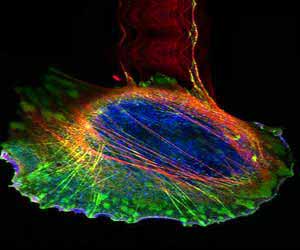
Everolimus Combined With R-CHOP Safe for Treating Diffuse Large B-Cell Lymphoma
The encouraging outcome, along with the worldwide availability of everolimus, make it potentially applicable to the large population of DLBCL patients.
The encouraging outcome, along with the worldwide availability of everolimus, make it potentially applicable to the large population of DLBCL patients.
TOP INSIGHT

The KTE-C19, an autologous chimeric antigen receptor (CAR) T cell therapy, resulted in promising clinical activity in patients with refractory primary mediastinal B-cell lymphoma and transformed follicular lymphoma.
The phase 1 portion of the ZUMA-1study revealed that KTE-C19 was tolerable and produced ongoing remissions in B-cell non-Hodgkin lymphoma patients (Locke et al, Abstr. 1048O, ESMO Congress 2016). The phase 2 portion of the study consists of two cohorts: cohort 1 for patients with chemo-refractory Diffuse Large B cell Lymphoma; and cohort 2 for patients with chemo-refractory primary mediastinal B-cell lymphoma or transformed follicular lymphoma.
As of June 16, six patients with refractory primary mediastinal B-cell lymphoma or transformed follicular lymphoma were treated in cohort 2 with KTE-C19. The patients were highly refractory to prior treatments and included three patients who were refractory to second-line or greater therapy and three patients who relapsed after autologous stem cell transplants.

New Drug Used to Treat Hodgkin Lymphoma Shows Hope
A study shows that an FDA-approved drug increased the survival rate of patients with Hodgkins lymphoma by 200% without any progression of the disease.
A study shows that an FDA-approved drug increased the survival rate of patients with Hodgkins lymphoma by 200% without any progression of the disease.
Source-Eurekalert
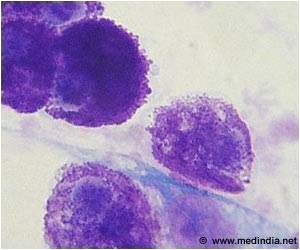
Genome Sequencing of Burkitt Lymphoma Reveals Unique Mutation: Duke Medicine News
Scientists identified 70 mutations, including several that had not previously been associated with cancer and a new one that was unique to the disease.
Scientists identified 70 mutations, including several that had not previously been associated with cancer and a new one that was unique to the disease.
Discovery Of New Key Element in Pathogenesis of Burkitt Lymphoma
Burkitt lymphoma is a malignant, fast-growing tumor that originates from a subtype of white blood cells called B lymphocytes of the immune system.
Burkitt lymphoma is a malignant, fast-growing tumor that originates from a subtype of white blood cells called B lymphocytes of the immune system.
 Email
Email