MEDINDIA
 English
 हिन्दी
 Español
 français
 中文
中文
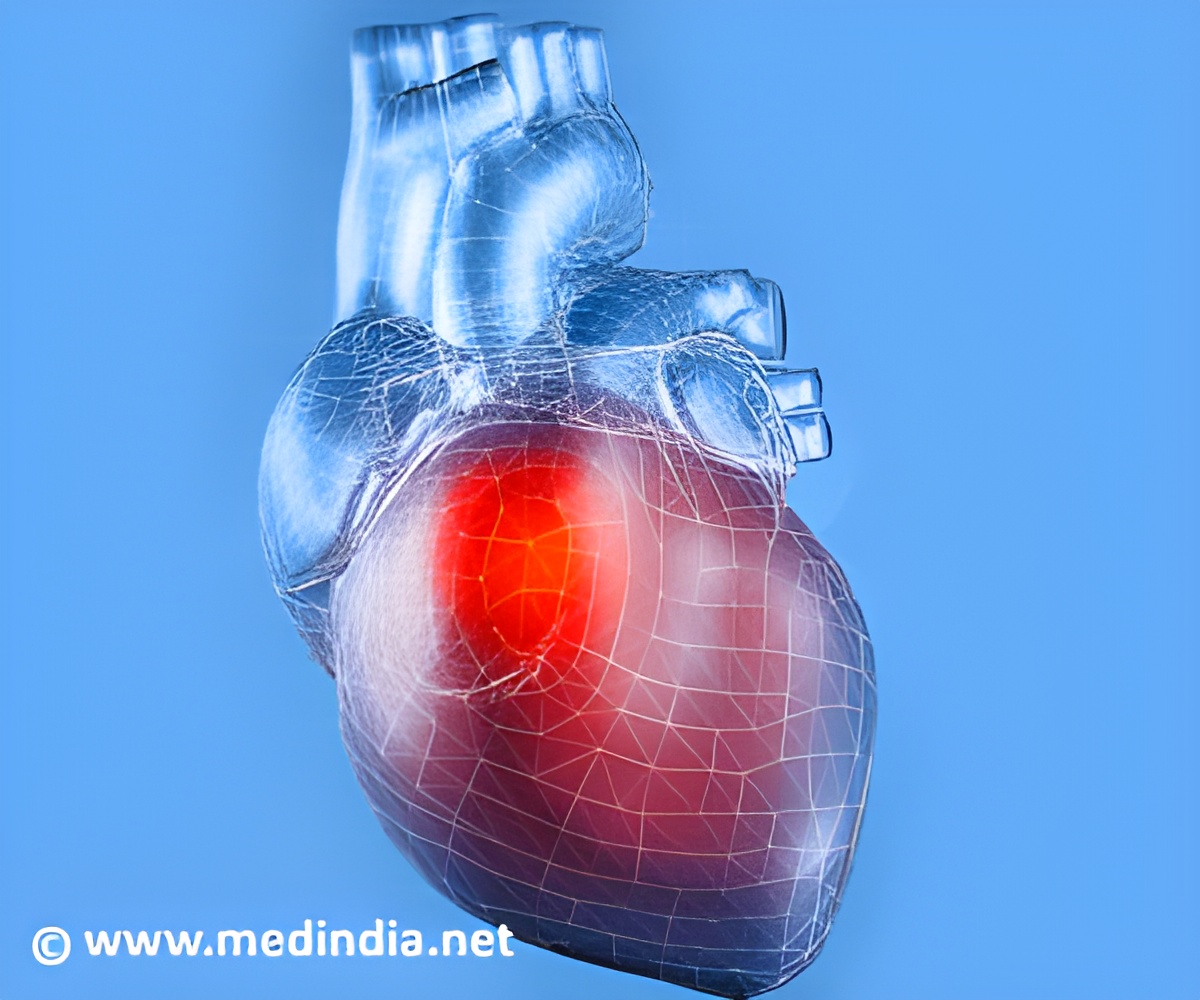
New study has identified TGFß signaling as a major cause of chronic vessel wall inflammation, and demonstrated that disruption of this pathway leads to cessation of inflammation.
Atherosclerosis - Causes, Symptoms, Prevention & Treatment
Atherosclerosis is a condition in which the arteries become hard and narrow, leading to restricted blood flow.
Atherosclerosis is a condition in which the arteries become hard and narrow, leading to restricted blood flow.
TOP INSIGHT

New study has identified TGFß signaling as a major cause of chronic vessel wall inflammation, and demonstrated that disruption of this pathway leads to cessation of inflammation and substantial regression of existing plaque.
Using cultured human cells, the researchers discovered that TGFβ proteins trigger inflammation in endothelial cells -- the cells that form the inner lining of artery walls -- but not in other cell types. With a technique called single cell RNA-seq analysis, which measures the expression of every gene in single cells, they then showed that TGFβ induced inflammation in these cells in mouse models. This finding was notable, said the researchers, because TGFβ proteins are known to decrease inflammation in other cells in the body.
The researchers also showed that when the TGFβ receptor gene is deleted in endothelial cells, both the inflammation and plaque in blood vessels are significantly reduced.
Potential Treatment Target for Atherosclerosis Identified
Protective mechanism against atherosclerosis has been discovered by a research team who finds that the receptor BAFF has anti-inflammatory properties which have a positive effect on plaque size and atherosclerosis risk.
Protective mechanism against atherosclerosis has been discovered by a research team who finds that the receptor BAFF has anti-inflammatory properties which have a positive effect on plaque size and atherosclerosis risk.
Based on this discovery, investigators at Yale and MIT have launched a biotech company, VasoRX, Inc., to develop this targeted approach, using the RNAi drug delivered by nanoparticles as a potential therapy for atherosclerosis in people.

Aortic Valve Disease may not be a Valvular Equivalent of Atherosclerosis
Differences between atherosclerosis and Calcific Aortic Valve Disease can be understood to target the diseases with drugs.
Differences between atherosclerosis and Calcific Aortic Valve Disease can be understood to target the diseases with drugs.
Could Diet Quality Predict Atherosclerosis in Intermediate Cardiovascular Risk Patients?
A recent study analyzed the association between carotid artery intima media thickness, presence of plaque and the carotid target organ damage (cTOD) with the diet quality.
A recent study analyzed the association between carotid artery intima media thickness, presence of plaque and the carotid target organ damage (cTOD) with the diet quality.
 Email
Email