MEDINDIA
 English
 हिन्दी
 Español
 français
 中文
中文
With fewer therapies available to treat multidrug-resistant organisms, innovative methods to prevent or eliminate gastrointestinal colonization are necessary.
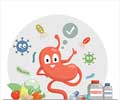
Probiotics - Support System for the Gut
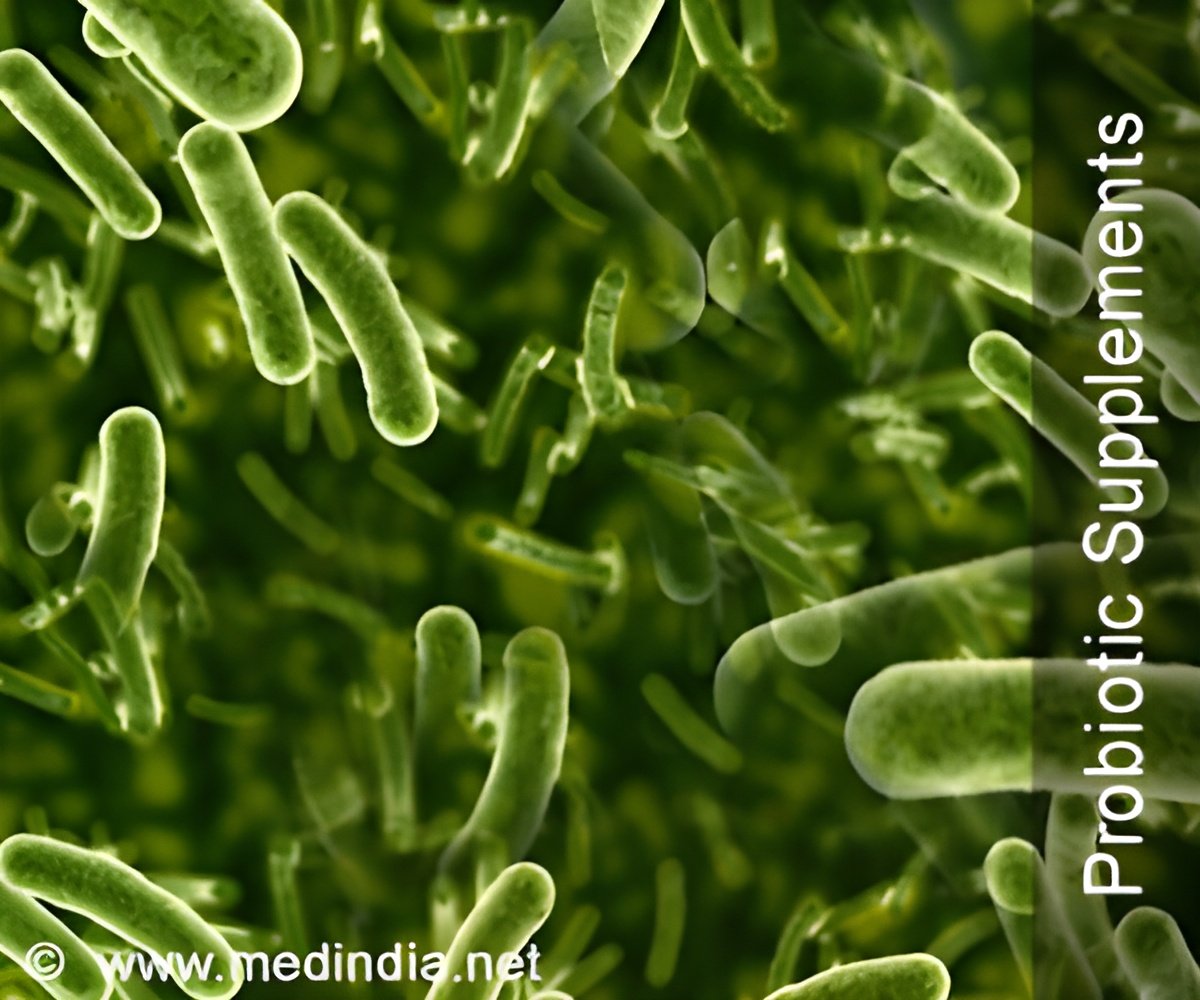
Probiotics are live microorganisms that resemble the “good bacteria” in our gut. Science is yet to fully explore the healing potential of probiotics; meanwhile some studies have ruled in their favor.
Probiotics are live microorganisms that resemble the “good bacteria” in our gut. Science is yet to fully explore the healing potential of probiotics; meanwhile some studies have ruled in their favor.
Study subjects were randomly assigned to receive probiotics and routine care or routine care alone. The researchers then monitored whether the microbes took up residence in the intestinal tract- a first step to developing a full-blown infection. The data suggested that the drug-resistant microbes colonized the intestinal tracts of 10% of patients in the probiotic group and 15% in the standard-care group - a difference that was not statistically significant.
Kwon said, "Although our findings suggest that probiotics do not help prevent gastrointestinal colonization with drug-resistant organisms in critically ill patients, further study is necessary in this field."

Yoghurt With Prebiotics and Probiotics for That Healthy Gut Flora
Prebiotics and probiotics may be useful in treating constipation.
Prebiotics and probiotics may be useful in treating constipation.
Source-IANS
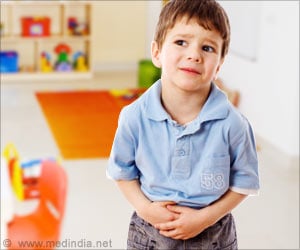
Probiotics Can Protect Pre-school Children from Infections
Daily probiotics may make pre-schoolers immune to respiratory infections and diarrhea finds study. The bacterial Lactobacillus reuteri DSM 17938 may be beneficial.
Daily probiotics may make pre-schoolers immune to respiratory infections and diarrhea finds study. The bacterial Lactobacillus reuteri DSM 17938 may be beneficial.

Probiotics Mixture Can Help Treat Pregnancy Related Constipation
Pregnant women can get rid of their problem of constipation through probiotics. Probiotics are the live micro-organisms that help and support the digestion of foods and prevent constipation.
Pregnant women can get rid of their problem of constipation through probiotics. Probiotics are the live micro-organisms that help and support the digestion of foods and prevent constipation.
 Email
Email