MEDINDIA
 English
 हिन्दी
 Español
 français
 中文
中文
Gastrointestinal disease prevalence rate increases according to climate factors, finds a new study.
Gastroenteritis / Stomach Flu - Causes Symptoms Diagnosis Treatment Prevention
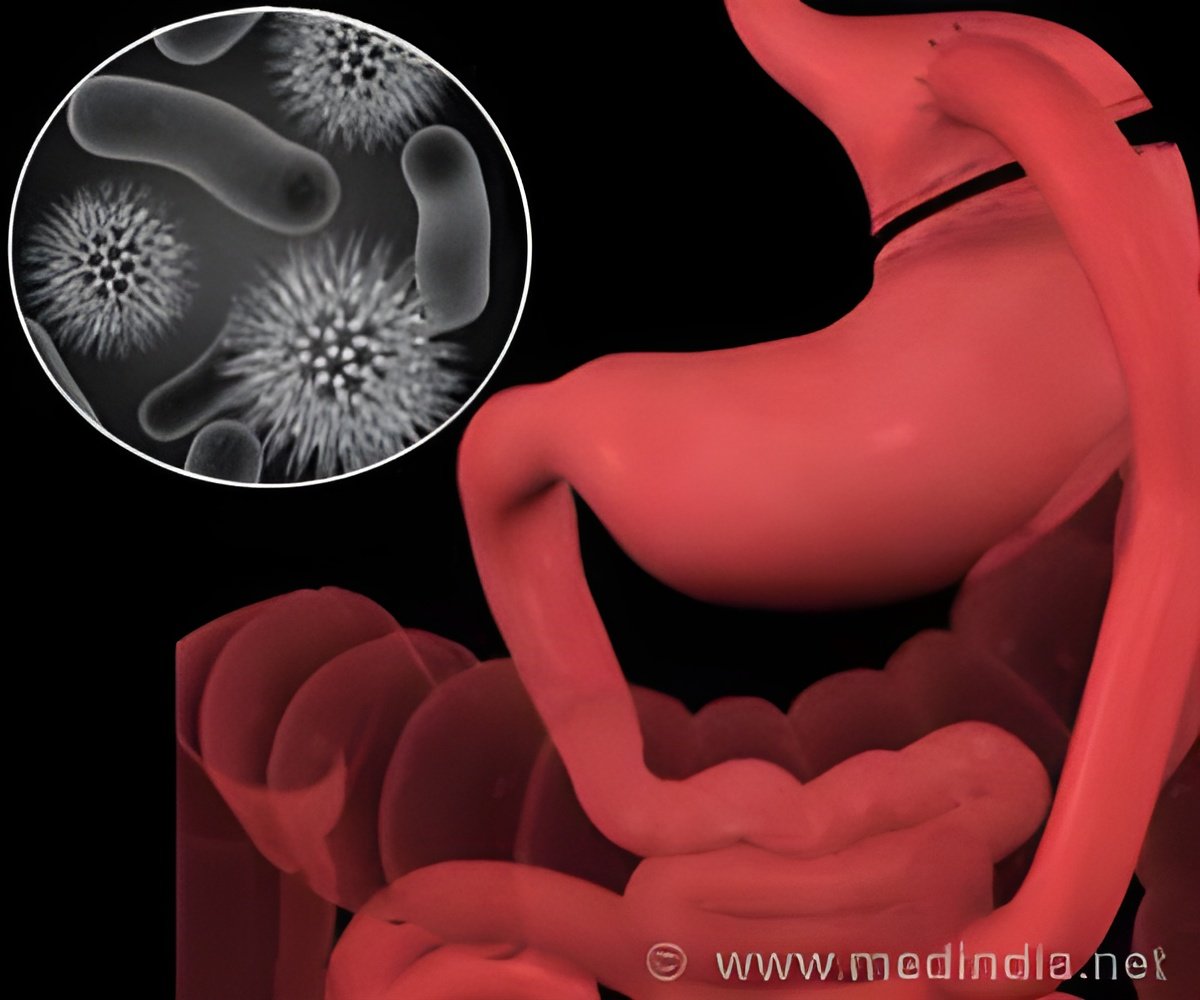
Gastroenteritis or Stomach Flu or Gastric flu is highly contagious and infectious inflammation of stomach, small and large intestines that causes diarrhea, vomiting, abdominal pain and abdominal cramps.
Gastroenteritis or Stomach Flu or Gastric flu is highly contagious and infectious inflammation of stomach, small and large intestines that causes diarrhea, vomiting, abdominal pain and abdominal cramps.
TOP INSIGHT

Climate factors are associated with an increase in the number of gastroenteritis-related hospital admissions.
Read More..
To date, few studies have addressed the association between climate factors- temperature and rain- and gastrointestinal disease incidence in high-income countries. In most cases, heat and heavy rainfall were associated with an increase in infections.
The aim of this study, published in Environment International, was to evaluate the association between meteorological variables and gastroenteritis hospitalizations in Spain - between 1997 and 2013, 275,182 cases were registered, with an average of 44 cases per day.

Norovirus - Symptoms - Signs - Causes - Diagnosis - Treatment - Prevention
Norovirus or winter vomiting bug, the virus that spoils your vacation, is the leading cause of food-borne disease and a major cause of food contamination.
Norovirus or winter vomiting bug, the virus that spoils your vacation, is the leading cause of food-borne disease and a major cause of food contamination.
The results indicate that "temperature plays an important role in the increase of hospital admissions due to gastroenteritis," explains Clara Morral Puigmal, first author of the study. In particular, the number of hospital admissions was lowest on days where the temperature was of 12°C. In contrast, hospital admissions increased by 7% on cold days (where the average temperature was of 6ºC) and by 21% on hot days with an average temperature of 26ºC.

Diluted Juice as Effective as Electrolyte For Treating Mild Gastroenteritis in Kids
Diluted juice works well for children with mild gastroenteritis who hate drinking electrolyte solutions after bouts of vomiting or diarrhea.
Diluted juice works well for children with mild gastroenteritis who hate drinking electrolyte solutions after bouts of vomiting or diarrhea.
The study also found that rainfall decreases the risk of gastroenteritis by 26%. "This effect was unexpected," says Basagaña, "and could be due to lower exposure to recreational waters during rainy periods."
Gastroenteritis Outbreaks in Daycare Centres
Children aged five and under and young adults aged between 17 and 34 have been the worst affected by the mysterious outbreak.
Children aged five and under and young adults aged between 17 and 34 have been the worst affected by the mysterious outbreak.
Xavier Basagaña concludes that these results are relevant in view of the climate changes we are experiencing, whereby extreme temperatures and climate events are becoming increasingly frequent.
Source-Eurekalert
 Email
Email