
Chronic Renal Failure - Symptoms, Diagnosis, Complications, Treatment, Prevention
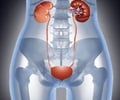
Chronic renal failure or chronic kidney disease is progressive loss in kidney function. The change is irreversible and is due to loss of nephrons of the kidney.
Chronic renal failure or chronic kidney disease is progressive loss in kidney function. The change is irreversible and is due to loss of nephrons of the kidney.
‘Medication and a diet low in phosphorus can help people who are suffering from kidney failure to lower the levels of FGF23 in their bodies.’
Read More..Tweet it Now
The build-up of this hormone causes troublesome effects on other organs. For instance, the cardiovascular system is affected by high levels of this hormone; the heart enlarges (this is known as hypertrophy), and this increases the risk of death. This led a research team made up of researchers from the University of Cordoba's Medical School, the GC13 and GC07 groups from the Maimonides Institute of Biomedical Research (the acronym is IMIBIC in Spanish) and the Nephrology Unit at the Queen Sofia University Hospital to focus on how to lower levels of FGF23.Read More..
After a clinical trial on 21 patients in dialysis treatment for forty weeks, they were able to prove that by following a diet with low phosphorus intake and taking medication based on phosphate binders, which prevent the body from absorbing it, the group of patients showed a correction of the high levels of phosphorus and produced a considerable decrease of the FGF23 hormone. Therefore, the effort of lowering phosphorus levels would also work to decrease the concentration of FGF23 and reduce the risks of circulation and heart problems.
Call it by its name

Dialysis - Hemodialysis, Peritoneal Dialysis and Role of Diet and Drugs
Dialysis is an artificial process for removing excess water and waste from the blood. Hemodialysis and peritoneal dialysis are the types of dialysis.
Dialysis is an artificial process for removing excess water and waste from the blood. Hemodialysis and peritoneal dialysis are the types of dialysis.
While phosphorus is responsible for more than 60% of the molecule values in both cases, for the intact hormone phosphorus and calcium in the blood are defining, and for the c-terminal, the time that the patient has undergone dialysis and inflammation are factors that increase its concentration.
Advertisement

Breathing Dirty Air may Lead to Kidney Failure
Breathing in unclean air due to increasing air pollution could cause kidney damage with resultant kidney failure according to a recent epidemiologic study.
Breathing in unclean air due to increasing air pollution could cause kidney damage with resultant kidney failure according to a recent epidemiologic study.
Source-Eurekalert
Kidney Failure due to Melamine Toxicity
Adulteration of food with melamine results in the formation of kidney stones and kidney failure, even leading to death.
Adulteration of food with melamine results in the formation of kidney stones and kidney failure, even leading to death.