MEDINDIA
 English
 हिन्दी
 Español
 français
 中文
中文
The blood-brain barrier is vital because it imposes strict control over the substances with which the brain's nerve cells come into contact.
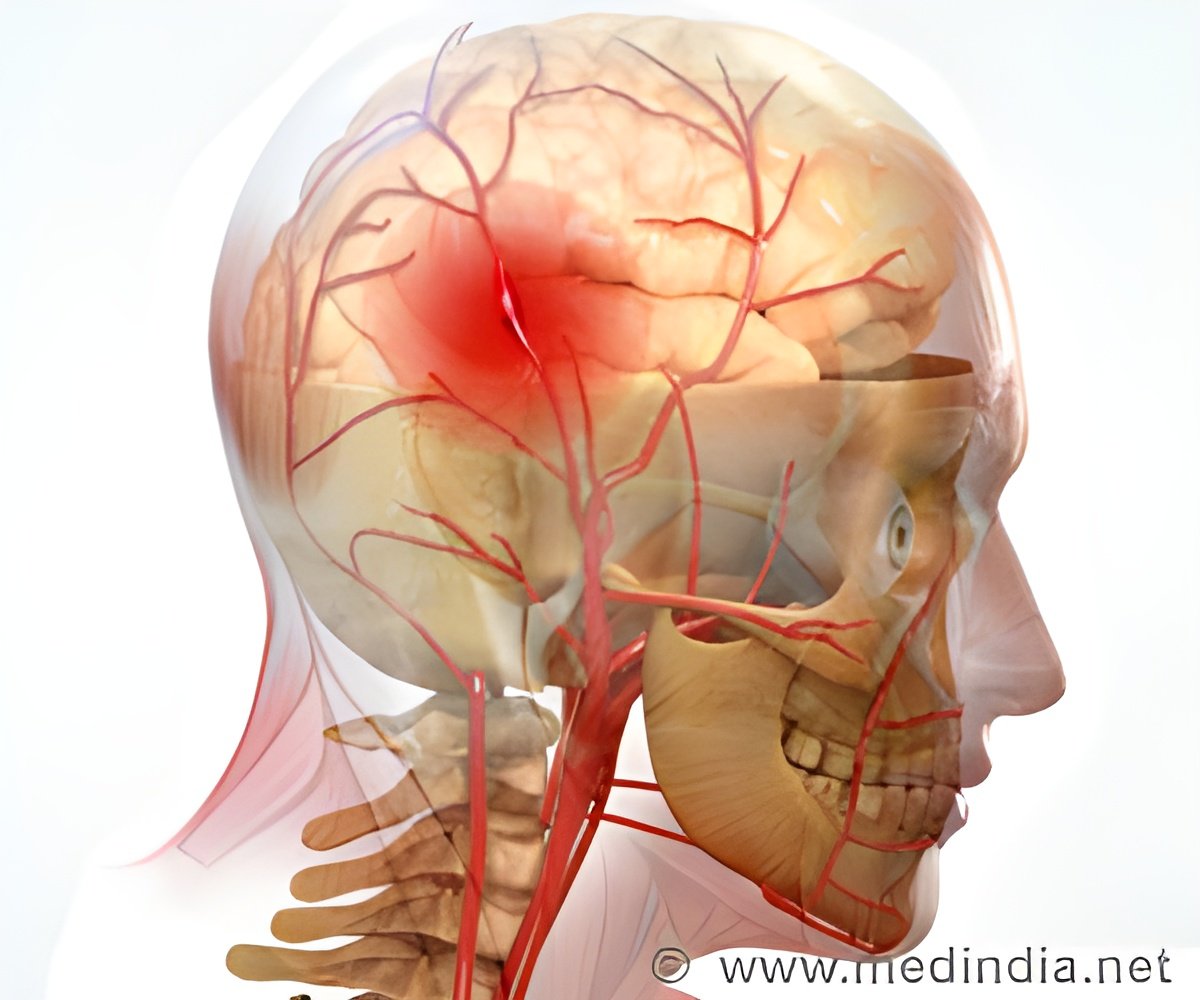
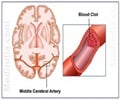
Stroke – Early Warning Signs - Risk Factor - Rehab - Treatment
Stroke can cause permanent disability and it is important to recognize its early warning signs to stop its progress. Early warning signs of stroke include sudden weakness of facial muscles.
Stroke can cause permanent disability and it is important to recognize its early warning signs to stop its progress. Early warning signs of stroke include sudden weakness of facial muscles.
Carlsson said, "It has a protective function that, if it fails, increases the risk of stroke and other complications. The research is now underway in collaboration with clinical geneticists to investigate the extent to which variations in the FoxF2 gene affect people’s risk of suffering a stroke."
The research is published in the Developmental Cell.
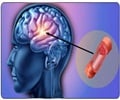
How to Deal with a Stroke - Signs - Symptoms - Risk Factors - Prevention
Stroke is a brain attack, which occurs when the blood supply to the brain is interrupted. It affects all age groups; according to the WHO, 15 million people are affected by stroke annually.
Stroke is a brain attack, which occurs when the blood supply to the brain is interrupted. It affects all age groups; according to the WHO, 15 million people are affected by stroke annually.

Cholesterol-Lowering Drugs Can Reduce Stroke Risk in Seniors
Taking cholesterol-lowering drugs such as statins and fibrates didn't lower the risk of vascular events, but it did lower the odds of a stroke and death from vascular events.
Taking cholesterol-lowering drugs such as statins and fibrates didn't lower the risk of vascular events, but it did lower the odds of a stroke and death from vascular events.
Stroke Survivors Need Emotional Support
About 152,000 individuals in England are affected by stroke annually. The repercussions of stroke include both physical disability and emotional stress.
About 152,000 individuals in England are affected by stroke annually. The repercussions of stroke include both physical disability and emotional stress.
 Email
Email