MEDINDIA
 English
 हिन्दी
 Español
 français
 中文
中文
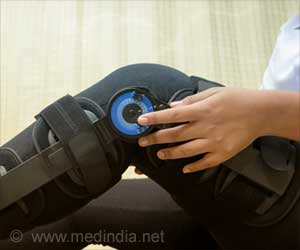
Current return to play measures after cruciate ligament (ACL) injury may not correctly assess young patients who are at risk for a future injury, recent research finds. The team emphasized that accurate assessment may lead to decreased risk of re-injury.
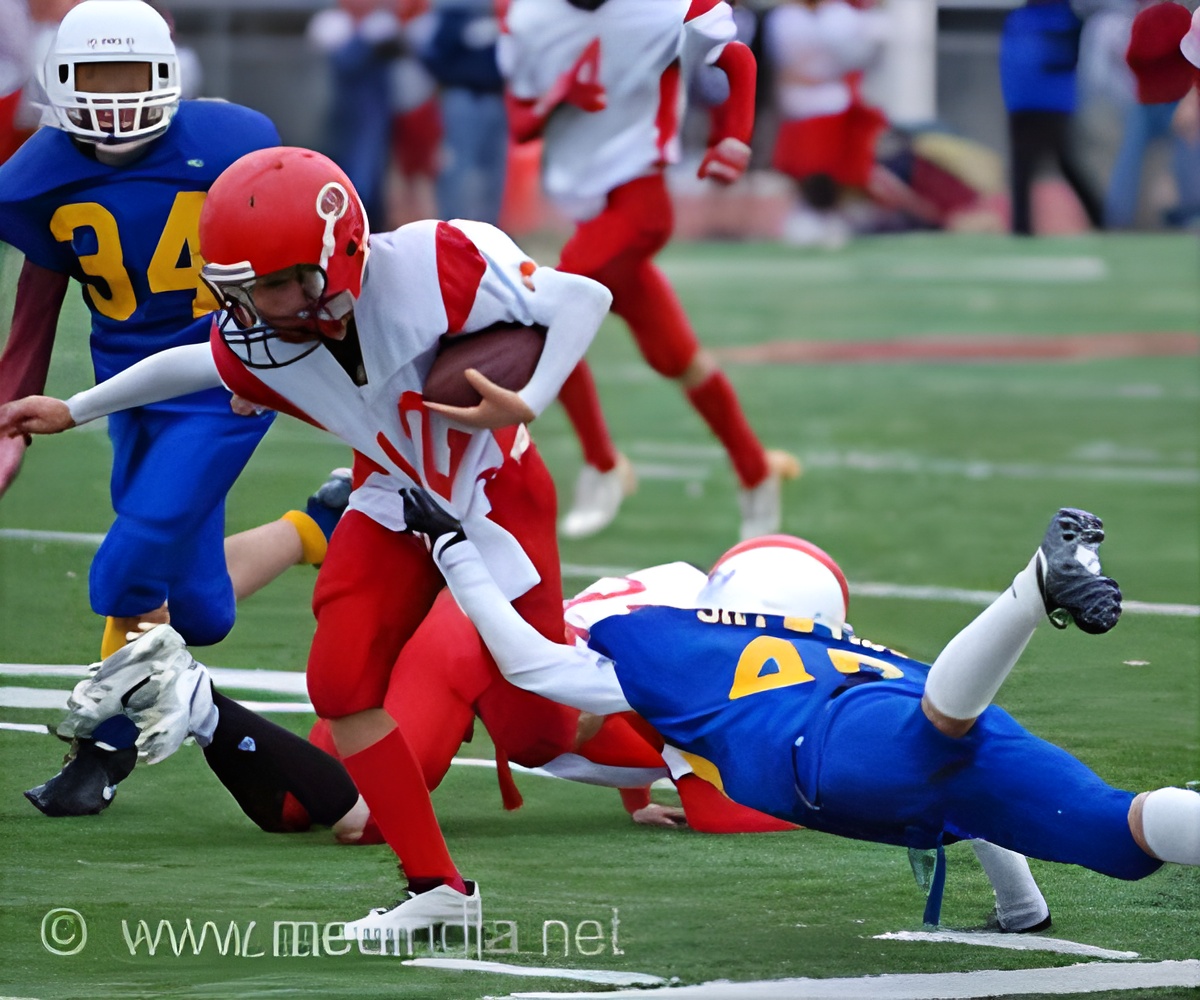

Injuries Related to Sports
Injuries are common in the sporting world. They can be minor like bruises and cuts, serious like fractures and sometimes fatal like head injuries.
Injuries are common in the sporting world. They can be minor like bruises and cuts, serious like fractures and sometimes fatal like head injuries.
TOP INSIGHT

Current return to play measures after cruciate ligament (ACL) injury may not correctly assess young patients who are at risk for a future injury – accurate assessment is needed to decrease risk of second injury.
"The findings of our study suggest that current return to play measures may not correctly assess young patients who are at risk for a future injury," said lead researcher, Mark Paterno, PhD, PT, MBA, ATC from the Cincinnati Children's Hospital Medical Center in Ohio. "Additional work needs to be undertaken that can better identify, validate and incorporate clinically important measurements such as functional hop testing, strength testing and patient reported outcome scores into injury prevention strategies."
Paterno and his team evaluated 159 individuals ranging in age from 13-25 years old. The participants all underwent a primary, unilateral ACL reconstruction, performed rehabilitation and were released to continue to play pivoting/cutting sports. At the time the patients returned to sports, only 26 percent of the individuals met the standard return to play criteria at a >90 criterion level, which is considered "passing." They were tracked for a reoccurrence of a 2nd ACL injury for 24 months. Within this 2-year time frame 35 patients suffered a 2nd ACL injury, 26 of the 35 occurred within the first 12 months after injury. Interestingly, there was no difference in second injury rates when comparing those who met all current return to sport criteria and those who failed to meet all return to sport criteria, suggesting the current criteria are not identifying young athletes at high risk for future injury.

Sports Medicine
Sports medicine is a branch of medicine dealing with the diagnosis and treatment of sports injuries that result from strenuous activity or exercise.
Sports medicine is a branch of medicine dealing with the diagnosis and treatment of sports injuries that result from strenuous activity or exercise.
Source-Eurekalert
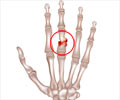
Fracture of Finger | Broken Finger - Types, Causes, Symptoms, Diagnosis, Treatment
Finger fracture or broken finger is a common but serious injury that disrupts the alignment of finger bones.
Finger fracture or broken finger is a common but serious injury that disrupts the alignment of finger bones.
 Email
Email