MEDINDIA
 English
 हिन्दी
 Español
 français
 中文
中文
Postnatal depression is a common disorder, affecting 10 to 20 percent of mothers, hence, interventions for mothers can improve parenting behaviors.
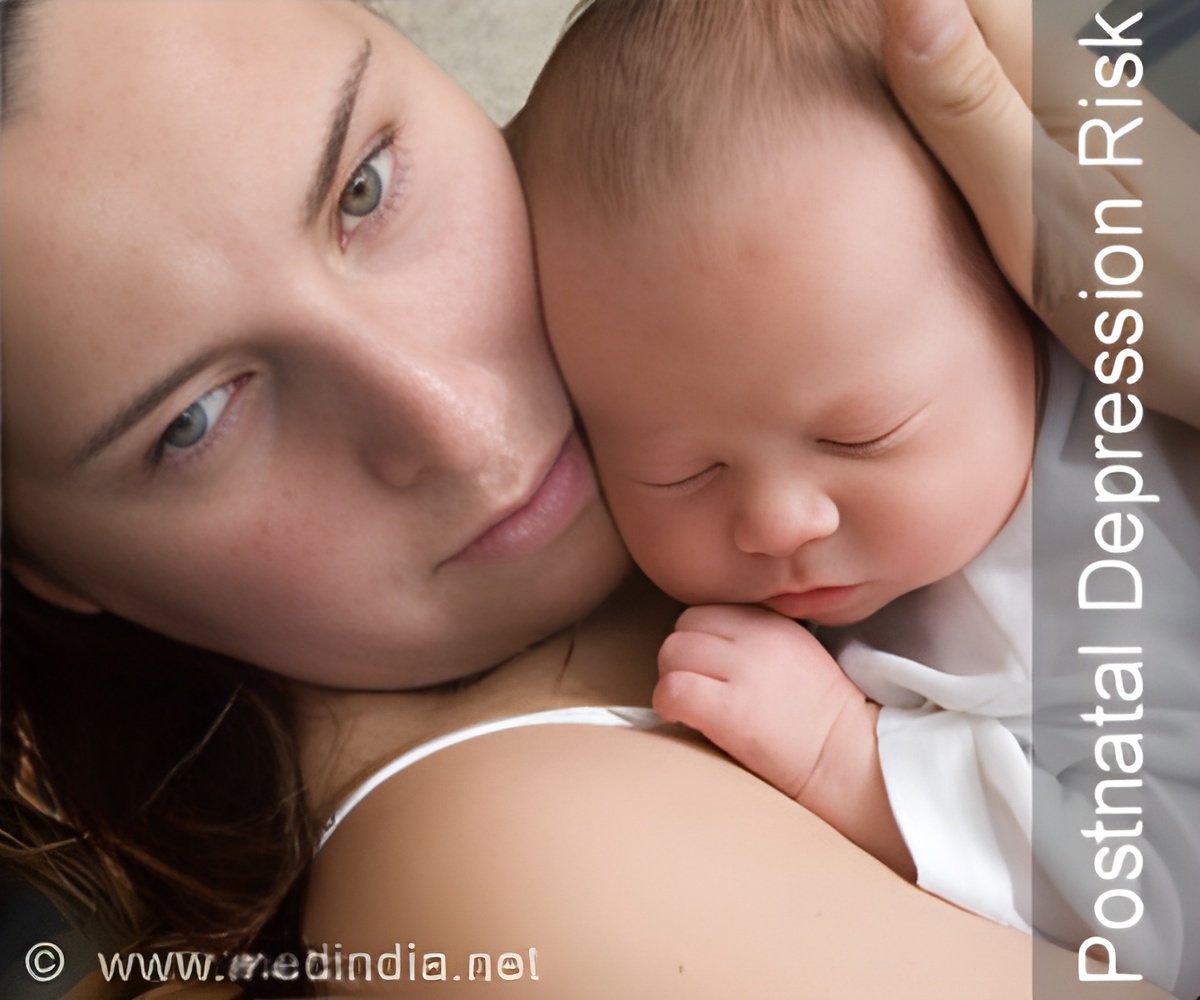

Peer Support for New Mothers With Postnatal Depression
Social support from peers may be effective to reduce postnatal depression, also known as postpartum depression in new mothers
Social support from peers may be effective to reduce postnatal depression, also known as postpartum depression in new mothers
TOP INSIGHT

Compared to nondepressed controls, mothers with postnatal depression interact with their infants less sensitively.
Oxytocin, Postnatal Depression, and Parenting: Research UpdatePostnatal depression is a common disorder, affecting 10 to 20 percent of mothers. Children cared for by mothers with postnatal depression are at risk of adverse outcomes, with increased rates of psychiatric disorders and developmental problems.
Postnatal depression is clearly linked to poorer parenting behaviors, based on the results of 33 studies. "Compared to nondepressed controls, mothers with PND interact with their infants less sensitively, report feeling less competent, and less often choose recommended practical parenting strategies," Dr. Mah writes.

Internet Therapy may Help Postnatal Depression, Say Researchers
Online therapy can effectively treat postnatal depression, say University of Exeter researchers.
Online therapy can effectively treat postnatal depression, say University of Exeter researchers.
Oxytocin -- a hormone that plays important roles in labor and breast-feeding -- also seems to have significant effects on parenting. In 13 studies, higher oxytocin levels were associated with parental behaviors likely to promote bonding. For example, mothers showed increased levels of oxytocin after affectionate contact with their infant. Some studies have suggested that parental behaviors may improve after treatment with oxytocin.

Keen to Help Other Women With Postnatal Depression Is Footy WAG Kylie Brown
After her own two year battle, footy WAG Kylie Brown wants to help other women through postnatal depression.
After her own two year battle, footy WAG Kylie Brown wants to help other women through postnatal depression.
The other two studies were randomized trials of oxytocin treatment: one in women with dysfunctional labor and one in women with postnatal depression. In both studies, depressive symptoms actually increased after treatment with oxytocin.
Blood Test May Help Predict Postnatal Depression Risk
A simple blood test could help identify women who are most likely to suffer from postnatal depression in advance.
A simple blood test could help identify women who are most likely to suffer from postnatal depression in advance.
She highlights priorities for future research -- including higher-quality data on how postnatal depression affects parenting and better tools for diagnosing postnatal depression, assessing parenting, and measuring oxytocin levels. Dr. Mah concludes, "Perhaps the most important challenge is to determine whether oxytocin could be used as an adjunctive treatment to improve mother-infant relationships that are affected by the mother's postnatal depression or other psychiatric conditions."
Source-Eurekalert
 Email
Email