MEDINDIA
 English
 हिन्दी
 Español
 français
 中文
中文
Plant-based burgers tend to have fewer calories than burgers made with animal-based meat, reveals a new study.


Plant Based Compound Improves Response to Dengue Vaccine: Study
Plant-based compound named halofuginone can improve the immune response to a potential vaccine against dengue virus.
Plant-based compound named halofuginone can improve the immune response to a potential vaccine against dengue virus.
TOP INSIGHT

New meat substitutes can be a great transition food for people who are looking to eat a more plant-based diet. The Plant-based burgers combine protein (soy, pea, bean, or brown rice), oils (coconut, sunflower or canola), and methylcellulose and food starch as binders.
To be clear, registered dietitians at Penn State Health favor eating whole foods over processed foods.
Today’s trendiest plant-based burgers differ from past offerings. Traditionally processed veggies, soy, or black bean burgers, which debuted in the 1970s, contain processed vegetables (mushrooms, carrots, peppers among them), protein (soy or black beans), rice, oats and corn oil. Many remain on the market today.

Eat Fiber from Many Sources, Plant Based and Fortified, to Maintain Good Health
A combination of naturally occurring and added fiber can increase the chances of achieving the health benefits of a high-fiber diet.
A combination of naturally occurring and added fiber can increase the chances of achieving the health benefits of a high-fiber diet.
“Overall, plant-based burgers tend to have fewer calories than burgers made with animal-based meat,” Thompson said.

WSU Researcher Identifies Over 40 Plant Based Compounds to Slow Down Cancer Spread
A Washington State University researcher revealed that he has identified more than 40 plant based compounds that could activate genes that can slow down the spread of cancer.
A Washington State University researcher revealed that he has identified more than 40 plant based compounds that could activate genes that can slow down the spread of cancer.
In addition, red meat production brings environmental concerns. “Many environmental agencies have concluded that animal agriculture for human consumption is one of the top, if not the number one contributor to human-caused climate change,” Thompson said.
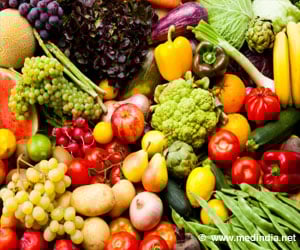
Financial Benefits of a Plant Based Mediterranean Diet Revealed
New research reveals that people who participated in a six-week cooking programme and chose from simple plant-based recipes, decreased their total food expenditure and purchased much healthier foods.
New research reveals that people who participated in a six-week cooking programme and chose from simple plant-based recipes, decreased their total food expenditure and purchased much healthier foods.
“They also may carry similar amounts of saturated fat. In fact, recent studies suggest that the coconut oil found in plant-based burgers have a similar impact on blood cholesterol levels as oils from animal-based products like butter,” Thompson said.
The newer plant-based burgers do contain small amounts of Genetically Modified Organisms (GMOs). These products are developed to withstand herbicides such as glyphosate, which is linked to certain types of cancer. “We don’t know the full health implications of GMOs because they are relatively new to our food supply, and it’s very difficult to research GMOs and their impact on health,” Veldheer said.
People with soy or coconut allergies should avoid the newer plant-based burgers since they often contain one or both ingredients. Some may also contain gluten. Some may also contain eggs or dairy, which means they are not vegan. “Always read the nutrition label,” Thompson said.
And while plant-based burgers are the new kid on the nutritional block, the healthiest food choice remains eating more whole foods, including fruits, vegetables, and whole grains. “The diets are proven to prevent disease – such as the Mediterranean diet or the DASH eating plan – stress whole foods,” Veldheer said. “The research in this area is pretty detailed. The more you choose whole foods over processed foods, the healthier your diet will be, which can lead to better health overall.”
Source-Newswise
 Email
Email