MEDINDIA
 English
 हिन्दी
 Español
 français
 中文
中文
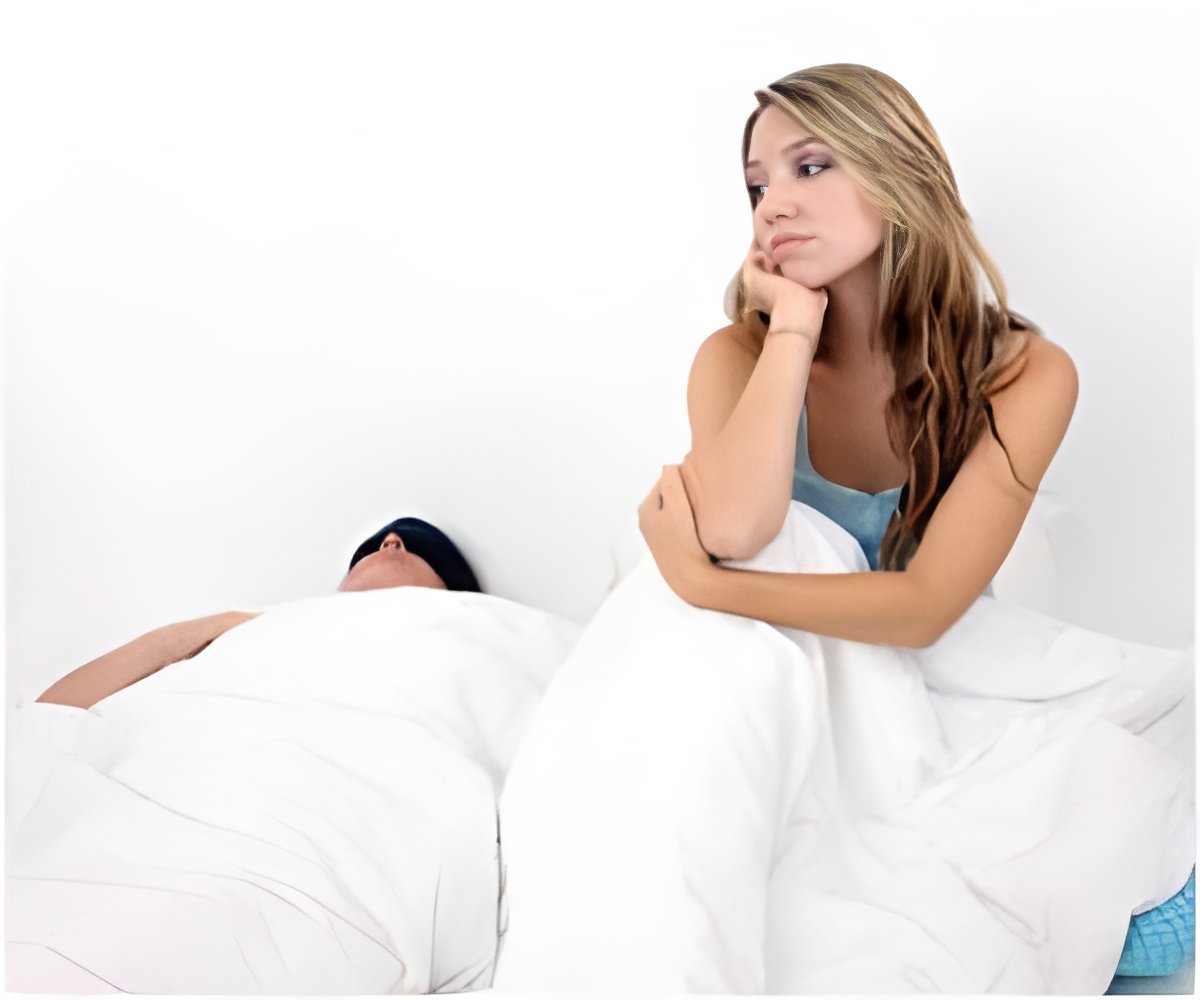
People who believe they resulted from unwanted or unplanned pregnancies tend to have more insecure relationship styles as adults.

Exercises, Massages and Relaxing Techniques for Pregnant Women
Pregnancy exercises are instrumental in carving a healthy pregnancy journey. Pregnancy massages can aid in relaxation and reduce discomfort.
Pregnancy exercises are instrumental in carving a healthy pregnancy journey. Pregnancy massages can aid in relaxation and reduce discomfort.
TOP INSIGHT

An insecure attachment style might assert itself in different ways within a close relationship.
In the initial study, almost 350 participants completed an online battery of measures, including adult attachment style, and questions regarding their birth status. Two-thirds were women from ages 18-68. Among participants, 56 reported believing they were unwanted babies, 174 reported they were unplanned, and the rest were neither (a control group).
After analysis of these measures and questionnaires, the researchers concluded, "being unwanted, and to a lesser extent unplanned, was associated with attachment insecurity (anxiety and avoidance).

Unwanted Pregnancy Adds to the Troubles of Women in War-Torn Lands
Violent conflict disrupts all aspects of society, including the delivery of the most basic reproductive health services: prenatal and maternal care, family planning,
Violent conflict disrupts all aspects of society, including the delivery of the most basic reproductive health services: prenatal and maternal care, family planning,
Gillath's co-authors were KU's Jessica Casebier and Melanie Canterberry, along with Gery Karantzas of Deakin University in Australia.

Real-time Study of Smartphone Fertility App Use Launched by Georgetown Institute
Dot&trade (Dynamic Optimal Timing&trade), a new smartphone app calculates a woman's chance for pregnancy on a daily basis.
Dot&trade (Dynamic Optimal Timing&trade), a new smartphone app calculates a woman's chance for pregnancy on a daily basis.
"Though we can't really change someone's birth status, we can simulate the process of revealing that you were unwanted or unplanned -- either because someone told you or you found out yourself," Gillath said. "We tried to create in a lab such a scenario. We asked people to imagine they found out they were unwanted or unplanned, then we measured state attachment, or how they felt at that moment. Even though they were only imagining something that may have happened 20, 30 or 40 years ago, doing that was strong enough to make people feel more insecure."
Pregnant US Women Sue Pharmaceutical Companies Over Mislabeled Birth Control Pills
More than 100 women in US who became pregnant after taking birth control pills that were mislabeled have filed suit, seeking millions of dollars in damages.
More than 100 women in US who became pregnant after taking birth control pills that were mislabeled have filed suit, seeking millions of dollars in damages.
"Having such life experiences of feeling unwanted or unplanned increases the chances that people will have concerns and worries regarding trust, closeness and dependence toward relationship partners," Gillath said. "Having this mental image is hanging like a cloud over their heads and may result with higher sensitivity to rejection. This may doom every new relationship to fail."
"It could mean that people can't last long in relationships, or they may experience low levels of intimacy and satisfaction," Gillath said. "Insecure people are more likely to engage in extramarital relationships, or be stuck in a vicious cycle of breaking up and getting back together again."
Gillath urged caution when informing a child or even an adult child of their birth status -- if it's unwanted or unplanned -- as this could have more serious outcomes than parents expect.
"We often tend to assume that whatever happened in the past isn't going to be as important at present and time heals everything -- people will simply go on with their lives," he said. "For this specific type of event, we found this isn't the case. This is something that lingers even as people grow up and become adults and is affecting current relationships in a negative way. If you tell your child, even as an adult, it may have consequences -- and you should try and figure out ways to provide support so that any negative effects of the information would be buffered."
Source-Eurekalert
 Email
Email