MEDINDIA
 English
 हिन्दी
 Español
 français
 中文
中文
The high levels of cardiovascular risk shown in the study indicate the urgent need for physical activity for those with severe mental illnesses.
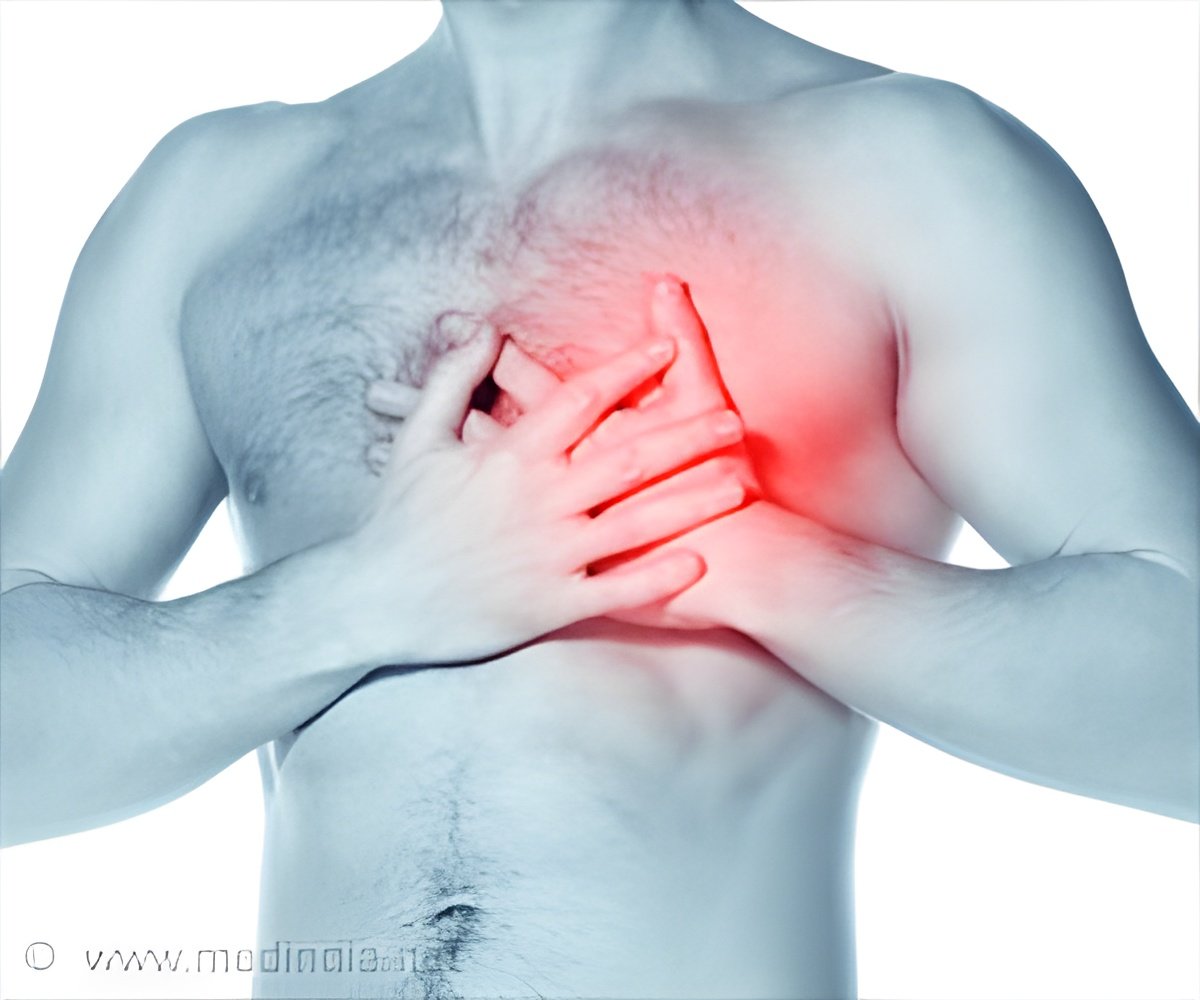
In the largest study of its kind in Britain, drawing on a sample of more than 400 outpatients with psychosis, the researchers found central obesity evident in over 80% of participants.
"While previous research has demonstrated that people gain weight on starting anti-psychotics, our study of people who have had psychosis for nearly 16 years on average found no difference in the rates of cardiovascular risk between the various different anti-psychotic medications," said senior author Fiona Gaughran from King’s College London.
The researchers found that 48% of the study participants were obese, with a body mass index (BMI) of 30 or more. Additionally, nearly all women and many men had a waist circumference above the International Diabetes Federation’s (IDF) threshold for central obesity.

Air travel: To fly or not to fly: Heart Disease - DVT - Pregnancy - Diabetes - Ear Aches
Air travel is for everyone, even those with medical conditions.
Air travel is for everyone, even those with medical conditions.
The majority of participants tested (57%) met the IDF’s criteria for metabolic syndrome, which is a cluster of biochemical and physiological abnormalities associated with the development of heart disease, stroke and Type-2 diabetes.
Congenital Heart Disease – Septal Defects
Heart diseases that are present at birth are called “ Congenital heart diseases”.
Heart diseases that are present at birth are called “ Congenital heart diseases”.
The study was published in the journal Psychological Medicine.

Diet, Lifestyle and Heart Disease
The correlation between diet, lifestyle and heart disease. The importance of balanced diet life style and exercise for controlling heart disease.
The correlation between diet, lifestyle and heart disease. The importance of balanced diet life style and exercise for controlling heart disease.
 Email
Email