MEDINDIA
 English
 हिन्दी
 Español
 français
 中文
中文
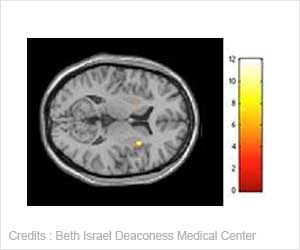
University of Cambridge researchers have discovered the part of the brain linked to gambling addictions. The findings of the study are published in PNAS .
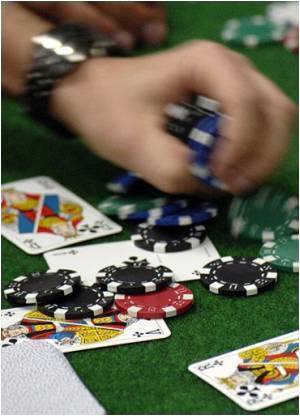
Pill to Cure Compulsive Gambling Addiction, Coming Soon
Scientists have successfully reduced behaviours in rats commonly associated with compulsive gambling in humans.
Scientists have successfully reduced behaviours in rats commonly associated with compulsive gambling in humans.
"While neuroimaging studies can tell us a great deal about the brain's response to complex events, it's only by studying patients with brain injury that we can see if a brain region is actually needed to perform a given task," said Dr Clark.
For the study, the researchers gave patients with injuries to specific parts of the brain (the ventromedial prefrontal cortex, the amygdala, or the insula) two different gambling tasks: a slot machine game that delivered wins and 'near-misses' (like a cherry one position from the jackpot line), and a roulette game involving red or black predictions, to elicit the gambler's fallacy. For the control groups, they also had patients with injuries to other parts of the brain as well as healthy participants undergo the gambling tasks.
Man Blames His Gay Sex, Gambling Addiction on Parkinson's Drug and French Court Upholds GSK Parkinson's Drug Ruling
A French appeals court Wednesday upheld a ruling ordering GlaxoSmithKline to pay 197,000 euros to a man who claimed that its drug to treat Parkinson's turned him into a gay, sex and gambling addict.
A French appeals court Wednesday upheld a ruling ordering GlaxoSmithKline to pay 197,000 euros to a man who claimed that its drug to treat Parkinson's turned him into a gay, sex and gambling addict.
Clark added: "Based on these results, we believe that the insula could be hyperactive in problem gamblers, making them more susceptible to these errors of thinking. Future treatments for gambling addiction could seek to reduce this hyperactivity, either by drugs or by psychological techniques like mindfulness therapies."

Sex, Gambling Addictions Side Effects of Parkinson's Drugs
Persons suffering from Parkinson's disease display obsessive behavior such as sex addiction and gambling addition because of the side effect of medication to treat Parkinson's.
Persons suffering from Parkinson's disease display obsessive behavior such as sex addiction and gambling addition because of the side effect of medication to treat Parkinson's.
Source-Eurekalert

Gambling Addiction can be Treated With Naltrexone
Naltrexone, an anti-heroine drug can help treating gambling addicts, according to guidelines issued by researchers at the Monash University.
Naltrexone, an anti-heroine drug can help treating gambling addicts, according to guidelines issued by researchers at the Monash University.
 Email
Email