MEDINDIA
 English
 हिन्दी
 Español
 français
 中文
中文
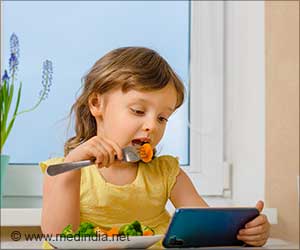
Kids are eating up to eight times the recommended serves for unhealthy foods and, that less than five per cent of Aussie kids eat the recommended daily amount of vegetables.
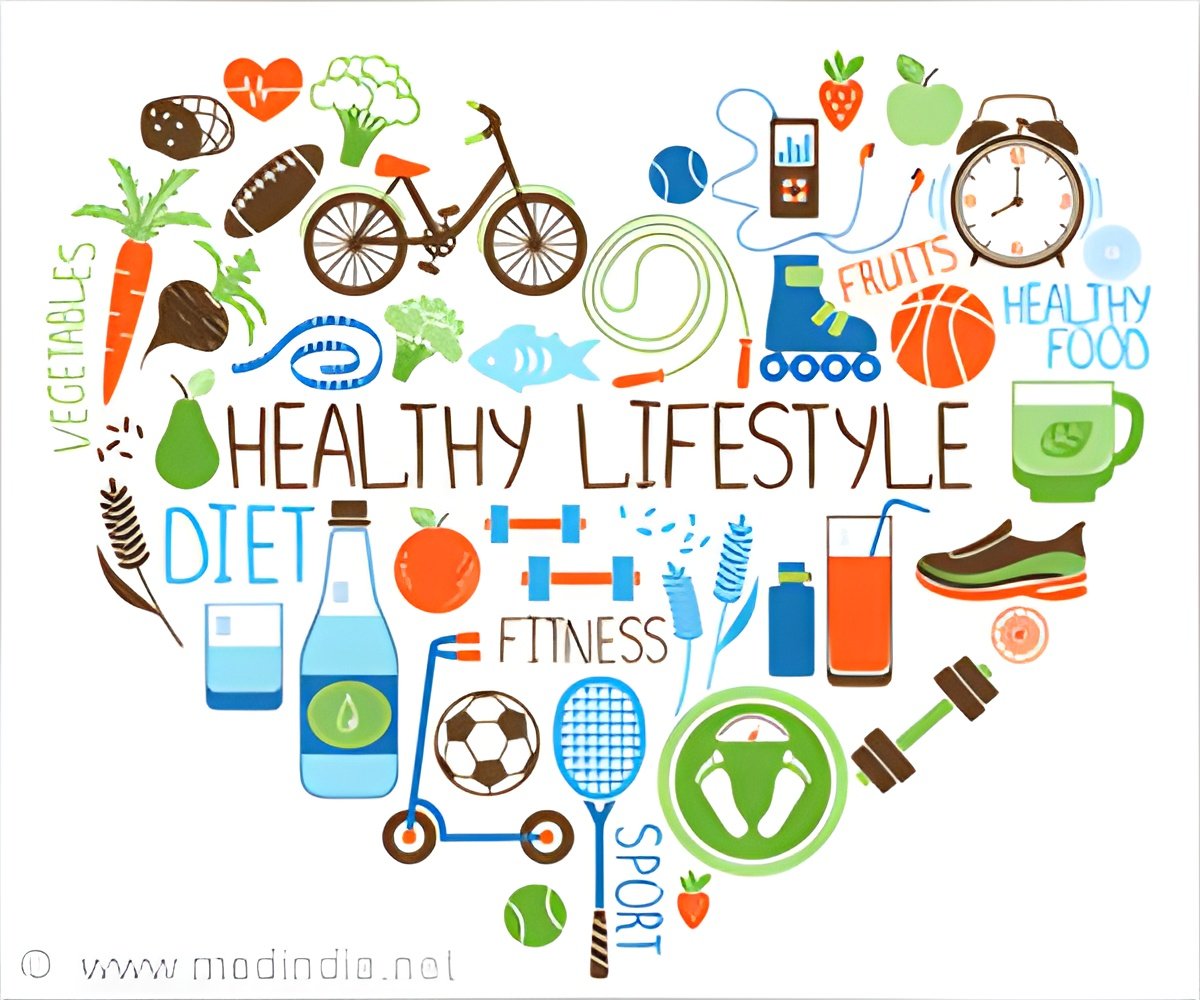

Healthy Eating Habits for Children and Teens
It is important to teach kids what is healthy eating and how to eat healthy. Healthy eating tips for kids must include creative recipes and presentations.
It is important to teach kids what is healthy eating and how to eat healthy. Healthy eating tips for kids must include creative recipes and presentations.
TOP INSIGHT

Finding the right balance between always and sometimes foods is a common challenge for parents, but with unhealthy foods comprising more than a third of the daily energy intake of four to eight-year old Australian children.
The imbalance of healthy to unhealthy foods in children’s diets is a serious problem that is contributing to the alarming rise in childhood obesity. Already, one in four Australian children (aged 2-17) are overweight, with global estimates currently at 340 million for children and adolescents (aged 5-19).
Johnson’s research assessed the motivations and behaviours of 495 parents (of three to seven-year-olds) finding that only 50 per cent of parents intend to cut back on their kids’ consumption of unhealthy foods. Johnson says this distinct knowledge-behaviour gap can be improved by boosting parents’ confidence, intention and planning.

Top Vegetables and Fruits for Healthy Diet
Include vegetables and fruits as part of your diet and improve your overall health.
Include vegetables and fruits as part of your diet and improve your overall health.
“This can be as simple as making a plan before you go to the supermarket, avoiding the confectionary aisle, and being mindful when selecting off-the-shelf school snacks which, while convenient and appealing, are typically jam-packed with fat, sugars, salt and little else. “To improve children’s diet quality and reduce the risk of chronic conditions we need novel, scalable and effective interventions.

Cooking Shows Boost Healthy Eating in Kids
Kids who watched a child-oriented cooking show featuring healthy food were 2.7 times more likely to make a healthy food choice than those who watched a different episode of the same show featuring unhealthy food.
Kids who watched a child-oriented cooking show featuring healthy food were 2.7 times more likely to make a healthy food choice than those who watched a different episode of the same show featuring unhealthy food.
“We can all help by making changes to reduce how many unhealthy foods we buy and consume. Only then will we start to see change.”

Giving Vegetables Taste-focused Names Encourage Healthy Eating
Taste-focused labeling encourages people to eat healthy. For example, 'twisted citrus glazed carrots' work as it highlights the flavor, while 'absolutely awesome zucchini' fails as it is too vague.
Taste-focused labeling encourages people to eat healthy. For example, 'twisted citrus glazed carrots' work as it highlights the flavor, while 'absolutely awesome zucchini' fails as it is too vague.
 Email
Email