MEDINDIA
 English
 हिन्दी
 Español
 français
 中文
中文
Food products produced by the top 10 food and beverage companies were evaluated over a period of four years and finds that the policy action should be taken to support consumers to eat more healthily.

HFCS in Food Products Does Not Lead to Obesity: An American Study
Replacing sugar with high fructose corn syrup (HFCS) does not lead to obesity and both are okay up to 20 percent levels of total energy intake in a low calorie diet.
Replacing sugar with high fructose corn syrup (HFCS) does not lead to obesity and both are okay up to 20 percent levels of total energy intake in a low calorie diet.
TOP INSIGHT

Food products produced by the top 10 food and beverage companies were evaluated over a period of four years and finds that the policy action should be taken to support consumers to eat more healthily.
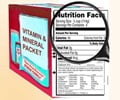
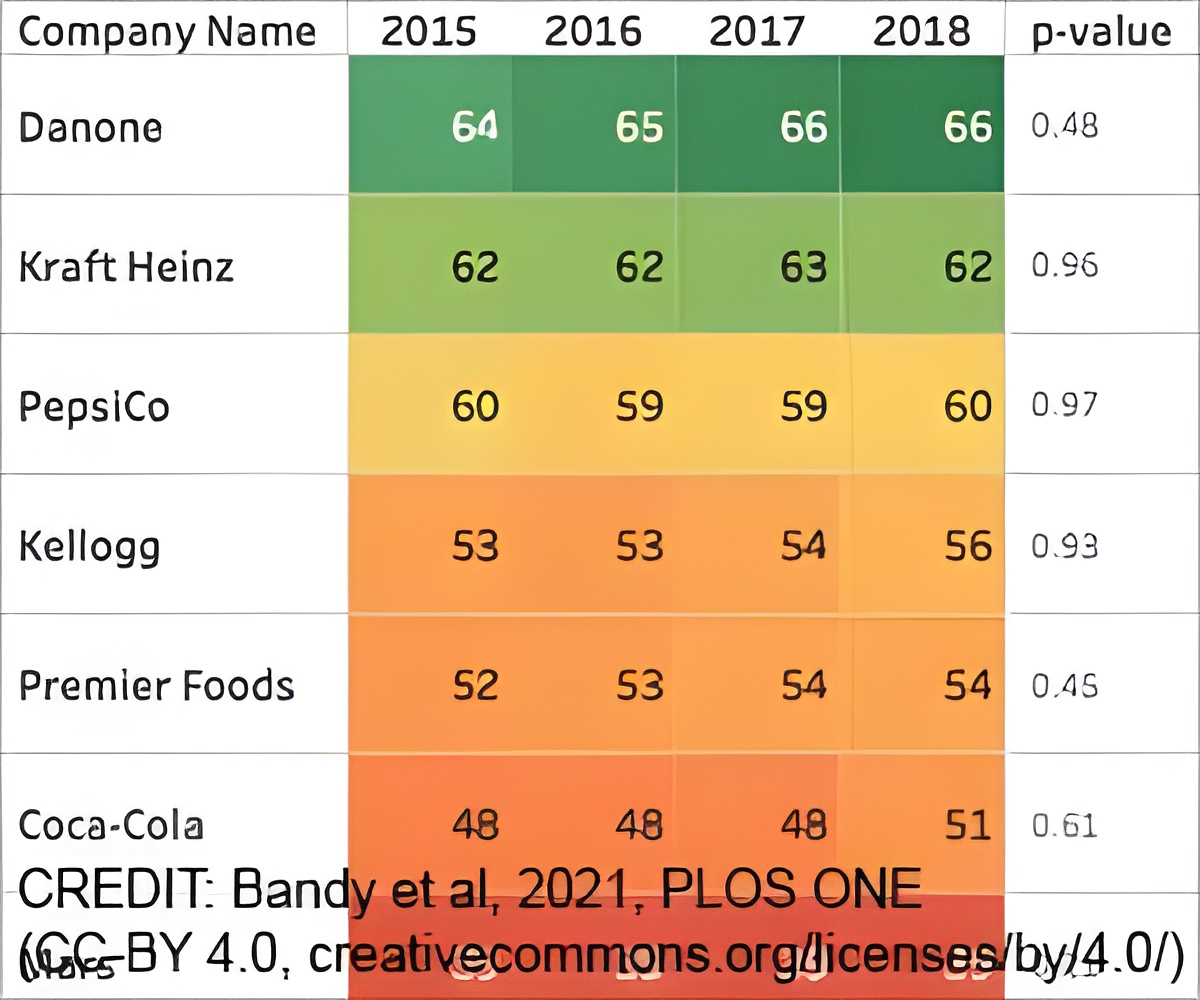
Dr. Lauren Bandy and colleagues at the University of Oxford's Nuffield Department of Population Health wanted to assess how the nutritional quality of products changed over time. They identified the top ten UK food and drink manufacturers and their brands and used an established nutrient profile model to look at the nutrient composition data for each item for four consecutive years—2015, 16, 17 and 18.
They found no change in the nutrient profiling score of products over time, though one company, Kelloggs, showed a small overall improvement, driven by reducing sugar in two products: Coco-pops and Special K.
West Bengal Government Sends Maggi Noodles, Other Food Products for Testing
Samples of Maggi noodles and some other food items have been collected from West Bengal and sent to the industrial testing laboratory National Test House.
Samples of Maggi noodles and some other food items have been collected from West Bengal and sent to the industrial testing laboratory National Test House.
This is likely because of reductions in the sugar content of some soft drinks, following an industry levy introduced in 2018. Of the top five brands sold by each of the ten companies only six improved their nutritional score by 20 percent or more.
New Study to Verify Low Glycemic Index of Food Products
National Agri-Food Biotechnology Institute (NABI) and the Postgraduate Institute of Medical Education and Research (PGIMER) are going to conduct a six-month study on food products to validate low glycemic index of products and understand its effects.
National Agri-Food Biotechnology Institute (NABI) and the Postgraduate Institute of Medical Education and Research (PGIMER) are going to conduct a six-month study on food products to validate low glycemic index of products and understand its effects.
"Our study shows it is possible to monitor the overall healthiness of company product portfolios and chart changes over time. We saw little evidence that the recommended current targets have made a significant difference and we believe that without more policy action and a transparent monitoring and evaluation system, it is unlikely there will be meaningful change."

Telangana Food Authorities Order Re-Testing of KFC Food Products
Tests on food samples collected from five Kentucky Fried Chicken (KFC) outlets in Hyderabad had showed the presence of E. coli and Salmonella bacteria
Tests on food samples collected from five Kentucky Fried Chicken (KFC) outlets in Hyderabad had showed the presence of E. coli and Salmonella bacteria
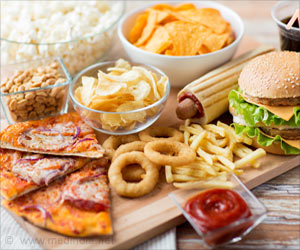
Our study shows that so far, not much has been done to improve the healthiness of household brands owned by top companies, with the exception of soft drinks, which are subject to a tax that has encouraged lower sugar levels.
The current focus on voluntary, single-nutrient reformulation targets might want to be reconsidered by policy makers."
Source-Eurekalert
 Email
Email