MEDINDIA
 English
 हिन्दी
 Español
 français
 中文
中文
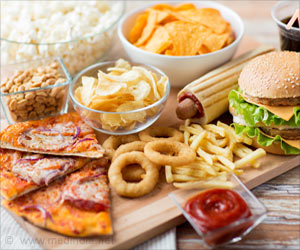
Manipulation of food product order or proximity can influence food choice, and that healthy food nudging seems promising to improve the dietary habits.

New Smart Glove from Penn State Helps Shop Blind People at Grocery Stores
The glove consists of a camera and vibration motors, which can actually guide the wearer to the exact item being searched for.
The glove consists of a camera and vibration motors, which can actually guide the wearer to the exact item being searched for.
TOP INSIGHT

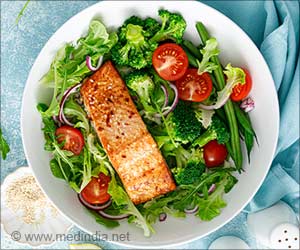
Nudging healthier food choices by changing the position of the food in buffets and supermarkets contribute to improving eating habits.
Nudging or "choice architecture" refers to strategic changes in the environment that are anticipated to alter people's behavior in a predictable way, without forbidding any options or significantly changing their economic incentives.However, until now the scientific evidence of nudging towards healthier eating has been scarce.
"The food service operators and the retail sector have been using the principles of nudging to push its products to the consumers e.g. placing specific products at adult's eye level, while other products are left at children's eye level. The question is whether we can also use this simple and low-cost method to move people's food behavior in a more healthy direction, or to facilitate the choice of healthier options" said Perez-Cueto.
Asking for Grocery Delivery Service can Save Environment
Requesting home delivery service for your grocery items can benefit the environment as it can reduce carbon dioxide emissions by as much as half compared to making individual trips to the store.
Requesting home delivery service for your grocery items can benefit the environment as it can reduce carbon dioxide emissions by as much as half compared to making individual trips to the store.
"Some can start by eating more vegetables. Some will go from zero to one portion a day, and it will contribute in the long run. Those are studies from the medical world that inspire the idea of small changes having an impact in public health, so how can you translate that knowledge into practical food service? Based on the review we suggest that a way ahead contributing to achieving public health goals through the food service sector is e.g. by making changes in the placement of the products we want to promote, like vegetables by putting them first in line. Likewise, by making it a little bit more difficult to reach the products that should be consumed in moderation or that should be strictly limited to some products of animal origin or highly processed foods," noted Perez-Cueto.

Health and Grocery Shopping
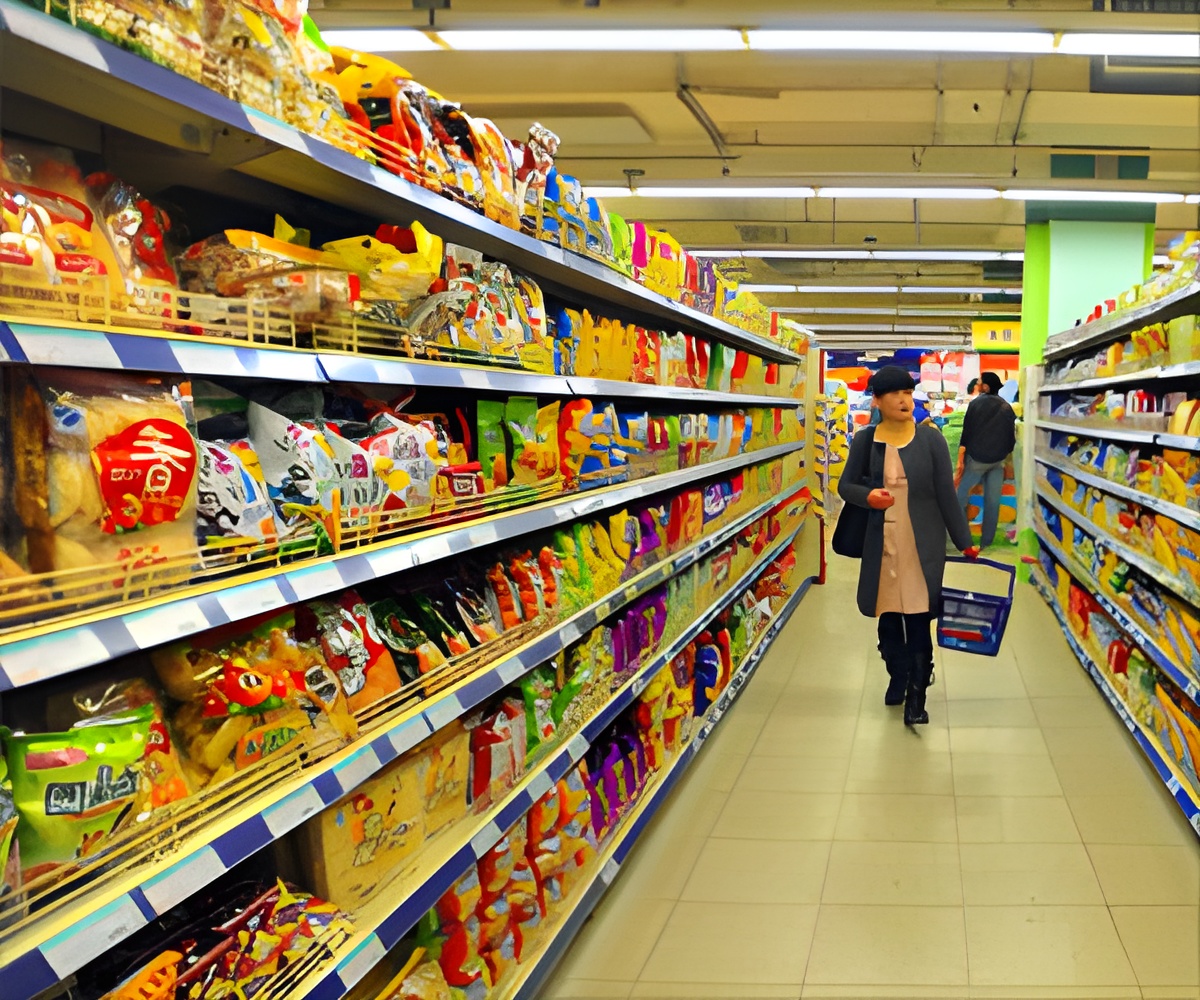
Grocery shopping can be a stressful task as consumers are advised not to shop on the periphery, but look deep into the isles.
Grocery shopping can be a stressful task as consumers are advised not to shop on the periphery, but look deep into the isles.
The review also concluded that there is a need for high-quality studies that quantify the magnitude of positional effects on food choice in conjunction with measuring the impact on food intake, particularly in the longer term.

Simple Nutritional Labels Help Make Healthier Choices In Grocery Stores
To increase the purchase of healthier food, the Nutritional Value (NuVal) system takes all the nutritional information available on the food label and summarizes it into one score.
To increase the purchase of healthier food, the Nutritional Value (NuVal) system takes all the nutritional information available on the food label and summarizes it into one score.
The study appears in journal British Journal of Nutrition.
Source-ANI
 Email
Email