MEDINDIA
 English
 हिन्दी
 Español
 français
 中文
中文
Patients who had eye pressure adjusted after cataract surgery with a tonometer were 2.5 to four times less likely to develop complications.
TOP INSIGHT

Patients who had eye pressure adjusted after cataract surgery with a tonometer were 2.5 to four times less likely to develop complications.
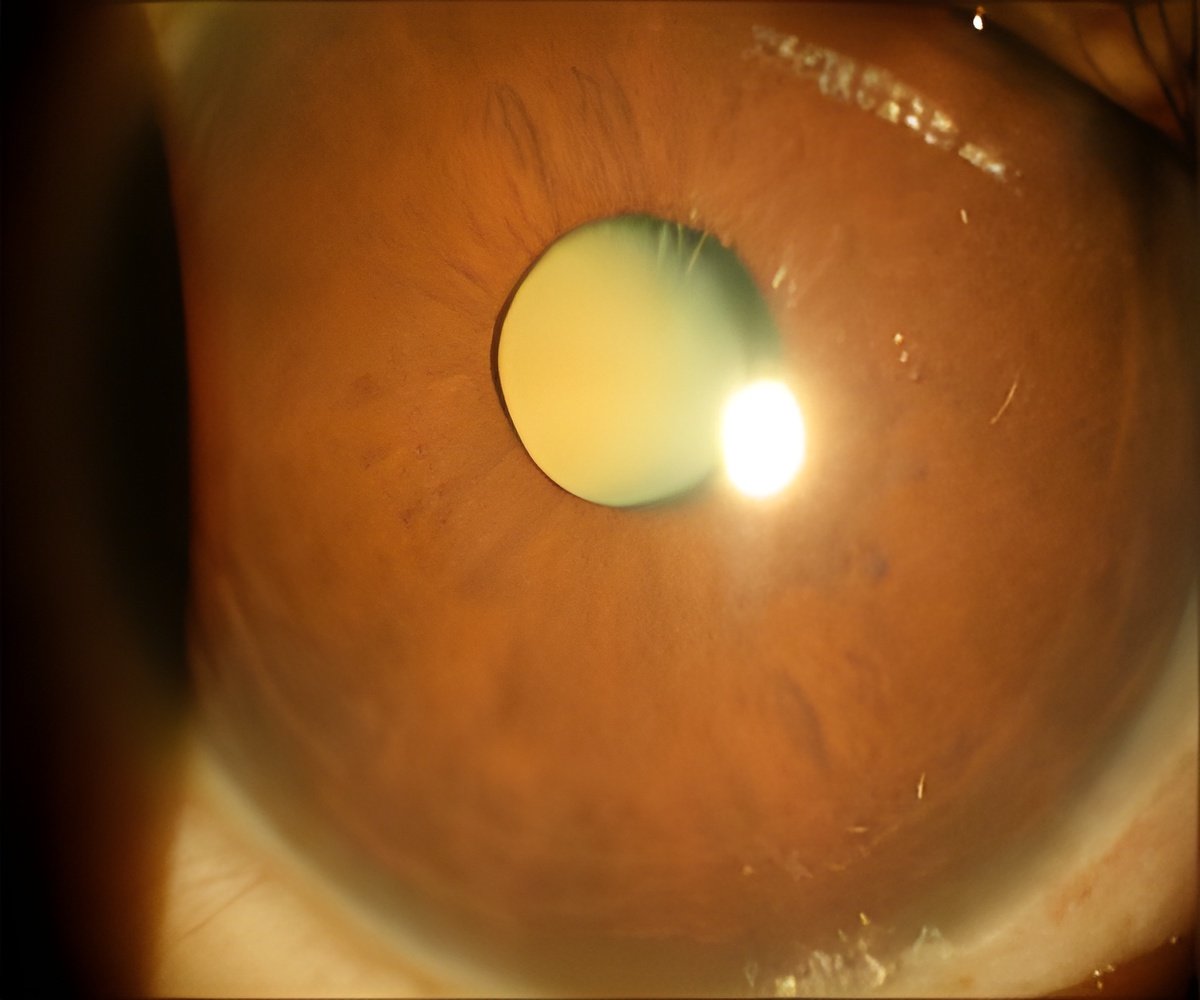
An electronic eye pressure monitoring device known as a tonometer often is used in a clinical setting to determine eye pressure, but the device rarely is used in a surgical setting. The researchers studied 170 patients who had eye pressure adjusted after cataract surgery with a tonometer and found that patients were 2.5 to four times less likely to develop cystoid macular edema - cyst-like pockets of fluid in the macula of the eye.
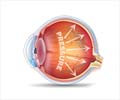
According to Jarstad, normal eye pressure should be between 16 and 21 mmHg, or millimeters of mercury. In most cases, a high eye pressure will resolve itself in a matter of days without issue, but in cases in which the pressure is significantly high, a person can experience symptoms of nausea and pain above the eyebrow. In these cases, it's important that the pressure be adjusted to prevent permanent damage to the eye.
Cataract - Causes, Symptoms, Diagnosis, Treatment & Prevention
A cataract is cloudiness in the crystalline lens of the eye that results in a gradually progressive painless diminution of vision.
A cataract is cloudiness in the crystalline lens of the eye that results in a gradually progressive painless diminution of vision.
"Seeing patients who had gone blind because of high eye pressure convinced me that there needed to be a better, more accurate gauge," Jarstad said. "I recommend eye surgeons adopt this practice for the good of their patients. There is no additional cost to patients, and if it saves just one patient from going blind, it would be well worth every doctor using it in his or her surgical practice."

7 Complain Of Vision Loss After Cataract Surgery In Gujarat
Seven persons have complained loss of vision in one eye; four others have developed complications like irritation and blurring vision.
Seven persons have complained loss of vision in one eye; four others have developed complications like irritation and blurring vision.
Sight-saving Treatment to Protect Eyes from Cataract, Coming Soon
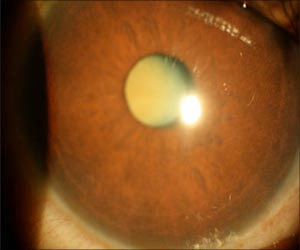
Molecular mechanism that leads to cataract has been identified by scientists.
Molecular mechanism that leads to cataract has been identified by scientists.
 Email
Email