MEDINDIA
 English
 हिन्दी
 Español
 français
 中文
中文
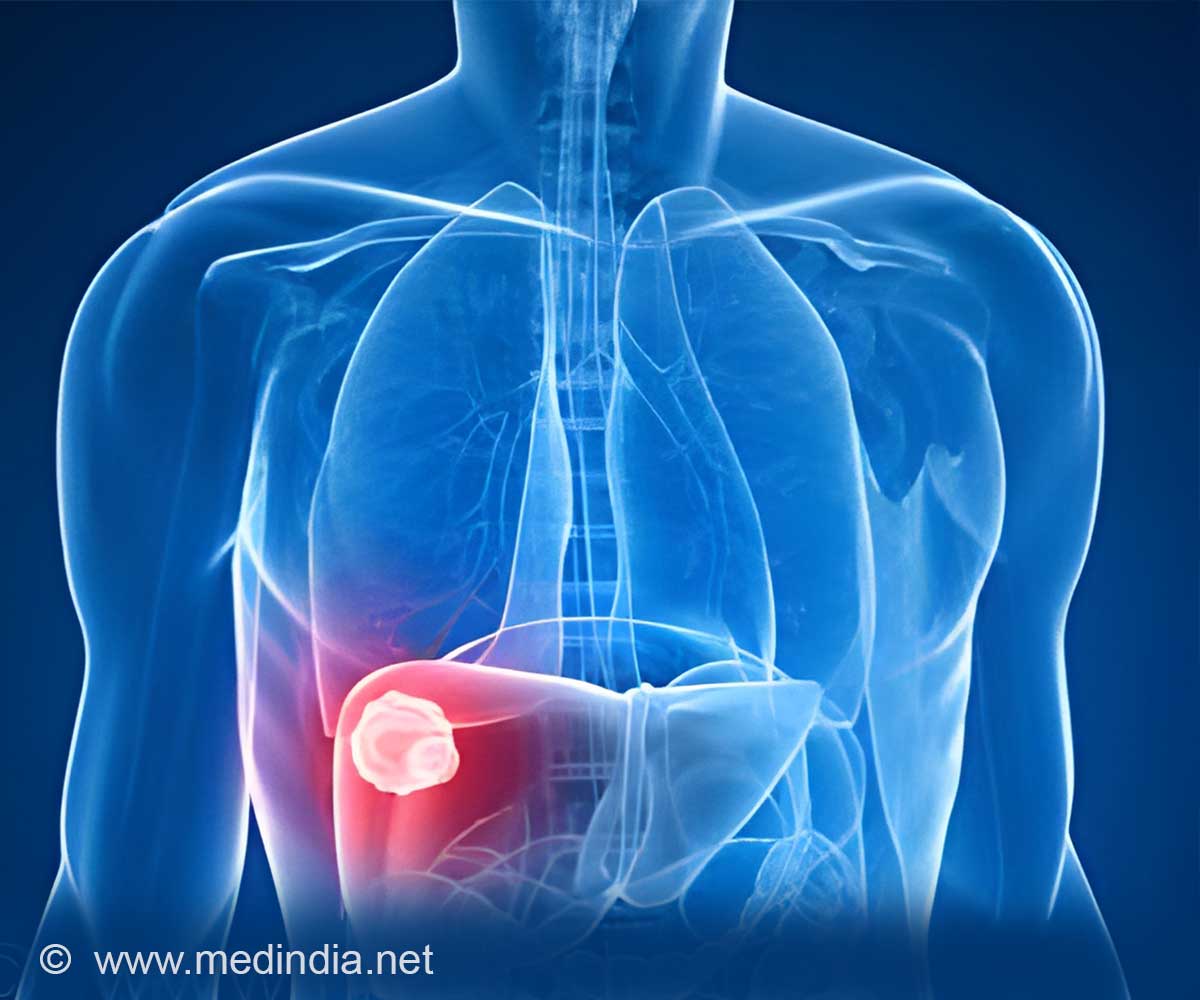
Pediatric liver cancer, a liver cancer that is seen more commonly in adults. Therefore, more accurate diagnoses aids in effective treatment with better outcomes.
Steroids Ineffective and Possibly Harmful in Pediatric Liver Disease
Treating infants with high doses of steroids fails to improve medical outcomes in the end-stage pediatric liver disease biliary atresia, says a new study.
Treating infants with high doses of steroids fails to improve medical outcomes in the end-stage pediatric liver disease biliary atresia, says a new study.
TOP INSIGHT

Better outcomes in pediatric liver disease patients can be achieved by diagnosing accurately and with more effective treatment.
The researchers analyzed 11 patients (ages four to 15) with liver cancer, originally seen from 2000-2016, all of whom received HB-targeted chemotherapy and complete surgical resection.
HEMNOS had been thought to have a very poor prognosis, an impression created by the single previous case series on this topic. However, all of the CHLA patients survived and achieved remission, despite being considered high risk.
Key Cause of Kid�s Severe Liver Disease Meets Its Feasible Treatment Target
Astonishing discovery of a new molecular signature for a caustic and often fatal paediatric liver disease could direct to a novel therapeutic target for the hard-to-treat condition.
Astonishing discovery of a new molecular signature for a caustic and often fatal paediatric liver disease could direct to a novel therapeutic target for the hard-to-treat condition.
"Without such a clear definition of the tumor, patients may be treated inappropriately."

Fresh Lease of Life for Liver Cancer Patients With New Drug Delivery System
A drug delivery system consisting of microscopic cubes may help to deliver an anticancer drug specifically to liver cancer cells.
A drug delivery system consisting of microscopic cubes may help to deliver an anticancer drug specifically to liver cancer cells.
"No matter what their original diagnosis, each patient benefited when HEMNOS was treated like hepatoblastoma," said Shengmei Zhou, MD, a pediatric pathologist at CHLA and lead author on the study.

At Least 1 Cup Of Coffee a Day Might Keep Liver Cancer Away
Decaffeinated coffee are associated with reduced risk of liver cancer, including pre-existing liver disease.
Decaffeinated coffee are associated with reduced risk of liver cancer, including pre-existing liver disease.
In their next step, the researchers plan to study the genomic difference of the HEMNOS tumor compared to classic hepatoblastoma and hepatocellular carcinoma to gain new insights into the pathophysiology of this cancer.
Source-Eurekalert
 Email
Email