MEDINDIA
 English
 हिन्दी
 Español
 français
 中文
中文
New therapeutic strategy can target aggressive form of pediatric liver cancer called hepatoblastoma (HBL) which can provide a strong rationale for testing PARP1 inhibitors to treat aggressive pediatric liver cancer.
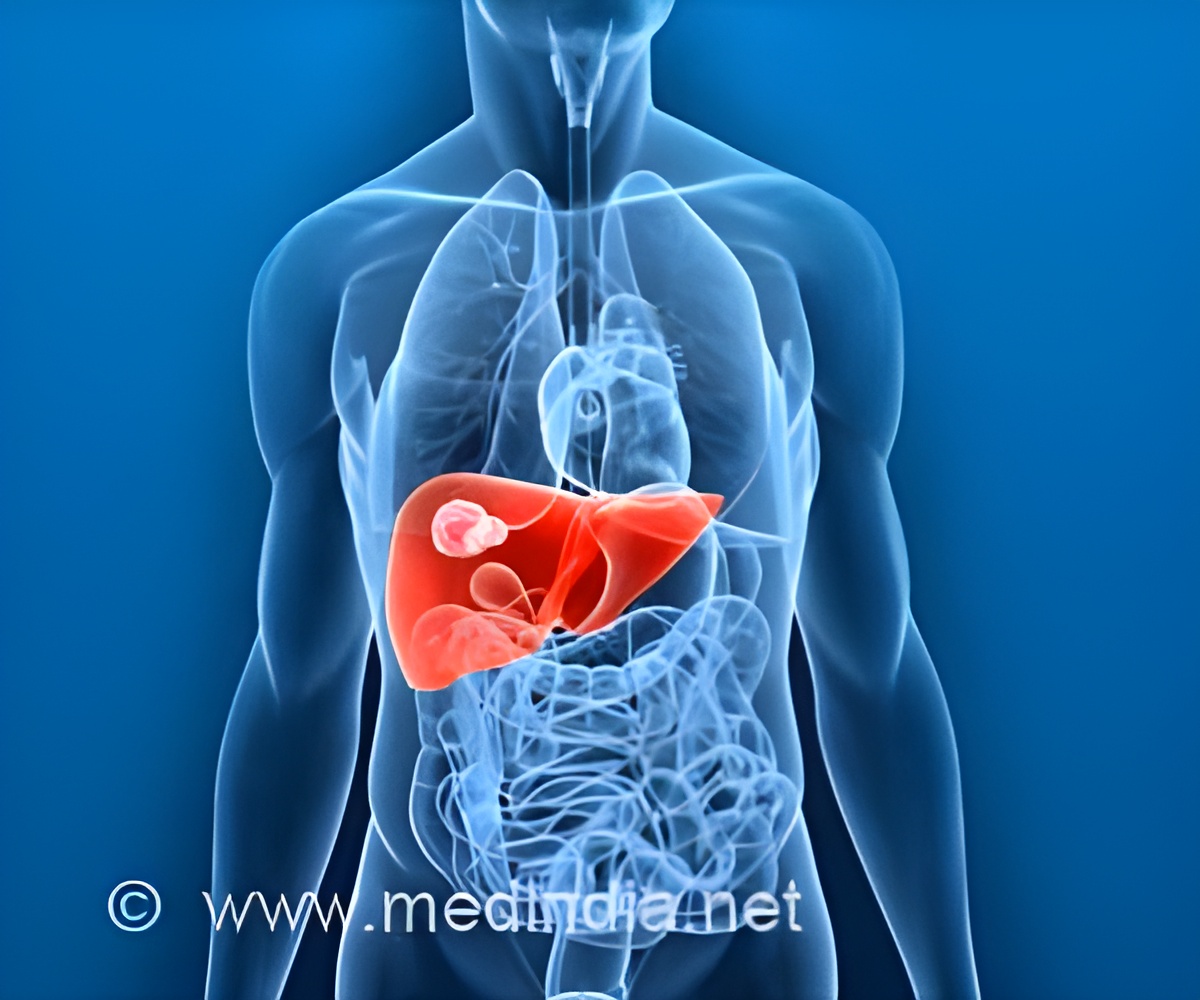

Liver Cancer in Children Needs Better Modes Of Diagnosis
The histological methods used to distinguish the subtypes of liver cancer in children in not satisfactory.
The histological methods used to distinguish the subtypes of liver cancer in children in not satisfactory.
TOP INSIGHT

New therapeutic strategy can target aggressive form of pediatric liver cancer called hepatoblastoma (HBL). PARP1 is the molecule that causes elevation of the oncogenic forms of the TSPs (tumor suppressor proteins) in aggressive hepatoblastoma. This new treatment can provide a strong rationale for testing PARP1 inhibitors to treat aggressive pediatric liver cancer.
An FDA-approved drug called Olaparib that blocks PARP1 is already used to treat other types of cancer. In their tests on human liver tumor cells, Timchenko and colleagues learned that PARP1 binds to DNA regions within many cancer-related genes and activates their expression in (HBL) to drive the disease. When the researchers pharmacologically blocked PARP1 in the tumor cells, this slowed or stopped cancer progression.
"Our findings provide a strong rationale for testing PARP1 inhibitors to treat aggressive pediatric liver cancer, but additional research is needed before we can verify this and recommend that it be tried in patients," Timchenko said. "This includes testing inhibitors in laboratory mouse models of hepatoblastoma to see if they work in a living organism." The researchers also caution that findings in laboratory models often are not effective in the clinical treatment of patients.
Current Treatments for Liver Cancer | Hepatoma | Hepatocellular Carcinoma
Current Treatments for Liver Cancer (also known as hepatoma or hepatocellular carcinoma) can result in complete cure of the disease if it is detected early.
Current Treatments for Liver Cancer (also known as hepatoma or hepatocellular carcinoma) can result in complete cure of the disease if it is detected early.
HBL is the most common type of pediatric liver cancer and affects children during the first three years of life. Although overall survival rates for these patients have improved over the years, substantial numbers of them see their cancer spread, or they face aggressive, therapy-resistant tumors that cannot be removed surgically.
DNA Test for Liver Cancer may be More Accurate Than Ultrasound Test
A DNA test as a method to test for liver cancer detects more than ninety percent of patients with curable stage tumors. This simple blood test using abnormal DNA markers may be more sensitive than an ultrasound test.
A DNA test as a method to test for liver cancer detects more than ninety percent of patients with curable stage tumors. This simple blood test using abnormal DNA markers may be more sensitive than an ultrasound test.
Source-Eurekalert

Success in Tumor Response Rate With Olaparib
Overall tumor response rate of 26 percent is seen with Olaparib, an experimental twice-daily oral cancer drug, in several advanced cancers associated with BRCA1 and BRCA2 mutations.
Overall tumor response rate of 26 percent is seen with Olaparib, an experimental twice-daily oral cancer drug, in several advanced cancers associated with BRCA1 and BRCA2 mutations.
 Email
Email