MEDINDIA
 English
 हिन्दी
 Español
 français
 中文
中文
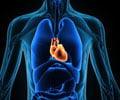
Molecular alterations of a protein begin in the diabetic heart from an early stage of the disease, before any clinically identifiable symptoms.
Diabetes - Oral Hypoglycemic Agents and Glycemic Control
Glycemic control in type 2 diabetes is achieved with oral diabetic medications. Combination drugs and insulin therapy is sometimes required.
Glycemic control in type 2 diabetes is achieved with oral diabetic medications. Combination drugs and insulin therapy is sometimes required.
Researchers also identified that diabetes increases autophagy through activation of the protein (Beclin-1). Katare said, "The protein presented an extremely promising target for new treatments of diabetes-related cardiac disease. We found that these molecular alterations begun in the diabetic heart from an early stage of the disease, before any clinically identifiable symptoms, so blocking them could be useful in combating cardiovascular complications in diabetes."
The study appeared in the International Journal of Cardiology.
Diabetes and Hypertension: Preventing a Toxic Combination
Diabetes and hypertension (high blood pressure) are significant health problems worldwide, but like cardiac disease and fatty liver disease, people of Indian origin are disproportionately affected.
Diabetes and hypertension (high blood pressure) are significant health problems worldwide, but like cardiac disease and fatty liver disease, people of Indian origin are disproportionately affected.
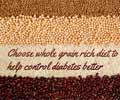
Diabetes Diet Plan
Diet plays a significant role in controlling diabetes. Most cases of diabetes are preventable with healthy lifestyle changes.
Diet plays a significant role in controlling diabetes. Most cases of diabetes are preventable with healthy lifestyle changes.

Diabetes and Exercise
Regular exercise especially in type II diabetes not only helps reduce the sugar but also reduces the demand for medication by 20% and helps you stay healthy.
Regular exercise especially in type II diabetes not only helps reduce the sugar but also reduces the demand for medication by 20% and helps you stay healthy.
 Email
Email