MEDINDIA
 English
 हिन्दी
 Español
 français
 中文
中文
New therapy for pancreatic ductal adenocarcinoma uses modified salmonella bacteria to target tumor that are highly resistant to other forms of cancer treatment.
Pancreatic Cancer - All About the Disease, its Diagnosis and Management
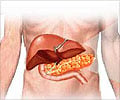
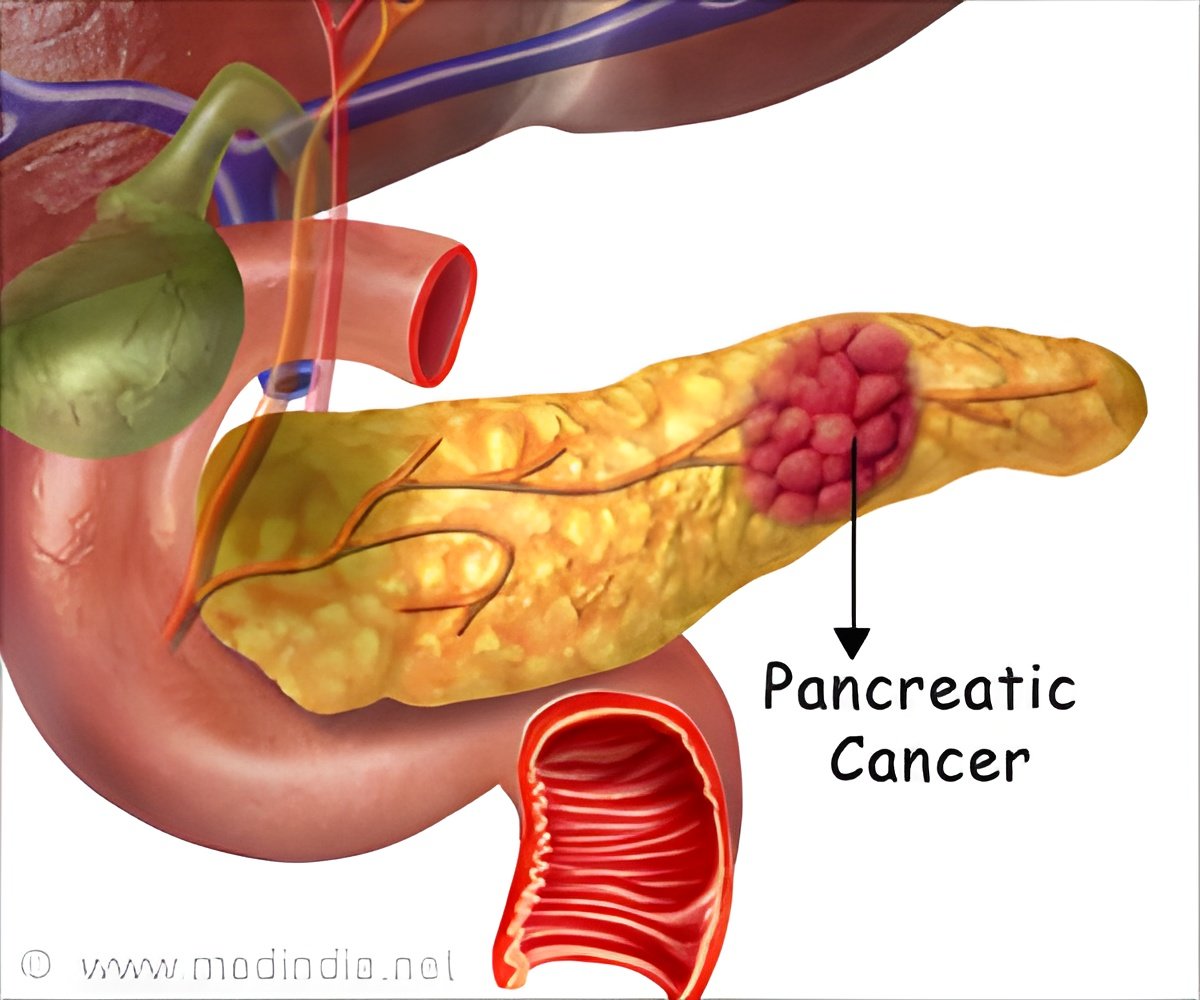
Pancreatic cancer often involves its exocrine part. It grows aggressively, and often detected late. Treatment options include surgery, radiation and chemotherapy.
Pancreatic cancer often involves its exocrine part. It grows aggressively, and often detected late. Treatment options include surgery, radiation and chemotherapy.
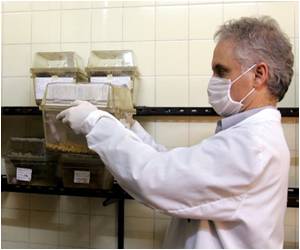
The study carried out on laboratory mice found that the new therapy frequently triggered the complete regression of pancreatic tumors and significantly extended survival.
Lead researcher Don J Diamond, Department of Experimental Therapeutics at City of Hope, said, “The results were, in a word, remarkable. This method has the potential to treat a variety of cancers that share similar features to pancreatic ductal adenocarcinoma, currently one of the most difficult-to-treat cancers and one for which we desperately need better options.”
Enzyme Linked to Aggressive Pancreatic Cancer Offers Potential Clinical Advances
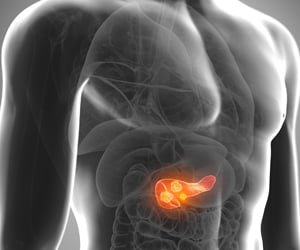
An enzyme is being discovered by Mayo Clinic researchers which they say is tightly linked to how aggressive pancreatic cancer will be in a patient.
An enzyme is being discovered by Mayo Clinic researchers which they say is tightly linked to how aggressive pancreatic cancer will be in a patient.
To crack those defenses, researchers engineered the bacteria Salmonella typhimurium to carry a DNA that targets a molecule known as IDO, which camouflages cancer cells and prevents the immune system from recognizing and killing the tumor.

Microfluidic Device Captures Potential Biomarker for Early Pancreatic Cancer
Cancer cells are on the move in the bloodstream in the very early stage of pancreatic cancer. And it can be detected before cancer is diagnosed, claims research by the University of Michigan Health System.
Cancer cells are on the move in the bloodstream in the very early stage of pancreatic cancer. And it can be detected before cancer is diagnosed, claims research by the University of Michigan Health System.
The study is published in the Journal Cancer Immunology Research from the American Association for Cancer Research.

Supportive Tissue in Tumors Actually Hinders Pancreatic Cancer
Researchers have found that fibrous tissue that was suspected of making pancreatic cancer worse could support immune system attack that slows down its progression, but not overcome it
Researchers have found that fibrous tissue that was suspected of making pancreatic cancer worse could support immune system attack that slows down its progression, but not overcome it
 Email
Email