MEDINDIA
 English
 हिन्दी
 Español
 français
 中文
中文
A new radical non-invasive technology that can be used to diagnose respiratory lung diseases, such as cystic fibrosis and lung cancer, and potentially fast-track treatments for patients has been developed by scientists.
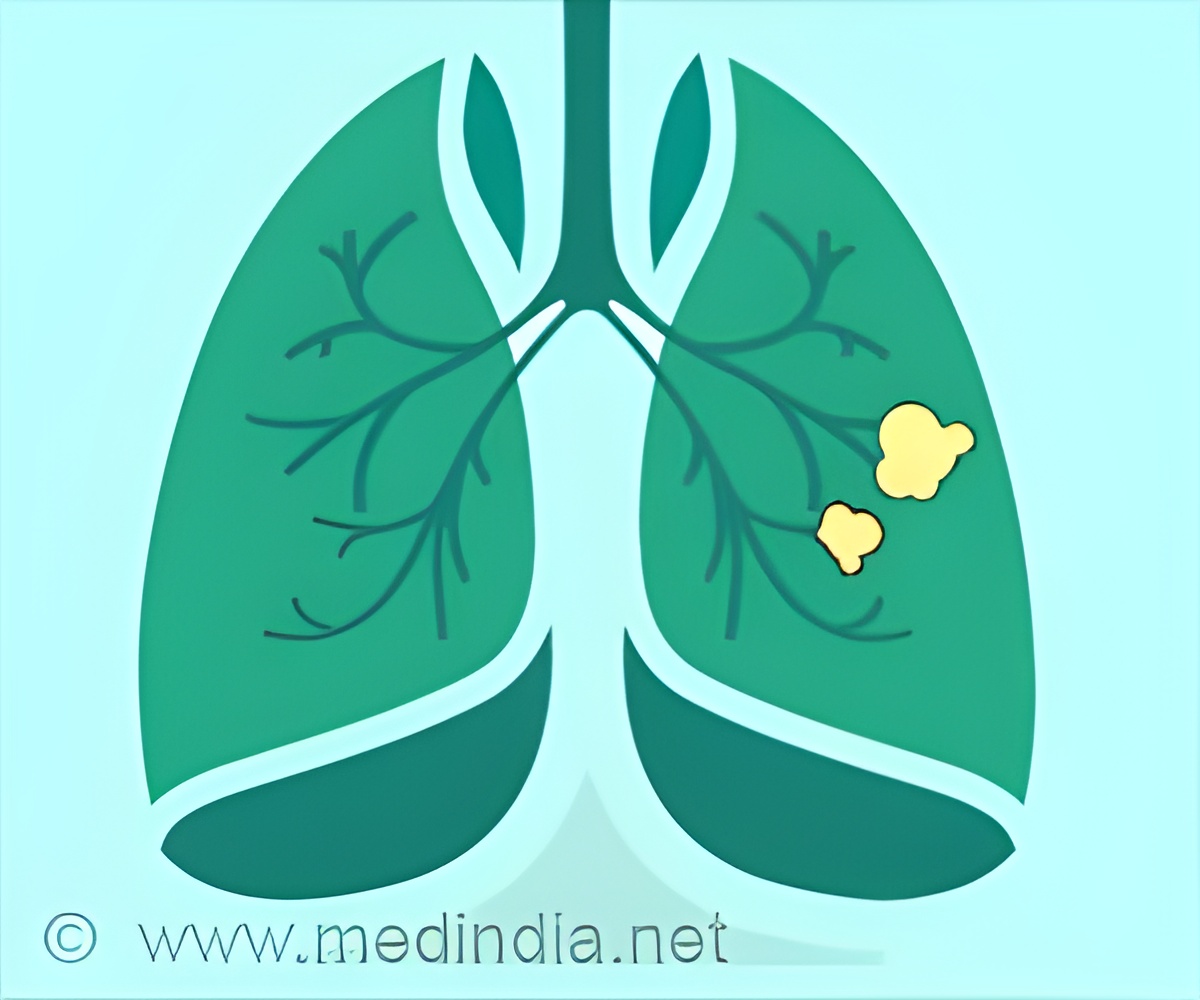
Lung Cancer - Types, Causes, Symptoms, Diagnosis, Treatment and Prevention
Lung cancer is a malignant tumor in the lung tissues. Smoking is the main cause of lung cancer with symptoms like recurrent respiratory diseases.
Lung cancer is a malignant tumor in the lung tissues. Smoking is the main cause of lung cancer with symptoms like recurrent respiratory diseases.
TOP INSIGHT

The early diagnosis and ongoing monitoring of genetic and chronic lung diseases, such as cystic fibrosis, asthma and lung cancer, is currently hampered by the inability to capture the spatial distribution of lung function in a breathing lung.
The technology has since been commercialised by Australian-based med-tech company 4Dx Limited, led by CEO and former Monash University researcher Professor Andreas Fouras. The technology has been upscaled for human clinical trials taking place in the USA, with Phase I already completed successfully.
The study was published in the internationally-renowned Nature Research Scientific Reports in January 2020.
Quiz on Lung Cancer (Advance)
Lung cancer, like other cancers, is a dreaded condition responsible for a number of deaths in both men and women. Test your knowledge on lung cancer by taking this quiz.
Lung cancer, like other cancers, is a dreaded condition responsible for a number of deaths in both men and women. Test your knowledge on lung cancer by taking this quiz.
Research by Dr Murrie and the multi-disciplinary collaboration of physicists, engineers, biologists and clinicians are changing this approach to the diagnosis and treatment of lung diseases, by determining the functional lung movement and airflow in live mice, acquired through X-ray technology at 30 frames per second.
Lung Cancer - Top 10 Interesting Facts You Must Know
Lung cancer can be diagnosed only in the advanced stages of the disease. Therefore, early screening is recommended for a better prognosis.
Lung cancer can be diagnosed only in the advanced stages of the disease. Therefore, early screening is recommended for a better prognosis.
Researchers were able to pinpoint the exact locations where lung deficiencies were present and the location of the obstruction causing the restricted airflow. The successful trial opens up avenues for respiratory diseases to be diagnosed, treated and managed earlier than current technology allows and at a lower radiation dose than current CT scanning.

Lung Cancer Screening Saves Lives
The NELSON trial- report of a randomized lung cancer screening trial in Europe—verified a massive lung cancer mortality reduction in patients undergoing low-dose computed tomography (LDCT) screening.
The NELSON trial- report of a randomized lung cancer screening trial in Europe—verified a massive lung cancer mortality reduction in patients undergoing low-dose computed tomography (LDCT) screening.
"This finding is an exciting step in advancing the understanding of lung diseases and treatments that affect millions of people globally, and particularly for those with cystic fibrosis, which affects more than 70,000 people worldwide."
Professor Fouras said: "I am pleased to see this technology, originally developed at Monash University, and now being commercialised to maximise clinical impact, also enabling cutting-edge medical research like this."
Source-Eurekalert
 Email
Email