MEDINDIA
 English
 हिन्दी
 Español
 français
 中文
中文
A new way for drugs proposed by researchers was found to be more effective against inflammatory bowel disease (IBD).
Irritable Bowel Syndrome – Causes, Diagnosis, Treatment
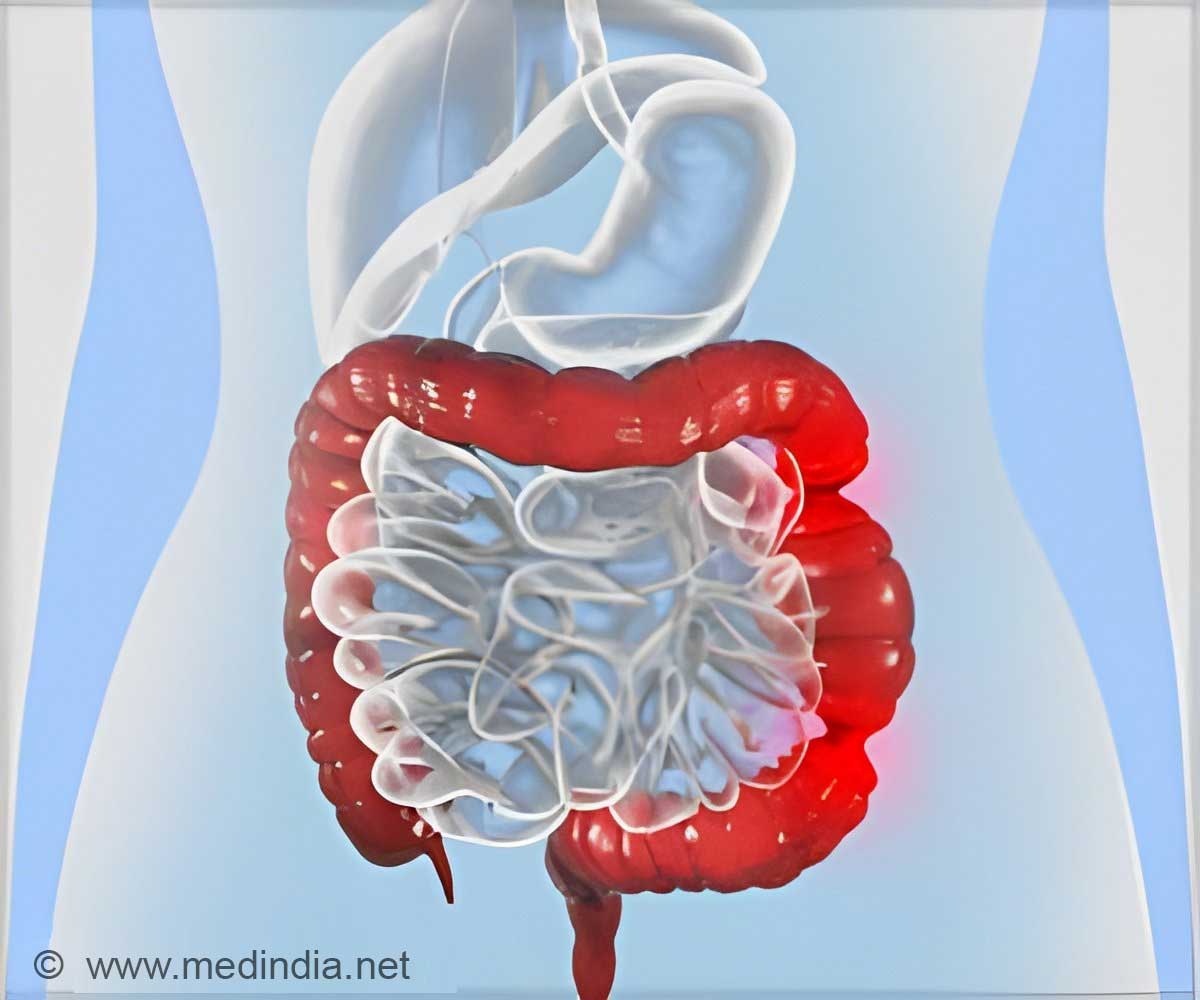
Irritable bowel syndrome (IBS) causes recurrent abdominal pain or discomfort and a fluctuating disturbance in defecation. IBS is not life threatening.
Irritable bowel syndrome (IBS) causes recurrent abdominal pain or discomfort and a fluctuating disturbance in defecation. IBS is not life threatening.
TOP INSIGHT

IBD, a chronic inflammatory disease of the intestine, includes Crohn's disease and ulcerative colitis. It is commonly treated with one of several available biological drugs that block an inflammatory molecule called Tumor Necrosis Factor Alpha, or TNF-alpha, from binding to two receptors, TNFR1 and TNFR2. Only about 50 percent of patients are helped long term by this treatment.
The researcher explained that people have two different receptors, TNFR1 and TNFR2, in each of their cells that bind TNF-alpha. Currently, TNF-alpha-targeted drugs block both TNFR1 and TNFR2.
Lo’s experiments were done in mice, which have the same two receptors. The pattern of inflammation in mice is similar to that seen in humans.

Quiz on Irritable Bowel Syndrome
Frequent bowel disturbances are a sign of possible cancerous changes; Here's a quiz to help you to brush up your knowledge on irritable bowel disorder.
Frequent bowel disturbances are a sign of possible cancerous changes; Here's a quiz to help you to brush up your knowledge on irritable bowel disorder.
Lo said evidence exists that TNFR1 may be driving most of the destructive effects of IBD, whereas TNFR2 may drive the healing and restorative effects.

Do Patients with Irritable Bowel Syndrome Need a Specific Diet?
Diet for Irritable Bowel Syndrome (IBS): No relationship between high intake of gluten and increased IBS symptoms was found.
Diet for Irritable Bowel Syndrome (IBS): No relationship between high intake of gluten and increased IBS symptoms was found.
Lo’s group was encouraged by two pieces of evidence suggesting that targeting TNFR1 may be a more beneficial strategy.
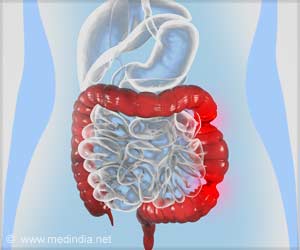
IBS (Irritable Bowel Syndrome) Shows No Efficacy to Vitamin D Supplementation
People with IBS have deficient vitamin D levels. However, scientists have found that vitamin D supplementation among these patients may not improve their painful symptoms.
People with IBS have deficient vitamin D levels. However, scientists have found that vitamin D supplementation among these patients may not improve their painful symptoms.
Mice treated with this reagent were found to benefit from it. The researchers also did genetic targeting of TNFR1 to reduce its signaling. The impact, they found, was dramatic.
"When we reduced TNFR1 signaling, the mice showed a significant benefit relative to mice who had the full level of TNFR1 signaling," Lo said.
"This approach may offer more opportunity to TNFR2 to contribute to the healing."
Source-IANS
 Email
Email