MEDINDIA
 English
 हिन्दी
 Español
 français
 中文
中文
New EDAS surgery may help prevent strokes from brain plaques, revealed clinical trial.
Stroke – Early Warning Signs - Risk Factor - Rehab - Treatment
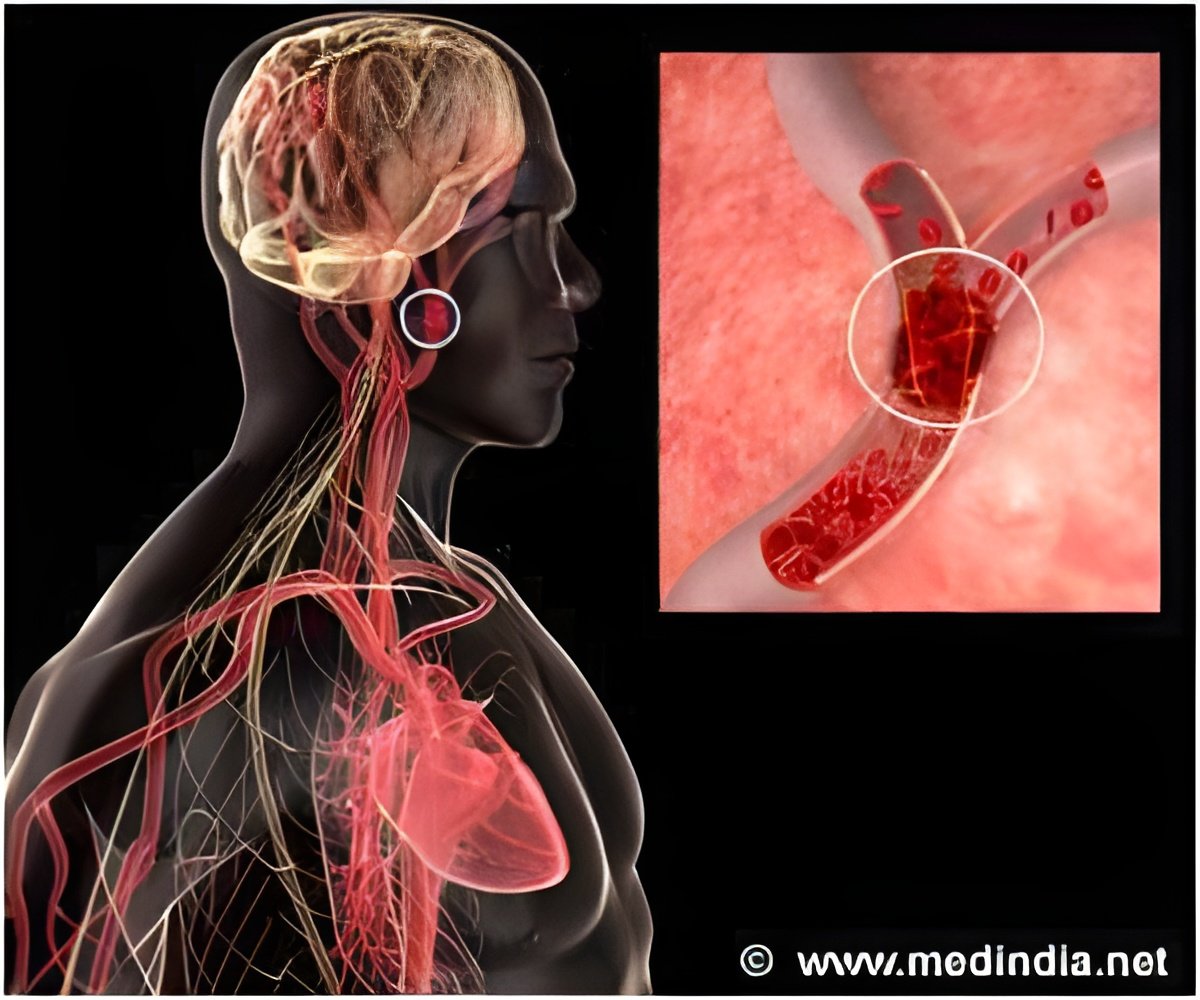
Stroke can cause permanent disability and it is important to recognize its early warning signs to stop its progress. Early warning signs of stroke include sudden weakness of facial muscles.
Stroke can cause permanent disability and it is important to recognize its early warning signs to stop its progress. Early warning signs of stroke include sudden weakness of facial muscles.
TOP INSIGHT

New EDAS surgery may help prevent strokes in intracranial atherosclerotic disease.
"Our findings in this intermediate-stage trial are promising for applying EDAS surgery to intracranial atherosclerotic disease," said Gonzalez said. Previously, EDAS has been used for moyamoya disease, a rare cerebrovascular disorder that affects younger patients.
Gonzalez said the new trial addressed a serious medical need. "Even under the best current treatments, ICAD carries high rates of recurrent stroke and death, compared with other causes of stroke," he said. "Developing new therapeutic strategies is crucial for ICAD patients." Current ICAD therapies--in addition to intensive medical management--include bypass surgery to connect a blood vessel from outside the brain to a vessel inside the brain, as well as angioplasty with stenting, which involves inflating a tiny balloon inside a cerebral artery to open it up and placing a stent device inside the artery. Despite advances in medical care, annual rates of recurrent stroke and death are remain high, at 15 percent or more for ICAD patients, according to published research.
Atherosclerosis - Causes, Symptoms, Prevention & Treatment
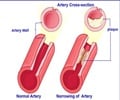
Atherosclerosis is a condition in which the arteries become hard and narrow, leading to restricted blood flow.
Atherosclerosis is a condition in which the arteries become hard and narrow, leading to restricted blood flow.
"This clinical trial moves us significantly closer to preventing strokes and death in high-risk populations," said Keith Black, MD, professor and chair of the Department of Neurosurgery. "As a nationally renowned physician-investigator, Dr. Gonzalez personifies the dedication of Cedars-Sinai to translating the most advanced research into new cures."
Stroke Risk Calculator
Stroke Risk Calculator checks if you have hypertension, diabetes and heart failure and predicts the risk of stroke (cerebrovascular accident) in next 10 years.
Stroke Risk Calculator checks if you have hypertension, diabetes and heart failure and predicts the risk of stroke (cerebrovascular accident) in next 10 years.
Brain Plaque- Reason Behind Genetic Mutations in Parkinson's Disease
With lab-grown human brain cells, the connection between the formation of fatty plaques in the brain and the genetic mutations of GBA1 in Parkinson's disease was identified.
With lab-grown human brain cells, the connection between the formation of fatty plaques in the brain and the genetic mutations of GBA1 in Parkinson's disease was identified.
 Email
Email