MEDINDIA
 English
 हिन्दी
 Español
 français
 中文
中文
New oral anticoagulant drugs are used in the prevention of stroke in atrial fibrillation patients as it causes less bleeding.
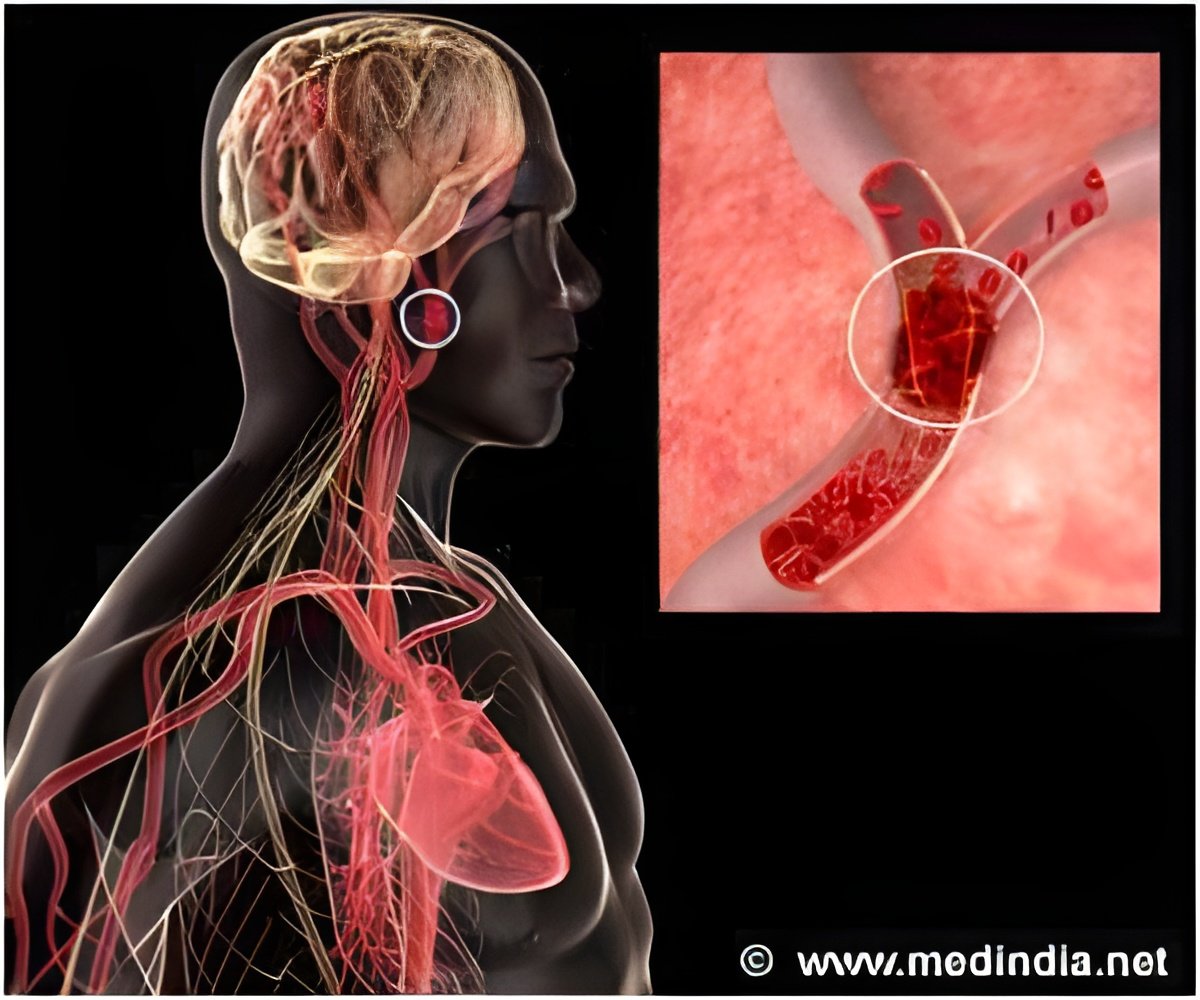

Oral Anticoagulants or Blood Thinners
Warfarin is the most commonly used oral anticoagulant. Dabigatran etexilate is a newer drug recently approved for use by the FDA.
Warfarin is the most commonly used oral anticoagulant. Dabigatran etexilate is a newer drug recently approved for use by the FDA.
TOP INSIGHT

Non Vitamin K Oral Antagonist drugs like dabigatran, apixaban causes lesser bleeding during stroke treatment when compared to warfarin.
Dr Staerk said,"Atrial fibrillation is the most common cardiac rhythm disorder and currently affects more than 10 million Europeans"
Atrial fibrillation is found to be linked with a five-fold risk of stroke, which may lead to disability and death, she also added that in the next forty years, the number of patients with atrial fibrillation would triple with number of Europeans diagnosed may rise to 25 -30 million.
Oral anticoagulants are used by patients with atrial fibrillation for the treatment of stroke. However, warfarin and Non Vitamin K Oral Antagonist (NOAC) may increase the risk of intracranial bleeding.
Even though there has been several treatment options for stroke treatment, Dr Staerk said, "There has been a need to investigate safety and effectiveness of NOACs versus warfarin in a 'real world' population and our Danish registries provide this opportunity."
The findings of the study reported that about 42% patients were found to take warfarin, while 29%, 16% and 13% of the patients were found to take dabigatran, apixaban and rivaroxaban respectively. Around 1054 patients were reported with stroke and about 261 cases were reported with intracranial bleeding.
Dr Staerk added that eventhough warfarin and NOAC were found to have similar effects in reducing stroke. NOAC drugs were found to be associated with lesser risk of intracranial bleeding in patients with atrial fibrillation.
She concluded that "Registry studies have some limitations such as the observational design, residual confounding, and confounding by drug indication. In the future it would be exciting to see a head-to-head randomised trial performed to compare the different NOAC treatments in patients with atrial fibrillation."
Source-Medindia
 Email
Email