MEDINDIA
 English
 हिन्दी
 Español
 français
 中文
中文
Precise clinical trials for severe asthma treatment are to come soon based on a study that identifies key inflammatory and immunological underpinnings of severe asthma.


Asthma - Factors, Common Allergens, Diagnosis, Treatment, Support Groups, FAQs
It's a lung condition characterized by inflammation of the bronchi and constriction of the airways that result in coughing, wheezing or breathlessness. Allergy and other airway irritants can trigger it
It's a lung condition characterized by inflammation of the bronchi and constriction of the airways that result in coughing, wheezing or breathlessness. Allergy and other airway irritants can trigger it
TOP INSIGHT

A new study identifies key inflammatory and immunological underpinnings of severe asthma with implications for precise clinical trials and future treatment for severe asthma.
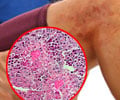
To model allergic lung inflammation in a dirty indoor environment, the team exposed a mouse model to a common environmental indoor allergen - house dust mite - as well as to endotoxin, a toxin released by bacterial cells. Exposure to both stimuli triggered complex lung inflammation, including a phenomenon known as lung NETosis.
In response to inflammatory triggers, white blood cells known as neutrophils form "neutrophil extracellular traps" (NETs). NETosis is the process by which NETs get activated and released. NETs can play a significant role in helping defend a host from invaders, but they can also cause organ injury and inflammation.
Asthma in Children and Adults - Facts, Treatment and Symptoms
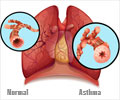
Adult and childhood asthma are caused due to inflammation of the airways, but differences exist in their intensity and triggers.
Adult and childhood asthma are caused due to inflammation of the airways, but differences exist in their intensity and triggers.
In addition to studying animals, the team also examined samples of fluid from the lungs of human severe asthma patients, finding that a subset of patients had high neutrophil counts and detectable NETs and cytoplasts - important implications for how to design more precise clinical trials for severe asthma treatment.

Childhood Asthma - Causes, Symptoms, Diagnosis, Treatment & Prevention
Childhood asthma is a condition that affects airways in children and interferes with their daily activities including play, sports, school and sleep.
Childhood asthma is a condition that affects airways in children and interferes with their daily activities including play, sports, school and sleep.
Source-Eurekalert
 Email
Email