MEDINDIA
 English
 हिन्दी
 Español
 français
 中文
中文
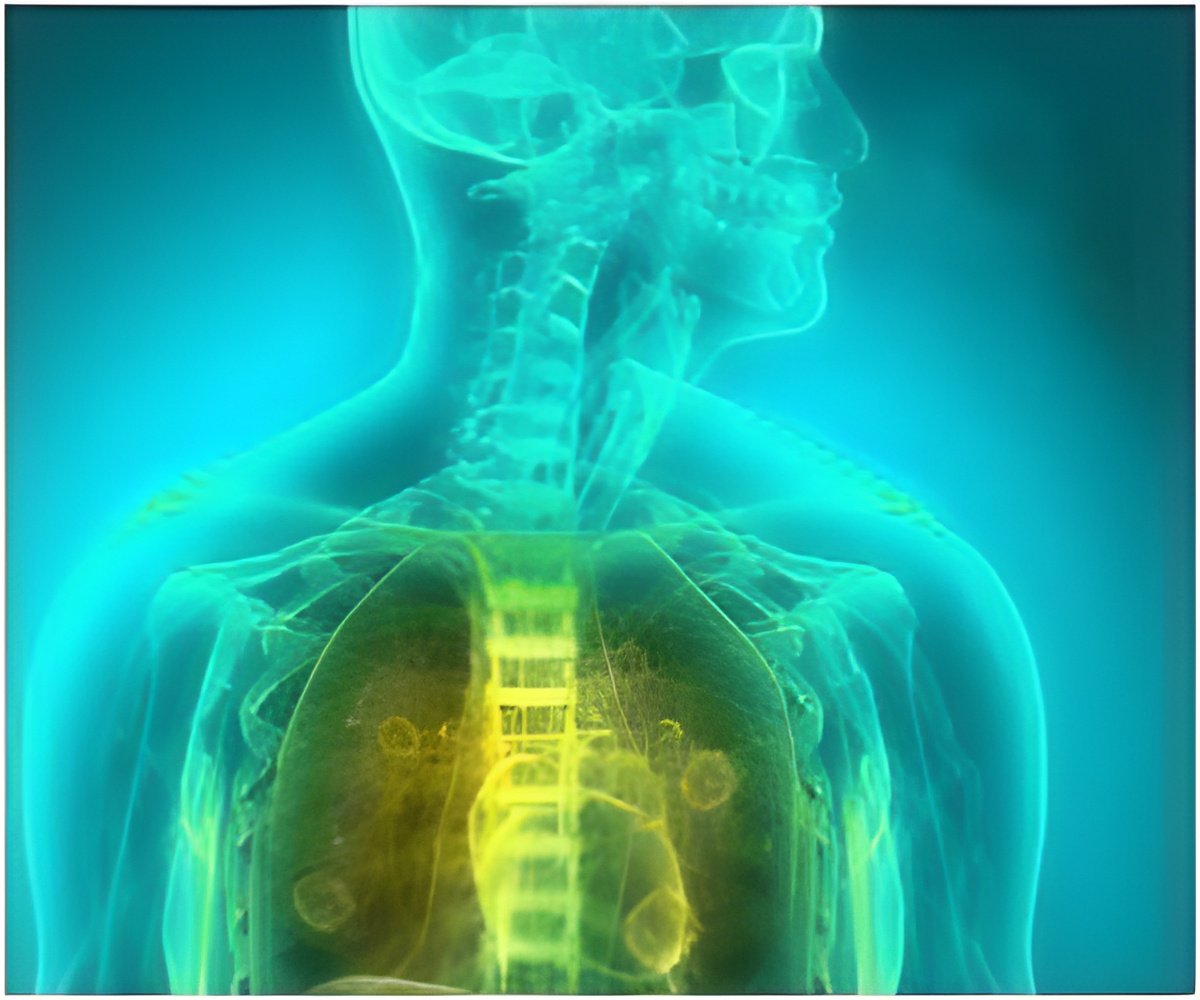
In patients with locally advanced non-small cell lung cancer (NSCLC), the addition of drugs oleclumab or monalizumab to durvalumab improved progression-free survival.
Lung Cancer - Types, Causes, Symptoms, Diagnosis, Treatment and Prevention
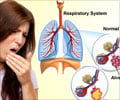
Lung cancer is a malignant tumor in the lung tissues. Smoking is the main cause of lung cancer with symptoms like recurrent respiratory diseases.
Lung cancer is a malignant tumor in the lung tissues. Smoking is the main cause of lung cancer with symptoms like recurrent respiratory diseases.
TOP INSIGHT

This year more than two million people worldwide are estimated to be diagnosed with lung cancer.
“One in four patients with NSCLC are diagnosed where the majority of their tumors can’t be removed with surgery, however advances in chemotherapy and radiation therapy have proven effective. We are always striving to make new, more effective therapies post radiation to be available.”
COAST is an open label, randomized, phase 2 trial that studied at adjuvant therapy with durvalumab alone or in combination with oleclumab or monalizumab in patients with locally advanced, unresectable, stage III NSCLC. Durvalumab works with a patient’s immune system to interfere with the growth and spread of cancer cells in the body. Results show oleclumab, an anti-CD73 monoclonal antibody, or monalizumab, an anti-NKG2A monoclonal antibody, in combination with durvalumab improved progression-free survival.

Lung Cancer Screening - FAQs
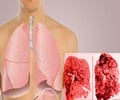
Lung cancer accounts for nearly 1.3 million deaths annually worldwide. Lung cancer screening can help in early detection of cancer and possible cure.
Lung cancer accounts for nearly 1.3 million deaths annually worldwide. Lung cancer screening can help in early detection of cancer and possible cure.
“These findings support further evaluation of these drug combinations,” said Herbst.
Quiz on Lung Cancer (Advance)
Lung cancer, like other cancers, is a dreaded condition responsible for a number of deaths in both men and women. Test your knowledge on lung cancer by taking this quiz.
Lung cancer, like other cancers, is a dreaded condition responsible for a number of deaths in both men and women. Test your knowledge on lung cancer by taking this quiz.

Mesothelioma
Animation on mesothelioma - a form of lung cancer, that explains about the condition, its risk factors, diagnosis and treatment
Animation on mesothelioma - a form of lung cancer, that explains about the condition, its risk factors, diagnosis and treatment
 Email
Email