MEDINDIA
 English
 हिन्दी
 Español
 français
 中文
中文
A material using DHA and glyol, used in laxatives could be used to suture abdominal walls as they reduce damage to the intestines.

Why does your Stomach Growl with Hunger
A rumbling, growly stomach, hiccups and continuous sneezing are some of the body’s signals which we don’t have much on.
A rumbling, growly stomach, hiccups and continuous sneezing are some of the body’s signals which we don’t have much on.
TOP INSIGHT

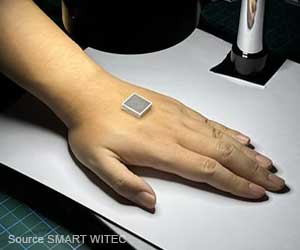
A compound made up of polyethylene glycol and dihydroxyacetone (DHA), a natural by-product of the breakdown of glucose in the body was strong enough to protect mouse intestines during suturing of the abdomen and quickly dissolved in the body.
"It was bendy and stretchy and degraded really fast," Dr. Putnam said. "It was a match made in heaven." As it turned out, Dr. Putnam's then graduate student Nicole Ricapito had created and was testing a material that met those specifications.
In an earlier study the collaborators and their colleagues demonstrated that the compound was strong enough to protect mouse intestines during suturing of the abdomen and quickly dissolved in the body.
Small Intestine Biopsy-Purpose-Precaution-After Biopsy-Risks-FAQ
Encyclopedia section of medindia gives general information about small intestine
Encyclopedia section of medindia gives general information about small intestine
The U.S. Food and Drug Administration has approved the use of DHA in nutritional supplements and spray tanners. The polyethylene glycol lends flexibility to the device and DHA adds strength, Dr. Putnam said. Both break down when exposed to water in the body.
Short Bowel Syndrome - Causes, Symptoms, Complications, Diagnosis & Treatment
Short bowel syndrome is a rare disorder that occurs due to the physical or functional loss of a part of small intestine resulting in reduced ability of the body to absorb nutrients from food.
Short bowel syndrome is a rare disorder that occurs due to the physical or functional loss of a part of small intestine resulting in reduced ability of the body to absorb nutrients from food.
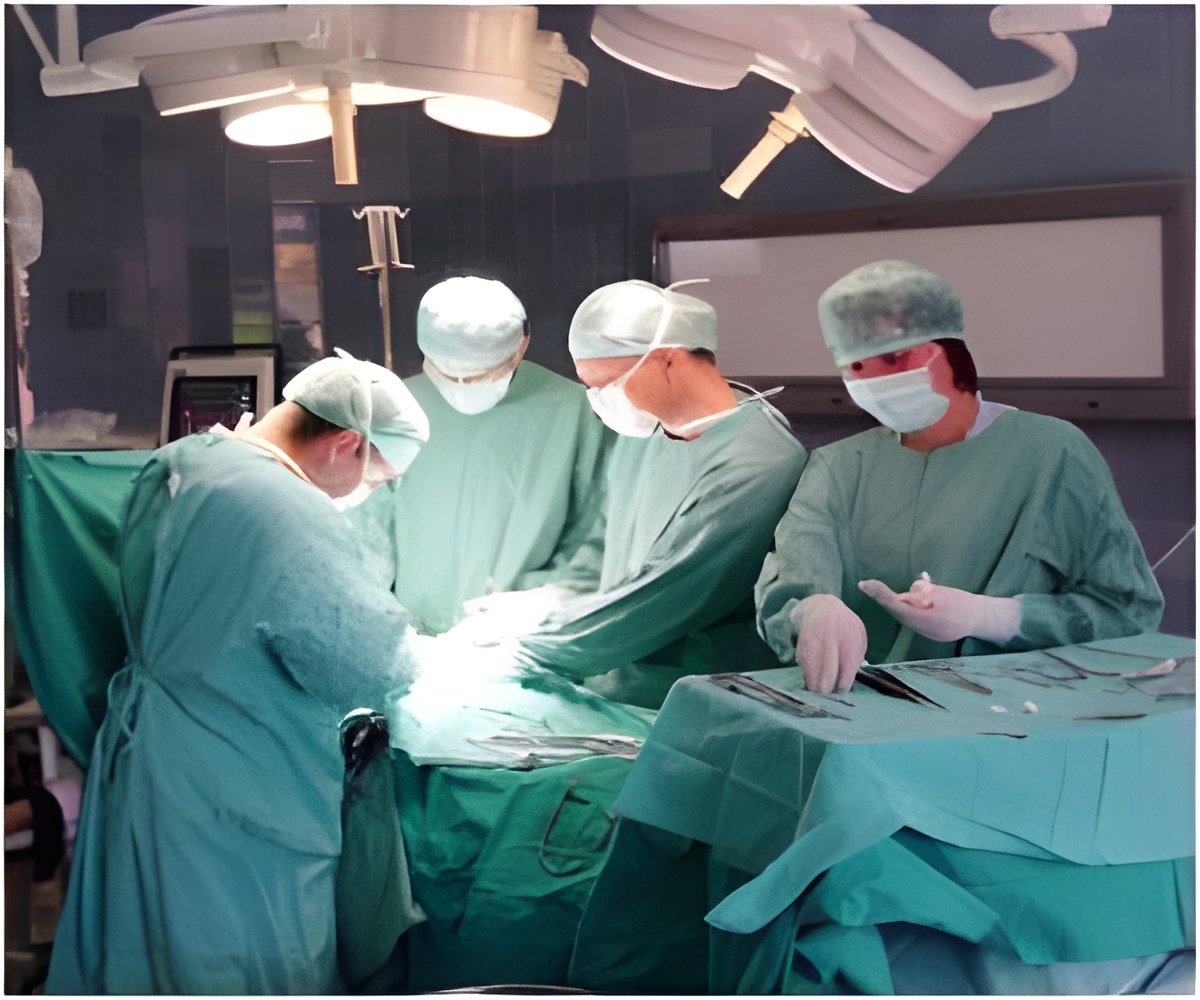
But Drs. Spector and Putnam's device is left behind in the abdominal cavity, allowing the final sutures to be made with protection still in place. The study found that the device dissolved within three hours of the surgery, leaving no scarring or signs of toxicity.
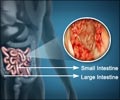
Small Intestinal Cancer Risk Factors Symptoms Diagnosis Treatment Prevention
Learn all about the early signs, symptoms, prevention and treatment of small intestine cancer.
Learn all about the early signs, symptoms, prevention and treatment of small intestine cancer.
If all goes well, Dr. Spector said this flexible material might one day help surgeons more confidently and securely close abdominal incisions.
"I hope it will lead to fewer incisional hernias," he said. "In addition, the implantable device could be used in a multitude of situations where surgeons want to protect vital structures from inadvertent needle puncture, but using a removable retractor would prove difficult or impossible."
Source-Eurekalert
 Email
Email