MEDINDIA
 English
 हिन्दी
 Español
 français
 中文
中文
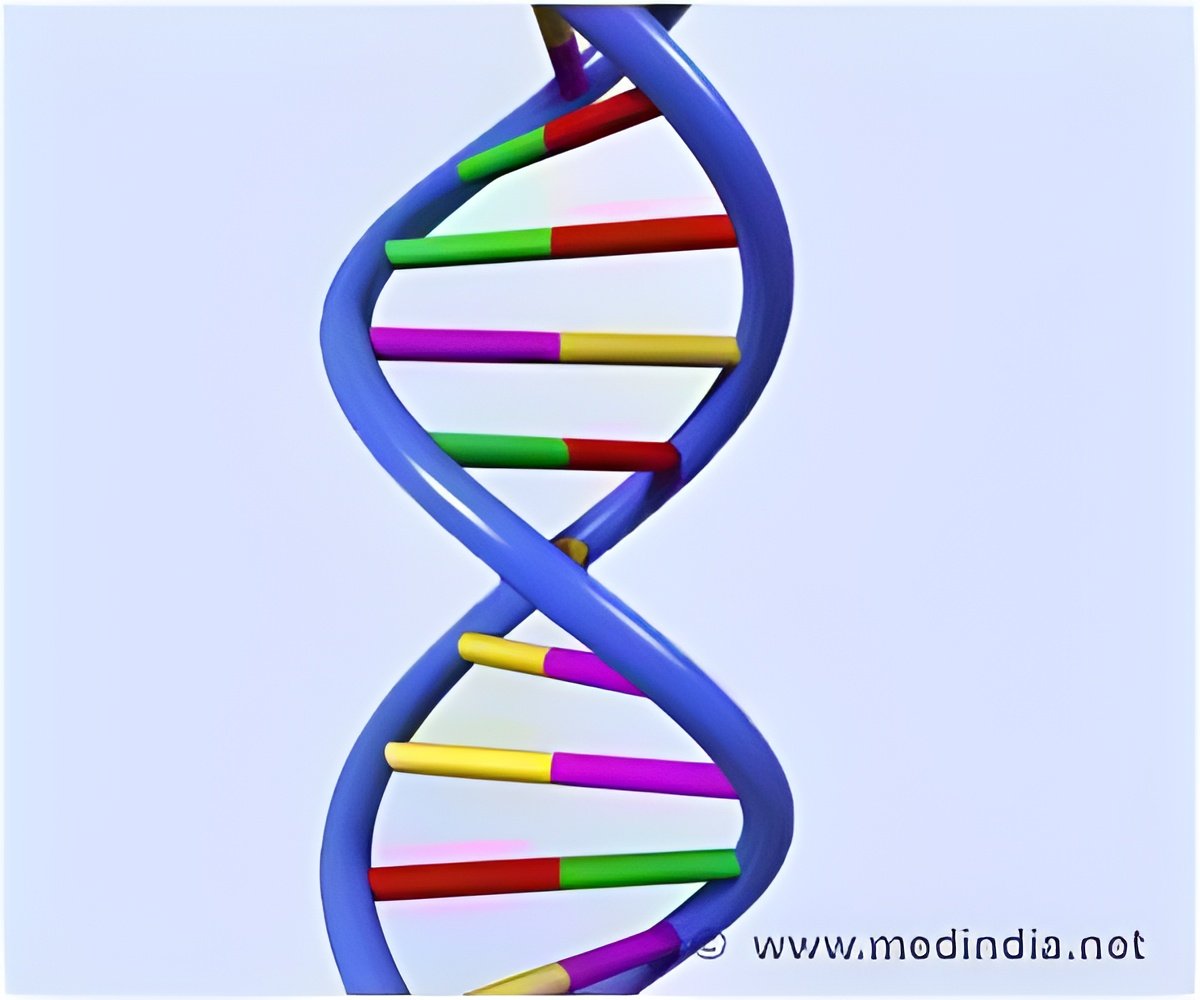
French and American researchers have introduced two new databases for studying the human genome.
Cost of Sequencing Human Genome Cheaper Than Conducting Targeted Genetic Tests
The cost of sequencing a majority of a patient's genomic data may be cheaper than conducting targeted genetic tests.
The cost of sequencing a majority of a patient's genomic data may be cheaper than conducting targeted genetic tests.
COMPILING FUNCTIONAL DATA
One of the articles published in NAR makes the APPRIS database available to the public and contains an integrated computational system that identifies those alternative splicing protein variants that are most relevant for cells.

Successful $3.0 Billion Takeover Of Human Genome Sciences by GSK
GlaxoSmithKline, the British drug maker secured the US research partner Human Genome Sciences Inc. after raising its bid to $3.0 billion (2.4 billion euros).
GlaxoSmithKline, the British drug maker secured the US research partner Human Genome Sciences Inc. after raising its bid to $3.0 billion (2.4 billion euros).
The APPRIS system is part of the ENCODE international project, in which more than 400 scientists from 32 laboratories in the UK, the US, Singapore, Japan, Switzerland and Spain have taken part.

Bioinformatics Experts Look at Coding Potential Hidden in the Human Genome
- Alfonso Valencia's group discover proteins made by combining different genes in healthy cells and tissues
- To date this has been
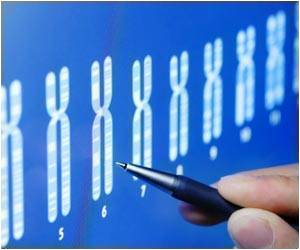
After Mapping the Human Genome, Researchers Turn Attention to Proteins
Now that the human genome has been mapped, researchers have turned their attention to the difficult task of mapping all proteins present in the human body.
Now that the human genome has been mapped, researchers have turned their attention to the difficult task of mapping all proteins present in the human body.
Furthermore, ChiTaRS relates some of these chimeric RNAs to chromosome alterations that are present in different types of cancer.
The entries in ChiTaRS are incorporated into the universal UniProt Knowledgebase system (UniProtKB), that contains a broad catalogue of information on proteins from laboratories around the world.
"The RNAs and chimeric proteins have become a powerful tool for researchers over the past few years, as they can be used as new cancer markers, as well as possible targets for the generation of new drugs," says Milana Frenkel-Morgenstern, the first author of the study. This new catalogue will also help further understanding of the evolution of chimeric RNAs in eukaryotes and their functions in organisms.
Source-Eurekalert
 Email
Email