MEDINDIA
 English
 हिन्दी
 Español
 français
 中文
中文
The algorithm allows physicians to help determine patients who are likely to benefit from intensive care unit treatment.
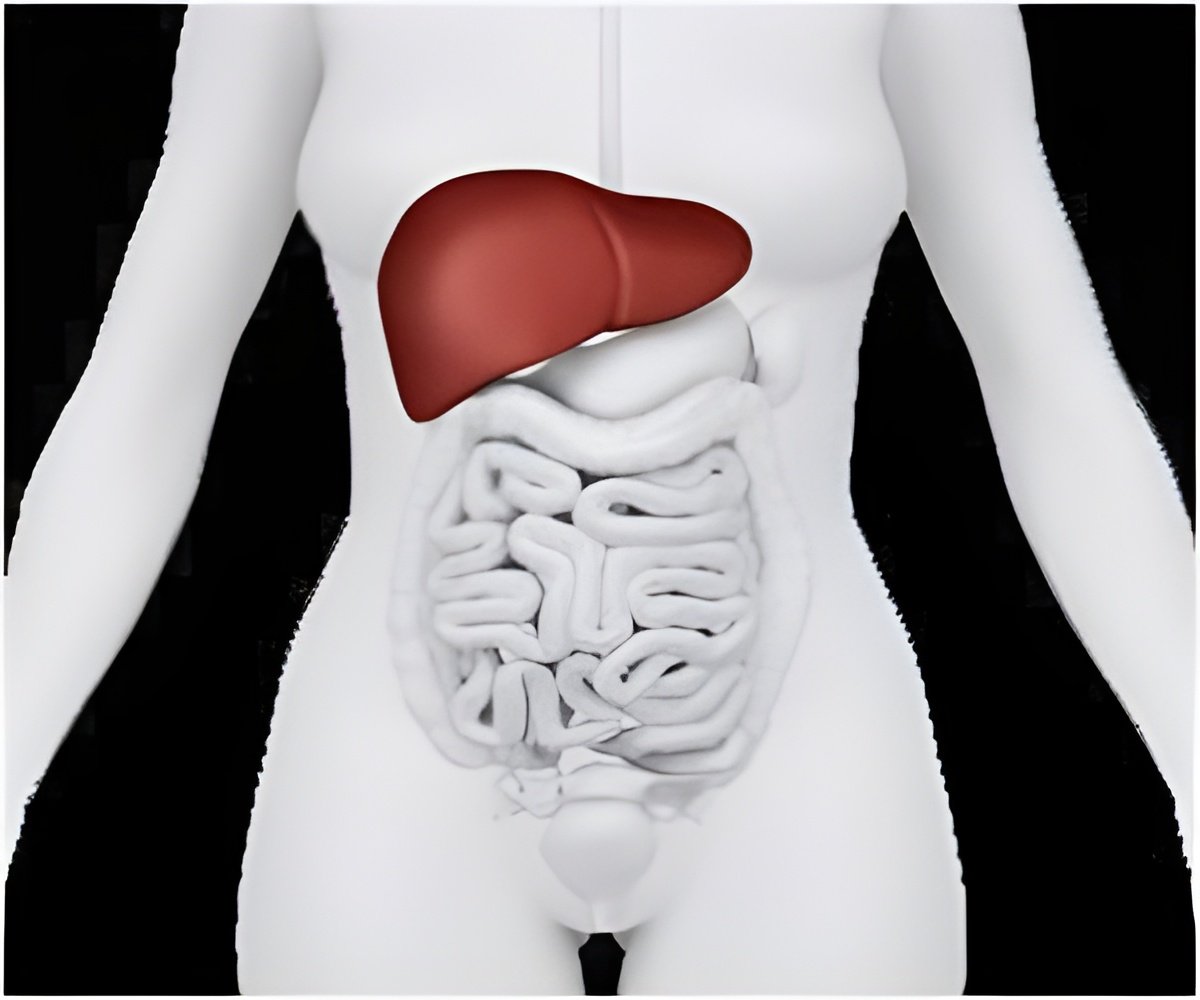
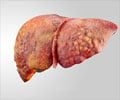
Liver Cancer - Types, Causes, Symptoms, Diagnosis, Treatment, Prevention, Progosis
Liver or hepatic cancer is an abnormal growth of cells in the liver. The leading cause of the disease is cirrhosis or scarring of the liver tissue.
Liver or hepatic cancer is an abnormal growth of cells in the liver. The leading cause of the disease is cirrhosis or scarring of the liver tissue.
TOP INSIGHT

The new algorithm is based on commonly used scales to assess disease severity including Child-Pugh Score, Model for End-Stage Liver Disease and the CLIF-SOFA-score.
ACLF is distinct from severe liver damage (decompensated cirrhosis) as organ failure and mortality rates are high. Furthermore, patients with ALCF tend to be younger, have more scarring of the liver as a result of alcohol, and have less liver scarring as a result of Hepatitis C virus, compared to those with decompensated cirrhosis.
"When patients are very ill, physicians must ensure that our concern for the patient should not result in the recommendation of treatment that will be of no benefit," said Dr Katrine Lindvig, Department of Gastroenterology and Hepatology, Odense University Hospital, Odense, Denmark and lead study author. "We now have well validated data that allows us to more accurately predict who is likely to benefit from treatment compared with previous measures."
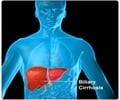
Biliary Cirrhosis - Symptoms - Diagnosis - Complications - Treatment - Video
Biliary cirrhosis occurs due to obstruction to the flow of bile through bile ducts either within the liver or outside the liver.
Biliary cirrhosis occurs due to obstruction to the flow of bile through bile ducts either within the liver or outside the liver.
The algorithm correctly predicted outcomes in 96% of cases and an odds ratio (a measure of association) for death of 4.7 (2.50-9.05 95% confidence interval).
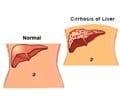
Alcoholic Liver Disease - Causes Symptoms Diagnosis Treatment FAQs
Encyclopedia section of medindia gives general information about Alcoholic Liver Disease.
Encyclopedia section of medindia gives general information about Alcoholic Liver Disease.
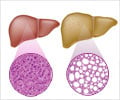
Fatty Liver Disease: A Growing Health Problem in India - Causes, Symptoms, Diagnosis, Treatment
Non alcoholic fatty liver disease (NAFLD) is the leading cause of liver dysfunction worldwide and is a rapidly growing health problem in India.
Non alcoholic fatty liver disease (NAFLD) is the leading cause of liver dysfunction worldwide and is a rapidly growing health problem in India.
 Email
Email