MEDINDIA
 English
 हिन्दी
 Español
 français
 中文
中文
Chemotherapy-induced peripheral neuropathy is a common side effect in cancer patients. Neurofeedback was found to ease pain and improve quality of life.

India to Host World's First Neuropathy Conference Devoted to Research and Treatment
India will host the first international three-day conference on neuropathic pain where health experts from 22 countries will participate in the conference.
India will host the first international three-day conference on neuropathic pain where health experts from 22 countries will participate in the conference.
TOP INSIGHT

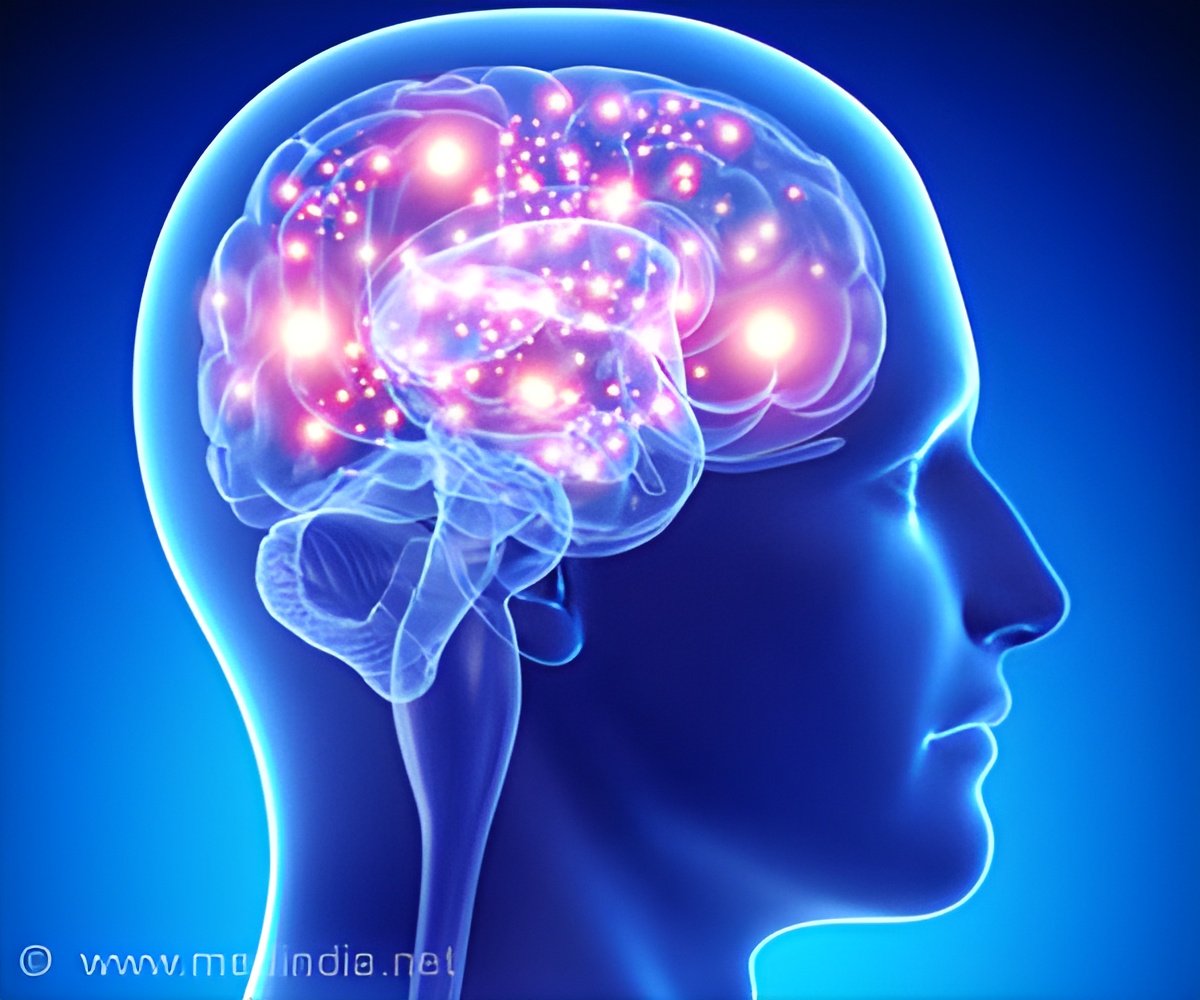
Neurofeedback is a technique in which the brain improves its function. This improves chronic chemotherapy-induced peripheral neuropathy symptoms.
Chronic chemotherapy-induced peripheral neuropathy (CIPN) is a common side effect of chemotherapy, often affecting 71 to 96 percent of patients after a month of chemotherapy treatment. Peripheral neuropathy is a set of symptoms such as pain, burning, tingling and loss of feeling caused by damage to nerves that control the sensations and movements of our arms and legs.
Neuroplasticity is the ability of the brain to form new connections and change existing ones. This study demonstrated that neurofeedback induces neuroplasticity to modulate brain activity and improve CIPN symptoms.

High-Cost Screening in Neuropathy Patients
The tremendous cost of diagnosing peripheral neuropathy has been analyzed by researchers at the University of Michigan.
The tremendous cost of diagnosing peripheral neuropathy has been analyzed by researchers at the University of Michigan.
Study participants completed assessments that determined the brain activity related to their pain, pain perception and quality of life. Those were then randomized to receive neurofeedback, or to a control group that did not receive treatment. Patients in the neurofeedback group attended 20 sessions of neurofeedback training where they played a computer game that rewarded them when they modified their brainwave activity in the affected area. They then learned to modify the activity without an immediate reward from the game.
Research Sheds Light on Critical Illness Polyneuropathy and Myopathy
Research has shown that critical illness polyneuropathy and critical illness myopathy are frequent complications of severe illness.
Research has shown that critical illness polyneuropathy and critical illness myopathy are frequent complications of severe illness.
After treatment, 73 percent saw improvement in their pain and quality of life. Patients with CIPN also exhibited specific and predictable EEG signatures that changed with neurofeedback.

Molecular Pathology of Giant Axonal Neuropathy Demystified
One of the rare genetic disorders, giant axonal neuropathy (GAN) causes central and peripheral nervous system dysfunction.
One of the rare genetic disorders, giant axonal neuropathy (GAN) causes central and peripheral nervous system dysfunction.
The study will be presented at the annual meeting of the American Psychosomatic Society, held March 9-12 in Denver, Colorado.
Source-Newswise
 Email
Email