MEDINDIA
 English
 हिन्दी
 Español
 français
 中文
中文
A cell receptor widely involved in intracellular calcium signaling - the IP3R receptor - can be locked into a closed state by enzyme action.
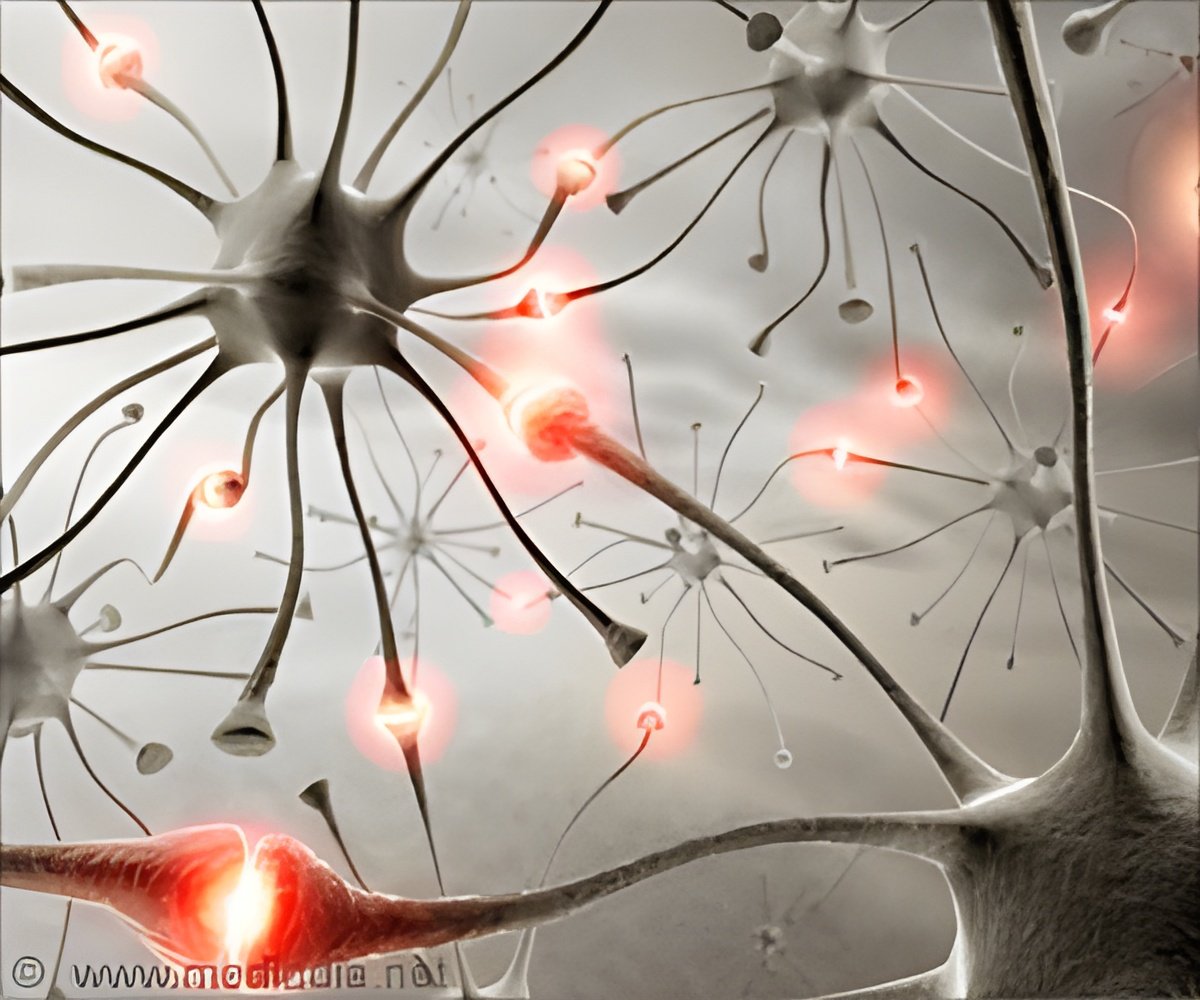
Exposure to Environmental Enrichment can Induce Maturity of Newborn Neurons
A lot of studies have shown that exposure to environmental enrichment can induce neurogenesis of the hippocampal region, thus improving memory and learning.
A lot of studies have shown that exposure to environmental enrichment can induce neurogenesis of the hippocampal region, thus improving memory and learning.
In this work, the scientists propose a general model under which abnormal IP3R-mediated calcium signaling caused by the action of transglutamase type 2 leads to cellular dysfunction and subsequently to the emergence of progressive brain dysfunction. Transglutaminase 2 activation is commonly associated with inflammation and stress, and its action on the IP3R channel might provide an explanation for the initiation and progression steps common to different neurodegenerative diseases.
According to Katsuhiko Mikoshiba, who led the study, "We think that the mechanism we identified in this study could provide us with a more general model of other diseases both of the brain and other parts of the body, where transglutaminase type 2 is upregulated. We hope that this insight could eventually lead to the development of new drug therapies for a number of neurodegenerative diseases that place a high burden on patients and society."
Study Sheds New Light on How Magnetic Stimulation Affects Neurons in Brain
Researchers have for the first time managed to shed light on the neuronal effects of magnetic stimulation.
Researchers have for the first time managed to shed light on the neuronal effects of magnetic stimulation.

Parkinson’s Disease - Causes, Symptoms, Diagnosis, Treatment
Parkinson’s disease is a neurodegenerative disease caused by progressive dopamine brain cells loss. Symptoms of Parkinson’s disease are correctable to an extent.
Parkinson’s disease is a neurodegenerative disease caused by progressive dopamine brain cells loss. Symptoms of Parkinson’s disease are correctable to an extent.

Eat Well Otherwise the Brain Will Start Eating Itself!
Starvation dieting can trigger auto-cannibalism in the Brain, reports an article in Cell Metabolism.
Starvation dieting can trigger auto-cannibalism in the Brain, reports an article in Cell Metabolism.
 Email
Email