MEDINDIA
 English
 हिन्दी
 Español
 français
 中文
中文
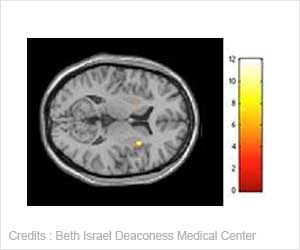
Researchers have for the first time managed to shed light on the neuronal effects of magnetic stimulation.
About Magnetic Resonance Imaging(MRI)
Encyclopedia section of medindia gives general info about Magnetic Resonance Imaging
Encyclopedia section of medindia gives general info about Magnetic Resonance Imaging
Chances for Patients The increased neuronal excitability may be utilised to effect specific reorganisation of cell connections by means of targeted learning processes. For example, through visual training after TMS, the ability to identify image contours improves; moreover, a combination of these methods enhances contrast perception in patients with amblyopia - a disorder of sight acquired during child development.For many neurological diseases of the brain, such as epilepsy, depression and stroke, specific models have been developed. "Deployed in animal testing, our technology has delivered high spatiotemporal resolution imaging data of cortical activity changes," says Dirk Jancke. "We are hoping that these data will enable us to optimise TMS parameters and learning processes in a targeted manner, which are going to be used in future to adapt this technology for medical treatment of humans."

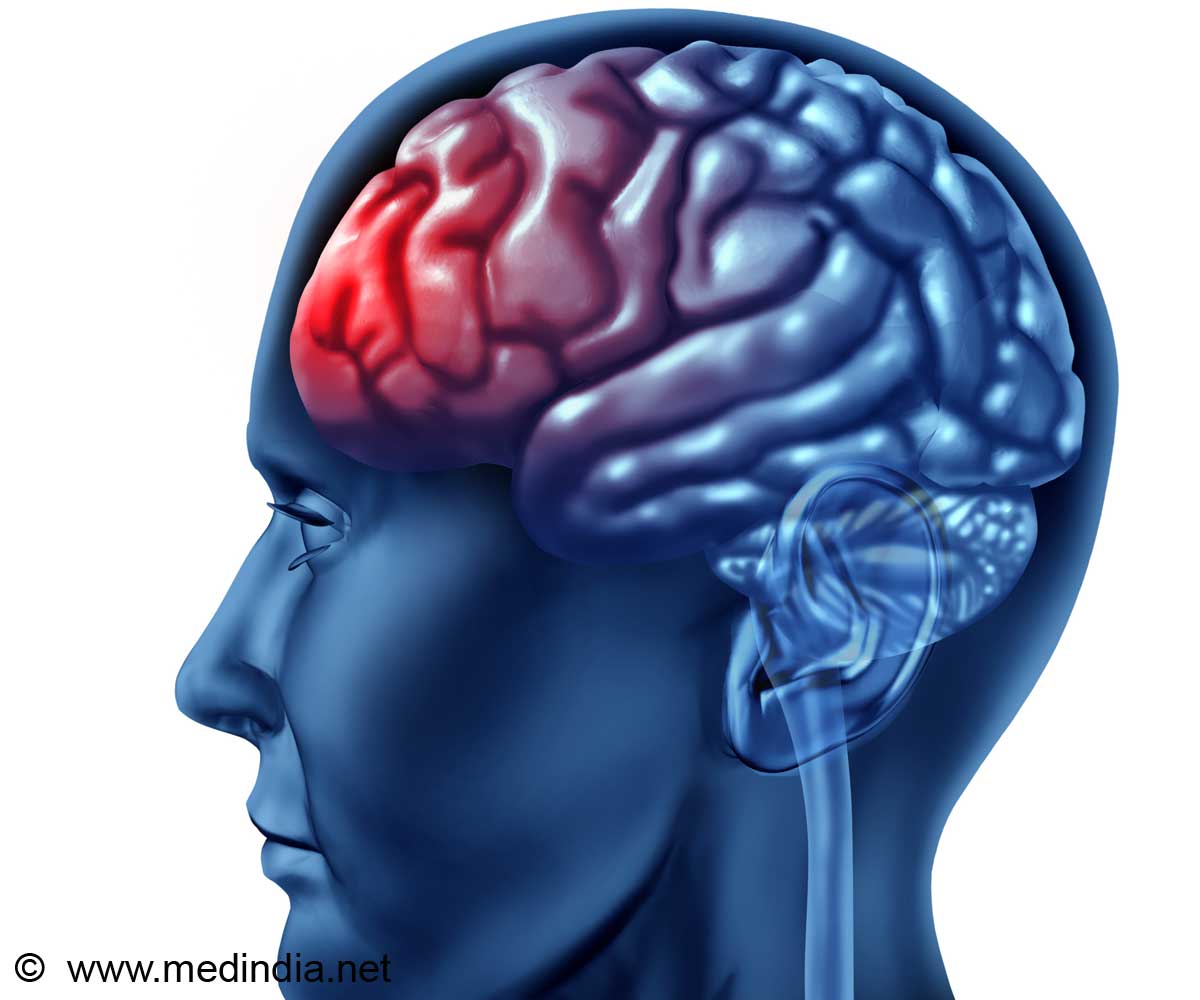
About Brain Tumor
Brain tumors are the abnormal growth of brain cells that may be benign or metastatic. Brain tumors account for about 2.4% of all the tumor diagnosesandare most challenging due to their critically delicate location.
Brain tumors are the abnormal growth of brain cells that may be benign or metastatic. Brain tumors account for about 2.4% of all the tumor diagnosesandare most challenging due to their critically delicate location.

Brain Food
It is a myth that the brain quits generating new cells once you reach adulthood. They are regenerating all the time.
It is a myth that the brain quits generating new cells once you reach adulthood. They are regenerating all the time.
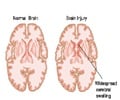
Head Injury | Brain Injury Overview Types Causes Symptoms Diagnosis Treatment
Head injury or traumatic brain injury is a leading cause of disability among children and young adults that leads to varying degrees of physical and mental stability. Fortunately, it is also one of the preventable brain disorder.
Head injury or traumatic brain injury is a leading cause of disability among children and young adults that leads to varying degrees of physical and mental stability. Fortunately, it is also one of the preventable brain disorder.
 Email
Email