MEDINDIA
 English
 हिन्दी
 Español
 français
 中文
中文
Development of resilience to stress can be measured and controlled by neural mechanisms in the brain and body.

How Does The Body React To Stress
Physical symptoms of stress on the body are varied, ranging from hormonal changes to changes in the nervous system, manifesting as the flight-fight-freeze response.
Physical symptoms of stress on the body are varied, ranging from hormonal changes to changes in the nervous system, manifesting as the flight-fight-freeze response.
TOP INSIGHT

Development of resilience to stress can be measured and controlled by neural mechanisms in the brain and body according to a new study.
However, the elimination of these neurons leads to depression-like behavior.
Stress and Resilience

How to Handle Depression and Stress while Going Through a Divorce?
Divorce or breakup can be stressful and cause anxiety, depression and panic. Simple ways can help you deal with depression triggered by loss of marriage.
Divorce or breakup can be stressful and cause anxiety, depression and panic. Simple ways can help you deal with depression triggered by loss of marriage.
- In rats who exhibit high anxiety and passive coping behavior, biological sex moderates the presence of resilience and active coping styles in adulthood after adolescent stress.
- Exposure to stress (PTSD-prone rats) significantly alters the gut microbiota with higher urinary adrenaline.
“Stress affects us in many ways, and these studies show us that resilience is also multi-faceted. Discovering the brain mechanisms of resilience is arguably the holy grail of psychiatry. These findings will contribute to new treatments for PTSD and other anxiety and mood disorders,” says press conference moderator Martha Farah, Walter H. Annenberg Professor in Natural Sciences and director of the Center for Neuroscience & Society at the University of Pennsylvania.

Post Traumatic Stress Disorder (PTSD) - Causes, Symptoms, Risk Factors, Complications, Dignosis, Treatment
Post Traumatic Stress Disorder (PTSD), is a mental condition triggered by a traumatic event. PTSD treatment includes pyschotherapy, behavior therapy and medications.
Post Traumatic Stress Disorder (PTSD), is a mental condition triggered by a traumatic event. PTSD treatment includes pyschotherapy, behavior therapy and medications.
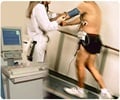
Exercise Stress Test / Treadmill Test-Performed-Prepare-Interpreting
A stress test is used to test for heart disease. Exercise stress test is also called exercise electrocardiogram, treadmill test, graded exercise test, or stress ECG.
A stress test is used to test for heart disease. Exercise stress test is also called exercise electrocardiogram, treadmill test, graded exercise test, or stress ECG.
 Email
Email