MEDINDIA
 English
 हिन्दी
 Español
 français
 中文
中文
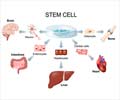
Nanogels which are initially liquid but then turn into a soft gel when at body temperature embedded with stem cells can help treat heart attack patients.


What is a Heart Attack | How to Prevent Heart Attacks - Myocardial Infraction Smoking
Heart attack is the death of the heart muscle due to loss of blood supply. Simple guidelines to avoid heart attack are listed.
Heart attack is the death of the heart muscle due to loss of blood supply. Simple guidelines to avoid heart attack are listed.
TOP INSIGHT

Stem cells encapsulated in inexpensive hydrogels with designed tiny pores increased cell retention and regeneration in walls of the heart.
Another treatment option being explored is injectable hydrogels, substances that are composed of water and a polymer. Naturally occurring polymers such as keratin and collagen have been used but they are expensive, and their composition can vary between batches.
So Ke Cheng, Hu Zhang, Jinying Zhang and colleagues wanted to see whether placing stem cells in inexpensive hydrogels with designed tiny pores that are made in the laboratory would work.

Tips to Prevent Heart Attacks
Heart Attack occurs when the flow of oxygenated blood to heart muscles is hindered or stopped due to built-up of plaques in coronary arteries. Heart Attack is the No.1 killer among Indians.
Heart Attack occurs when the flow of oxygenated blood to heart muscles is hindered or stopped due to built-up of plaques in coronary arteries. Heart Attack is the No.1 killer among Indians.
When these enveloped cells were injected into mouse and pig hearts, the researchers observed increased cell retention and regeneration compared to directly injecting just the stem cells. In addition, the heart walls were strengthened. Finally, the group successfully tested the encapsulated stem cells in mouse and pig models of myocardial infarction.

Heart Attack - Overview
Heart attack is the death of the heart muscle due to loss of blood supply. Heart disease is the leading cause of death in the United States. Other names for heart attack include acute myocardial infarction, coronary thrombosis, and coronary occlusion.
Heart attack is the death of the heart muscle due to loss of blood supply. Heart disease is the leading cause of death in the United States. Other names for heart attack include acute myocardial infarction, coronary thrombosis, and coronary occlusion.

 Email
Email