MEDINDIA
 English
 हिन्दी
 Español
 français
 中文
中文
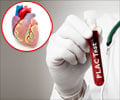
Researchers suggest that the development of a new technology can help cardiologists prevent blood clots

What is a heart attack / How to prevent heart attacks
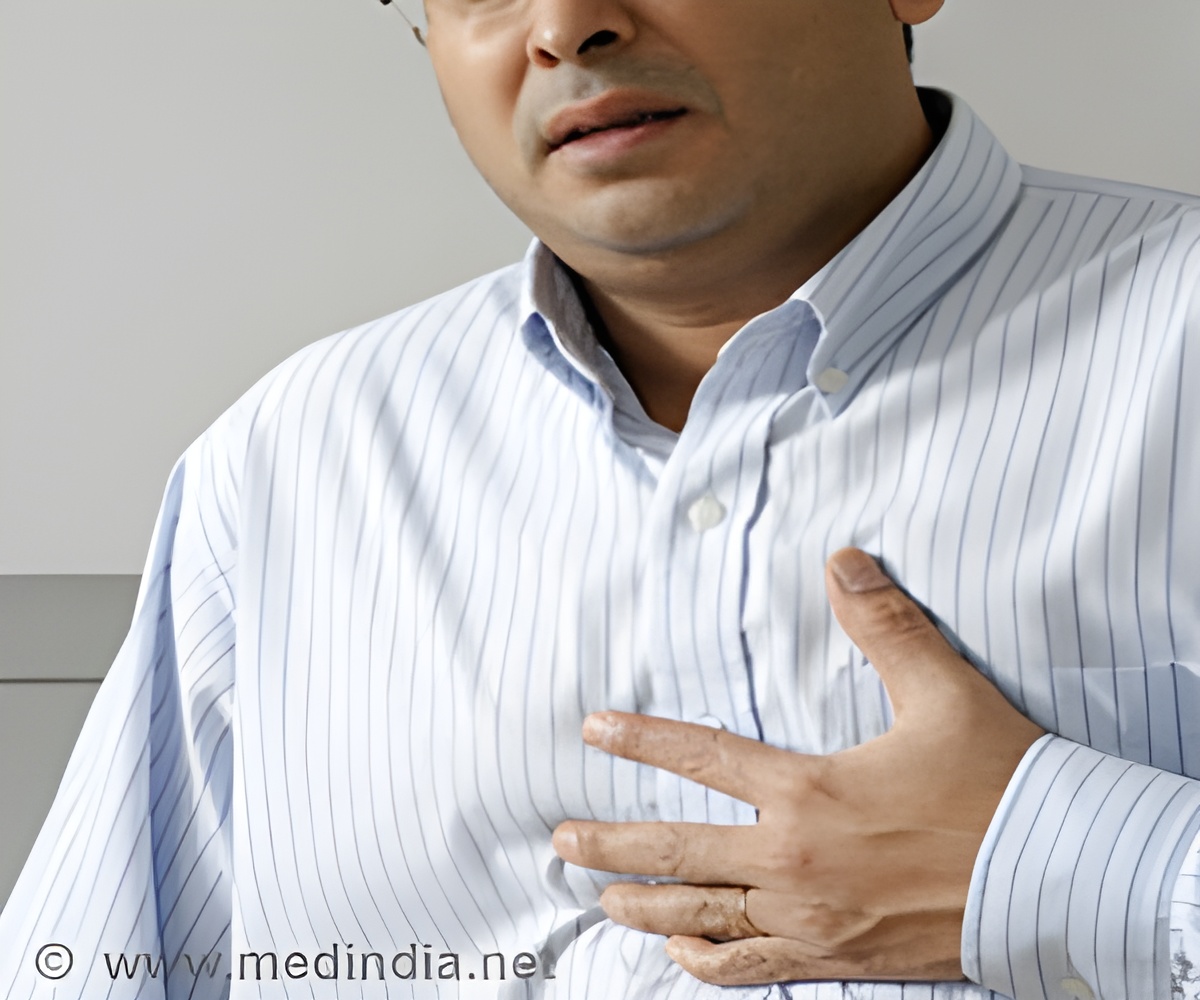
Heart attack is the death of the heart muscle due to loss of blood supply. Simple guidelines to avoid heart attack are listed.
Heart attack is the death of the heart muscle due to loss of blood supply. Simple guidelines to avoid heart attack are listed.
"We envision that a safe and effective HDL nanotherapy could substantially lower cardiovascular events during the critical period of vulnerability after a heart attack or stroke," says Dr. Mulder.
"While we have much more to do to confirm clinical benefit in patients, our study shows how this nanotherapy functions biologically, and how this novel concept could potentially also work in the clinical setting to solve a critical problem," says Dr. Mulder. "This nanotherapy would be the first of its kind."
Congestive Heart Failure (Congestive Cardiac Failure) Current Management
Congestive heart failure (CHF) is a condition in which the heart fails to work adequately as a pump that can deliver oxygen rich blood to the body.
Congestive heart failure (CHF) is a condition in which the heart fails to work adequately as a pump that can deliver oxygen rich blood to the body.
The research team, led by two PhD graduate students as first authors — Raphael Duivenvoorden, MD, and Jun Tang, MS— fashioned the nanoparticle to resemble an HDL cholesterol particle. In fact, the nanoparticle binds on to the same receptors as natural HDL in order to deliver the statin drug.

Diet from Crete for Healthy Heart
Mediterranean diets, special attention has been given to the traditional Greek Cretan diet. It emphasises the consumption of olive oil, whole grains, pulses, wild greens, herbs and fruits.
Mediterranean diets, special attention has been given to the traditional Greek Cretan diet. It emphasises the consumption of olive oil, whole grains, pulses, wild greens, herbs and fruits.
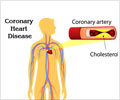
Inflammation is the main driver of plaque buildup in arteries. Without inflammation, as well as lipid deposition in blood vessels, clots would not form. As inflammation progresses, macrophages secrete enzymes that degrade the walls of blood vessels, leading to a break in the vessel and the formation of clots. These clots can then clog arteries, leading to a heart attack or stroke.
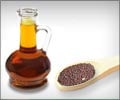
Health Benefits of Mustard Oil | Mustard Oil for Healthy Heart
Mustard oil has an appropriate amount of MUFA and PUFA, which is good for health. It cuts risk of cardiovascular diseases and is good for massaging.
Mustard oil has an appropriate amount of MUFA and PUFA, which is good for health. It cuts risk of cardiovascular diseases and is good for massaging.
Source-Eurekalert
 Email
Email