MEDINDIA
 English
 हिन्दी
 Español
 français
 中文
中文
Myc inhibition could be used as a therapeutic strategy in glioma - a highly aggressive tumor type that notoriously outsmarts current anti-cancer therapies.
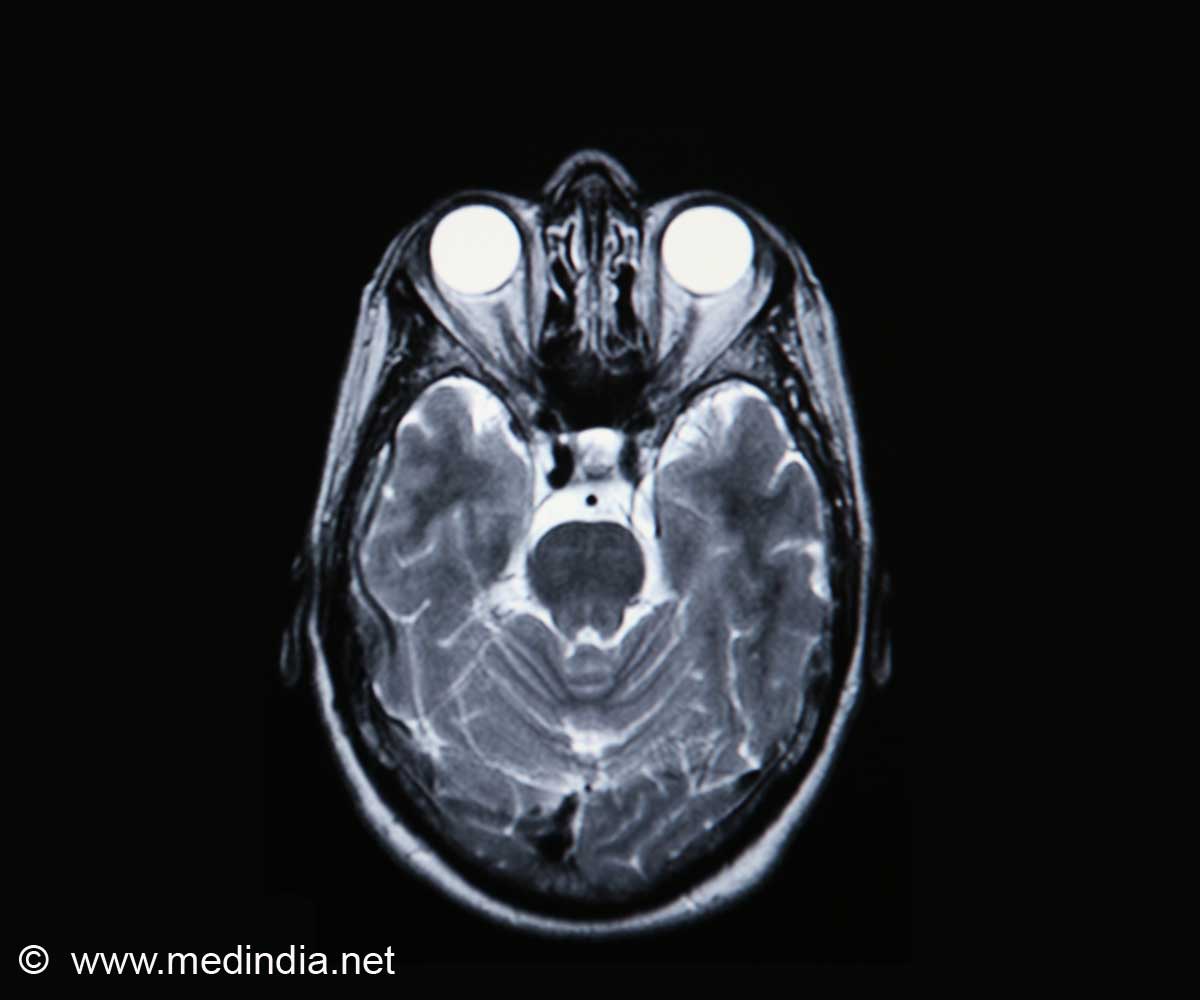

Glioma Brain Tumor
Democrat Senator Edward Kennedy has been diagnosed with Glioma, a kind of brain tumor. Tests carried out on the 76 -year old politician revealed a tumor on his left parietal lobe.
Democrat Senator Edward Kennedy has been diagnosed with Glioma, a kind of brain tumor. Tests carried out on the 76 -year old politician revealed a tumor on his left parietal lobe.
It seems that Soucek's group has now found answers to all these questions. "All our efforts must now concentrate on finding a means for its pharmacological administration. Based on our research currently underway, we have every reason to be optimistic" asserts Soucek.
A novel therapy for the most common and aggressive brain tumor After four years´ exhaustive research, these latest results bring more good news and with them, preclinical Myc inhibition has also been validated as a therapeutic strategy against astrocytoma, a type of glioma, in vivo in mouse models and in vitro in stem cells of these tumors. In these models, which develop advanced brain tumors with clear neurological symptoms, treatment with the Omomyc transgene drastically reduces tumors and improves the associated symptoms until the mouse recovers and starts to act completely normally. Mice treated with Omomyc survived, whereas those without, did not.

Top Ten Facts About Brain Tumors
Quick valuable reference that enlists interesting facts about brain tumors.
Quick valuable reference that enlists interesting facts about brain tumors.
"Our results undoubtedly show that Myc inhibition is effective in mouse tumors and, more notably, in human glioma." she explains. The group has demonstrated the additional therapeutic potential of Omomyc thanks to their clinically orientated approach aimed against the most common and aggressive primary tumor to affect the adult central nervous system – glioblastoma, for which there is a critical call to improve current therapies which are largely ineffective. "This is the very first time that the use of Omomyc in human tumor specimens have been validated. We have also confirmed that Myc inhibition is effective against the tumor once it has developed, acts against tumor initiating cells, and prevents them from dividing, proliferating and forming the tumor again." continues Dr. Soucek.

Tissue Factor Pathway Inhibitor-2 may Protect Against Cervical Cancer
Tissue factor pathway inhibitor-2 may play a role in preventing the development of cervical cancer. The expression was found to be reduced in patients with cervical cancer.
Tissue factor pathway inhibitor-2 may play a role in preventing the development of cervical cancer. The expression was found to be reduced in patients with cervical cancer.
Brain tumors can now be added to this list of potential tumors that can be targeted with Myc inhibition.

Lung Cancer - Types, Causes, Symptoms, Diagnosis, Treatment and Prevention
Lung cancer is a malignant tumor in the lung tissues. Smoking is the main cause of lung cancer with symptoms like recurrent respiratory diseases.
Lung cancer is a malignant tumor in the lung tissues. Smoking is the main cause of lung cancer with symptoms like recurrent respiratory diseases.
Source-Eurekalert
 Email
Email