MEDINDIA
 English
 हिन्दी
 Español
 français
 中文
中文
Over 80 percent of youth do not use any tobacco and over 86 percent don't vape, and among the minority who do vape, most are not regular users, stated new study.

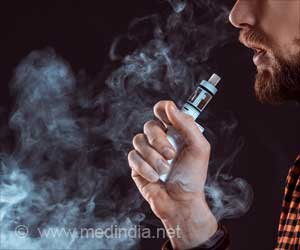
Vaping Prevention Program Lowers Use in School Students
New study done by the team of researchers from the University of Texas health science center (UTHealth) at Houston concludes that vaping prevention program significantly reduces use in middle school students.
New study done by the team of researchers from the University of Texas health science center (UTHealth) at Houston concludes that vaping prevention program significantly reduces use in middle school students.
TOP INSIGHT

Fears of a youth vaping epidemic may be overblown.
While the FDA and CDC's National Youth Tobacco Survey has shown a concerning increase in youth vaping in recent years, little is known about the frequency with which youth use e-cigarettes--if it's an occasional occurrence or a daily habit--as well as whether they also use more harmful smoked tobacco products like cigarettes and inexpensive cigars or cigarillos.
In this study, the researchers analyzed the 2018 National Youth Tobacco Survey in which more than 20,000 middle and high school students were asked about their use of various tobacco and vaping products in the past 30 days. The analysis was conducted on the 2018 survey, the latest available full data set; the 2019 National Youth Tobacco Survey, which showed that youth vaping continued to grow from 2018 to 2019, has not yet been made available for public analysis.

E-Cigarette's Popularity Rising on Instagram Despite FDA's Anti-Vaping Content
Instagram influencers appear to be dampening FDA's campaign against vaping as a new study finds that Pro-vaping Instagram posts far outweigh FDA's e-cigarette awareness campaign hashtag,
Instagram influencers appear to be dampening FDA's campaign against vaping as a new study finds that Pro-vaping Instagram posts far outweigh FDA's e-cigarette awareness campaign hashtag,
"The faster drop in smoking suggests vaping is helping displace youth use of much more deadly smoking--a net harm reduction benefit to the population as a whole," said David Abrams, a professor of social and behavioral sciences at NYU School of Global Public Health and a study coauthor.

'Vaping' Raises The Chances of Asthma and COPD
Odds of asthma and chronic obstructive pulmonary disease increased by smoking heated tobacco vapor through e-cigarettes.
Odds of asthma and chronic obstructive pulmonary disease increased by smoking heated tobacco vapor through e-cigarettes.
Critically, the majority of youth vapers also use or have used more deadly tobacco products (60 to 88.9 percent, depending on the frequency of vaping). While there has been fear that e-cigarettes are introducing nicotine to many young people who otherwise would not have smoked, the data show otherwise--only a small proportion of tobacco-naïve youth report vaping.
Number of Youth Who Start Vaping at 14 Yrs Before Has Tripled: Study
Number of US youngsters who begin vaping at age 14 or younger has tripled in the last five years, reveals a new study.
Number of US youngsters who begin vaping at age 14 or younger has tripled in the last five years, reveals a new study.
"This study provides us with a better understanding of youth vaping patterns, which is critical for creating effective public health policies around nicotine and tobacco.
Reacting too quickly to reports of youth vaping without considering the full context could do more harm than good," added Abrams. "We need to avoid prohibitionist regulations like banning e-cigarettes--while leaving much more deadly cigarettes and cigars in corner stores--and instead should consider strong enforcement of age 21 sales restrictions. Prohibition creates a black market for vaping products or inadvertently pushes individuals back to smoking tobacco."
Source-Eurekalert
 Email
Email