MEDINDIA
 English
 हिन्दी
 Español
 français
 中文
中文
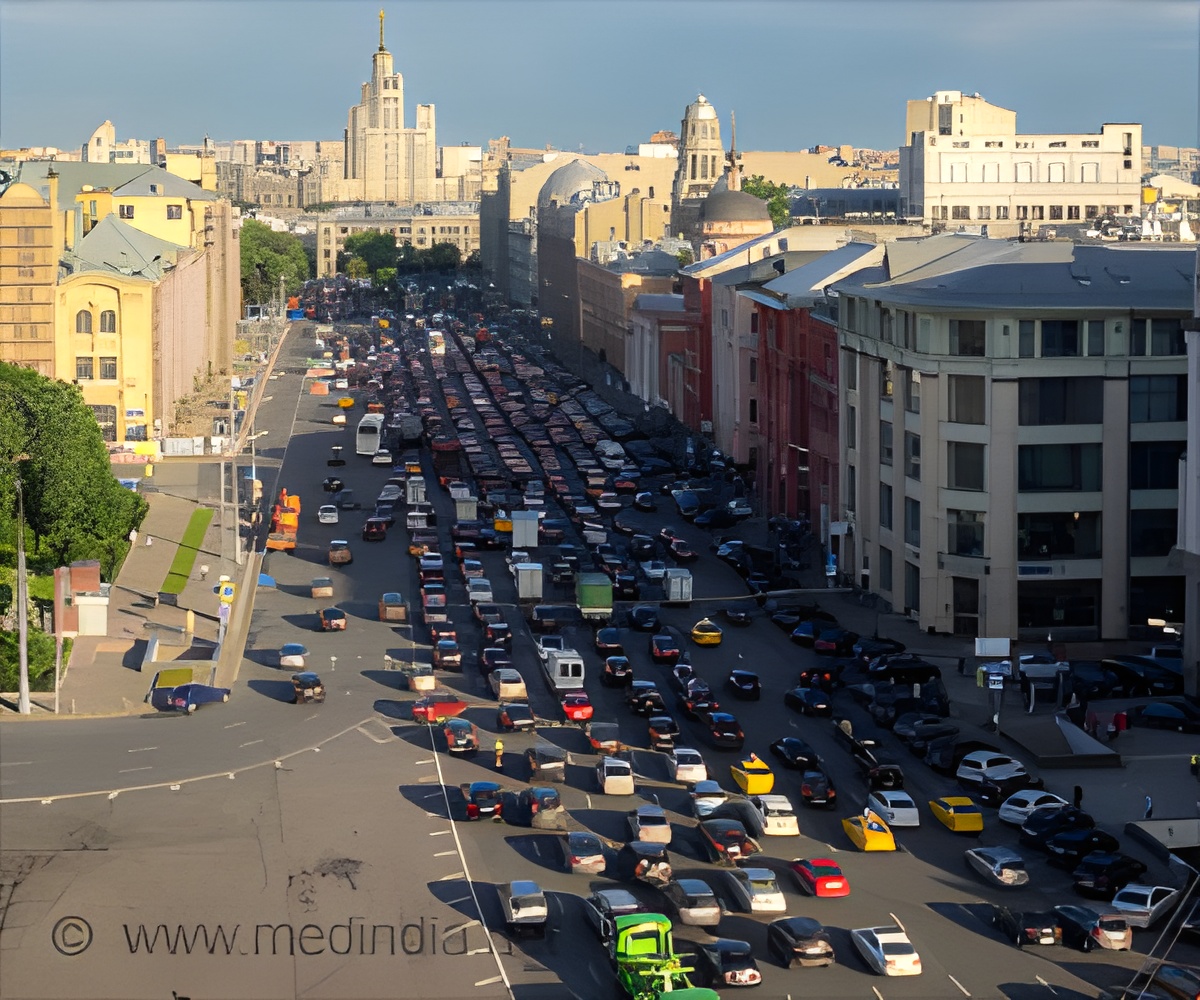
Even during monsoon which is considered the best season in terms of air quality, the concentration of air pollution was high in Delhi.
Air Pollution - Pollutants - Health Effect - Efforts to Reduce
Nearly 2.4 million deaths every year are attributable to air pollution. Air pollutants may be solid particles, liquid droplets or gases. Proper planning methods should be adopted to reduce air pollution.
Nearly 2.4 million deaths every year are attributable to air pollution. Air pollutants may be solid particles, liquid droplets or gases. Proper planning methods should be adopted to reduce air pollution.
TOP INSIGHT

The World Health Organization had already declared Delhi as the world's most polluted city in 2014, and new data suggest that Delhiites would not be getting any respite from the toxic air, even after the monsoon season.
The survey was conducted after a similar report published by the US embassy this year examining pollution level during monsoon.
It was found that there was an increase in the concentration of air pollution in many cities, including Delhi, even during monsoon which is considered the best season in terms of air quality.

Traffic Related Air Pollution Causes Autism in Infants
Autism is characterized by developmental disturbances in social interaction, behavior and language. Air pollutants exposure can lead to autism development in infants and during pregnancy.
Autism is characterized by developmental disturbances in social interaction, behavior and language. Air pollutants exposure can lead to autism development in infants and during pregnancy.
According to him, there has been a rise in the number of patients with respiratory allergy.
Air Pollution and Cancer Incidence: a Danish Cohort Study
Air pollution is on the increase and so are the associated risks. A recently published study links air pollution near residence and cancer.
Air pollution is on the increase and so are the associated risks. A recently published study links air pollution near residence and cancer.
According to a new WHO report on ambient air pollution level, Delhi is the most polluted city in the world following Riyadh in Saudi Arabia.

COPD Symptoms Worsen With High Indoor Temperatures and Pollution Levels
High indoor temperatures and pollution worsen chronic obstructive pulmonary disease symptoms, and keeping indoor climate to optimum may improve health outcome.
High indoor temperatures and pollution worsen chronic obstructive pulmonary disease symptoms, and keeping indoor climate to optimum may improve health outcome.
"The pollution level in Delhi is at its worst, and even monsoon has failed to clean the air. Due to continuous rise in dangerously high levels of air pollution even after monsoon, it is giving no respite from respiratory problems. We recorded a high demand of indoor purifiers even during this season," said Vijay Kannan, India Head of Blueair air purifiers.
Source-IANS
 Email
Email