MEDINDIA
 English
 हिन्दी
 Español
 français
 中文
中文
Since the elimination of the kidney allocation priority for matching for HLA-B on May 7, 2003, access to kidney transplantation for minorities has been improved, says a new study


About Transplantation
Since the early times, the novel idea of transplanting tissues and other body parts from one organism to the other has captured the imagination of successive generations.
Since the early times, the novel idea of transplanting tissues and other body parts from one organism to the other has captured the imagination of successive generations.
Results found that since the change in the kidney allocation policy, minorities are now transplanted in proportion to the percentage by which they are added to the waiting list. In the six years before and after the policy change, the overall number of deceased donor transplants rose 23%, with a larger increase for minorities (40%) and a smaller increase for non-Hispanic whites (8%).
"The current policy, which offers no allocation priority for HLA-B similarity and gives only one and two points for matches at HLA-Dr, has improved access to transplantation for all minority groups and has not been associated with a decrease in 2-year graft survival during the first six years following the policy change," Ashby concludes.
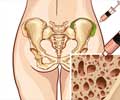
Bone Marrow Transplantation - Types - Procedure - Indications - Complications
Preferred Term is Hematopoietic stem cell transplantation. In this stem cell from bone marrow are injected into a recipient after treating them with growth factor.
Preferred Term is Hematopoietic stem cell transplantation. In this stem cell from bone marrow are injected into a recipient after treating them with growth factor.
Source-Eurekalert
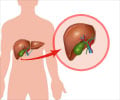
Liver Transplantation - Facts, Contraindications, Procedure, Follow up, Complications & Prognosis
Liver transplantation is a surgical option for the treatment of liver failure where the diseased liver is replaced with a healthy one.
Liver transplantation is a surgical option for the treatment of liver failure where the diseased liver is replaced with a healthy one.
 Email
Email