MEDINDIA
 English
 हिन्दी
 Español
 français
 中文
中文
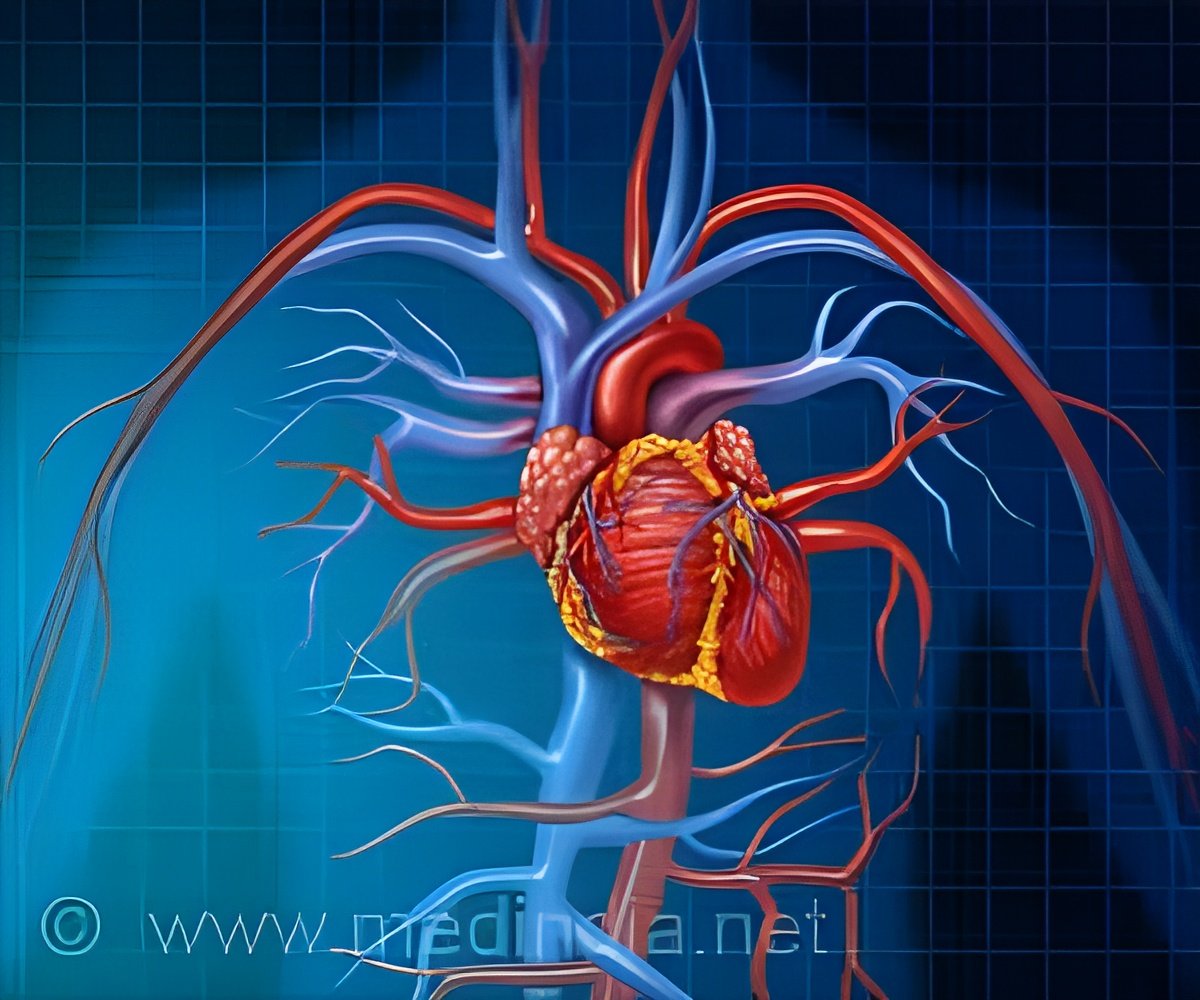
microRNAs, the small molecules that regulate gene function and are abundant in developing hearts -- help revive the heart’s regenerative capacities.

What is a Heart Attack | How to Prevent Heart Attacks - Myocardial Infarction Smoking
Heart attack is the death of the heart muscle due to loss of blood supply. Simple guidelines to avoid heart attack are listed.
Heart attack is the death of the heart muscle due to loss of blood supply. Simple guidelines to avoid heart attack are listed.
TOP INSIGHT

New research advances the possibility of regenerating cardiac tissue after a heart attack.
In 2013, Da-Zhi Wang, PhD, a cardiology researcher at Boston Children's Hospitaland a professor of pediatrics of Harvard Medical School, identified a family of microRNAs called miR-17-92 that regulates proliferation of cardiomyocytes.
Short- and long-term protection

Test Your Knowledge on Coronary Heart Disease
Coronary heart disease is a direct consequence of today’s unhealthy lifestyle and food habits, which include a high-fat diet, inadequate exercise and loads of stress. Coronary heart disease is emerging as an epidemic of the modern world, affecting younger individuals and extending to poorer countries as well. Here is a quiz that will test your knowledge on basic terminology used in coronary heart disease.
Coronary heart disease is a direct consequence of today’s unhealthy lifestyle and food habits, which include a high-fat diet, inadequate exercise and loads of stress. Coronary heart disease is emerging as an epidemic of the modern world, affecting younger individuals and extending to poorer countries as well. Here is a quiz that will test your knowledge on basic terminology used in coronary heart disease.
Injected into mice after a heart attack -- either directly into the heart or systemically -- miR-19a/b provided both immediate and long-term protection. In the early phase, the first 10 days after heart attack, the microRNAs reduced the acute cell death and suppressed the inflammatory immune response that exacerbates cardiac damage. Tests showed that these microRNAs inhibited multiple genes involved in these processes.

Foods that Can Save Your Heart
Do you enjoy a glass of wine with your meal? If so it's good news for your heart!
Do you enjoy a glass of wine with your meal? If so it's good news for your heart!
"The initial purpose is to rescue and protect the heart from long-term damage," says Wang. "In the second phase, we believe the microRNAs help with cardiomyocyte proliferation."

Calculate Your Lifetime Risk of Heart Attack
Heart Risk Calculator assesses the lifetime risk for a heart attack and helps in making the right lifestyle choices to protect your heart.
Heart Risk Calculator assesses the lifetime risk for a heart attack and helps in making the right lifestyle choices to protect your heart.
Aside from regulating multiple genetic targets, microRNAs have another advantage as a therapy: unlike gene therapy, they don't linger in the heart.
"They go in very fast and do not last long, but they have a lasting effect in repairing damaged hearts," says Jinghai Chen, PhD, a former member of the Wang lab and co-corresponding author on the paper with Wang. (Chen is now on the faculty at the Institute of Translational Medicine, Zhejiang University, Hangzhou, China.) "We gave mice only one shot when the heart needed the most help, then so we kept checking expression level of miRNA19a/b post-injection. After one week, expression decreased to a normal level, but the protection lasted for more than one year."
Even when given systemically, the microRNAs tended to go to the site of heart damage. But Wang would like to optimize the specificity of the treatment, since the miRNAs can also affect other tissue and organs. The next step would be to test that treatment in a larger animal before advancing to studies in humans.
All of us make miR-19a/b to some degree, so the treatment would be boosting something we already have. "MicroRNAs hold tremendous promise to become powerful tools to battle cardiovascular disease," the researchers write.
Source-Eurekalert
 Email
Email