MEDINDIA
 English
 हिन्दी
 Español
 français
 中文
中文
Methods for preventing Lyme disease include preventing bites, controlling tick populations, and controlling the populations of other animals that ticks feed on.


Lyme Disease and Septic Arthritis Have Similar Symptoms
Lyme disease, an infection common in the northwest and northeast parts of the U.S. and caused by bacteria normally found in deer is treated with antibiotics.
Lyme disease, an infection common in the northwest and northeast parts of the U.S. and caused by bacteria normally found in deer is treated with antibiotics.
TOP INSIGHT

Homeowners can keep ticks out of their backyards through landscape management, insecticide applications, and suppression of tick hosts such as deer and small mammals, especially white-footed mice.
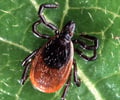
Methods for preventing Lyme disease include preventing bites, controlling tick populations, and controlling the populations of other animals that ticks feed on. Effective methods of preventing bites include wearing long-sleeves, socks, shoes, and some form of insect repellent. Clothing can also be treated with permethrin, an insecticide that kills ticks.
Homeowners can keep ticks out of their backyards through landscape management, insecticide applications, and suppression of tick hosts such as deer and small mammals, especially white-footed mice (Peromyscus leucopus). Landscape management options include removing leaf litter, which can reduce the abundance of host-seeking nymphs by nearly 80 percent, and burning vegetation. Since ticks tend to be more abundant around the edges of yards or in wooded areas surrounding yards, barriers made from substances like gravel or wood chips may prevent ticks from entering a yard, but more research is needed about the specifics.

Chronic Lyme Disease Remains Immune to Long-Term Antibiotic Treatment
Prolonged antibiotic therapy is not effective in treating patients with Chronic Lyme Disease, who exhibit persistent symptoms.
Prolonged antibiotic therapy is not effective in treating patients with Chronic Lyme Disease, who exhibit persistent symptoms.
Targeting the hosts of the blacklegged tick can also reduce tick numbers. Controlling deer populations and/or treating deer with acaricides (pesticides that kill ticks) can significantly reduce blacklegged tick populations. Likewise, treating white-footed mice with acaricides can be effective. One method involves supplying mice with cotton balls that have been treated with permethrin, which is applied to the mice when they use the cotton as nesting material.

Big Data and Patient-Powered Research Aim to Solve Chronic Lyme Disease
Over the past forty years, little has been learned about how to prevent, diagnose and effectively treat chronic Lyme disease.
Over the past forty years, little has been learned about how to prevent, diagnose and effectively treat chronic Lyme disease.

New Bacterial Species Identified That Causes Lyme Disease
Patients infected with B. mayonii will test positive for Lyme disease with currently available U.S. Food and Drug Administration-cleared Lyme disease tests.
Patients infected with B. mayonii will test positive for Lyme disease with currently available U.S. Food and Drug Administration-cleared Lyme disease tests.
 Email
Email