MEDINDIA
 English
 हिन्दी
 Español
 français
 中文
中文
Men with central adiposity (concentration of body fat around the belly and waist) are more likely to die of prostate cancer, reveals a new study.

Decipher Test for Prostate Cancer - Indications, Procedure & Results
Decipher test a genomic test for prostate cancer that determines the aggressiveness of the cancer and helps in planning the treatment course for the cancer.
Decipher test a genomic test for prostate cancer that determines the aggressiveness of the cancer and helps in planning the treatment course for the cancer.
TOP INSIGHT

Prostate cancer is the 2nd most common cause of cancer-specific death among men in the UK.
The study, conducted by Dr. Aurora Perez-Cornago and colleagues at the Cancer Epidemiology Unit, Nuffield Department of Population Health, University of Oxford, UK and funded by Cancer Research UK, aimed to understand how both total adiposity and the distribution of fat in the body relate to fatal prostate cancer.
The team selected 218,225 men who were voluntary participants in the UK Biobank study (500,000 volunteers age 40-69 years recruited between 2006 and 2010) who were free from cancer at the baseline date. Their health was followed for 10.8 years using data from health administrative databases, and details of body mass index (BMI), total body fat percentage (measured using bioimpedance), waist circumference, and waist-to-hip ratio were collected when each volunteer was recruited. Complex statistical analyses that accounted for medical history, and socioeconomic and lifestyle factors were used to estimate links between the risk of dying from prostate cancer and these measures of adiposity.
Drugs for Prostate Cancer - Treatment, Side Effects & Precautions
Prostate cancer is the main cause of cancer death in men. One of the treatment method includes prescribing chemotherapeutic or hormonal drugs. These are prescribed depending on the type and stage of cancer.
Prostate cancer is the main cause of cancer death in men. One of the treatment method includes prescribing chemotherapeutic or hormonal drugs. These are prescribed depending on the type and stage of cancer.
Dr. Perez-Cornago concludes: "We found a significant association between concentration of body fat around the belly and waist and the risk of prostate cancer death, but no clear association between total body fat and risk of prostate cancer death. However, a larger number of cases in this study, together with studies in other populations, are needed to confirm these findings."
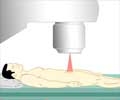
External Beam Radiation Therapy for Prostate Cancer
In depth information about various types of external beam radiotherapy for treatment of prostate cancer. Radiotherapy is an alternative to surgical treatment such as radical prostatectomy.
In depth information about various types of external beam radiotherapy for treatment of prostate cancer. Radiotherapy is an alternative to surgical treatment such as radical prostatectomy.
"Future work will examine associations between adiposity and aggressive types of prostate cancer, including advanced-stage and high-grade disease."
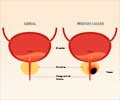
Prostate Cancer | Cancer of Prostate - Incidence, Prevention, Causes, Symptoms & Treatment
This cancer affects men over the age of 50 years and screening with rectal examination and PSA can help both in early detection and effective treatment
This cancer affects men over the age of 50 years and screening with rectal examination and PSA can help both in early detection and effective treatment
 Email
Email


![Prostate Specific Antigen [PSA]](https://www.medindia.net/images/common/patientinfo/120_100/prostate-specific-antigen.jpg "Prostate Specific Antigen [PSA]")