MEDINDIA
 English
 हिन्दी
 Español
 français
 中文
中文
There are various differences in how men and women perceive their own health. The study finds that confidence in maintaining good health habits can be influenced by gender.


Premenstrual Syndrome About
Premenstrual syndrome or PMS is a medical condition characterized by a range of physical and emotional symptoms before onset of menstruation.
Premenstrual syndrome or PMS is a medical condition characterized by a range of physical and emotional symptoms before onset of menstruation.
TOP INSIGHT

We were surprised by the finding that men felt they were as healthy as women despite having more medical problems.
Read More..
"Our findings suggest that confidence in maintaining health habits can be influenced by gender and also depends on which specific habit is being assessed -- physical activity, for example, versus diet," says Richa Sood, M.D., a Mayo Clinic internist, and a co-author and designer of the study.
"This is important information to keep in mind when designing wellness programs, to maximize their utilization and impact on employee health and wellness."
Menorrhagia / Heavy Menstrual Bleeding / Heavy Periods–Causes–Diagnosis–Treatment
Menorrhagia is a condition where a woman has menstrual periods that are heavy or prolonged and causes anemia in women and affect their quality of life.
Menorrhagia is a condition where a woman has menstrual periods that are heavy or prolonged and causes anemia in women and affect their quality of life.
The survey asked questions about users' health status and select health conditions, confidence in maintaining healthy habits, and stress level and social interactions. Men and women reported comparable levels of stress and support for healthy living, according to the study. More men reported having hypertension, diabetes, high cholesterol and tobacco use than women.

Menstrual Cramps | Dysmenorrhea - Types Causes Symptoms Diagnosis Treatment Prevention
Dysmenorrhea, menstrual cramps or painful periods is the commonest menstrual disorder. The causes are varied. Treatment aims at providing pain relief.
Dysmenorrhea, menstrual cramps or painful periods is the commonest menstrual disorder. The causes are varied. Treatment aims at providing pain relief.
"We were surprised by the finding that men felt they were as healthy as women despite having more medical problems," Dr. Sood says.
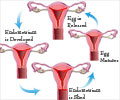
Menstrual Cycle - Phases, Mechanism, Causes, Prevention and Myths
Menstrual cycle occurs every month during a woman’s reproductive age. Tracking menstrual cycle helps understand ovulation time and irregularities.
Menstrual cycle occurs every month during a woman’s reproductive age. Tracking menstrual cycle helps understand ovulation time and irregularities.
"This difference may have cultural roots because gender has been shown to influence self-efficacy, particularly for physical activity," says Dr. Sood. "Our study shows that self-efficacy is domain-dependent and can't be generalized as a gender-specific trait. But understanding gender differences among working adults can help optimize employee wellness services."
Despite the availability of employee wellness centers across the country, the services typically are underused, according to the study. Incorporating gender-specific elements in the design and programming of wellness centers can improve their use, enhance wellness and indirectly reduce health care costs.
Source-Eurekalert
 Email
Email