MEDINDIA
 English
 हिन्दी
 Español
 français
 中文
中文
New study discovers the key mechanisms underlying early life stress and irritable bowel syndrome (IBS).
How Does The Body React To Stress
Physical symptoms of stress on the body are varied, ranging from hormonal changes to changes in the nervous system, manifesting as the flight-fight-freeze response.
Physical symptoms of stress on the body are varied, ranging from hormonal changes to changes in the nervous system, manifesting as the flight-fight-freeze response.
TOP INSIGHT

Abnormal rise of a soluble protein called Nerve Growth Factor (NGF) is a key factor linking early life stress to the development of irritable bowel syndrome (IBS).
Read More..
The HKBU research team, which was led by SCM Chair Professor Bian Zhaoxiang and Research Assistant Professor Dr Xavier Wong Hoi-leong, found that Nerve Growth Factor (NGF), a neurotrophic factor essential for neuronal development in the nervous system, was highly elevated in the gut of mice in response to early-life stress induced by neonatal maternal separation (NMS). This elicited IBS-like-symptoms in the animal model.
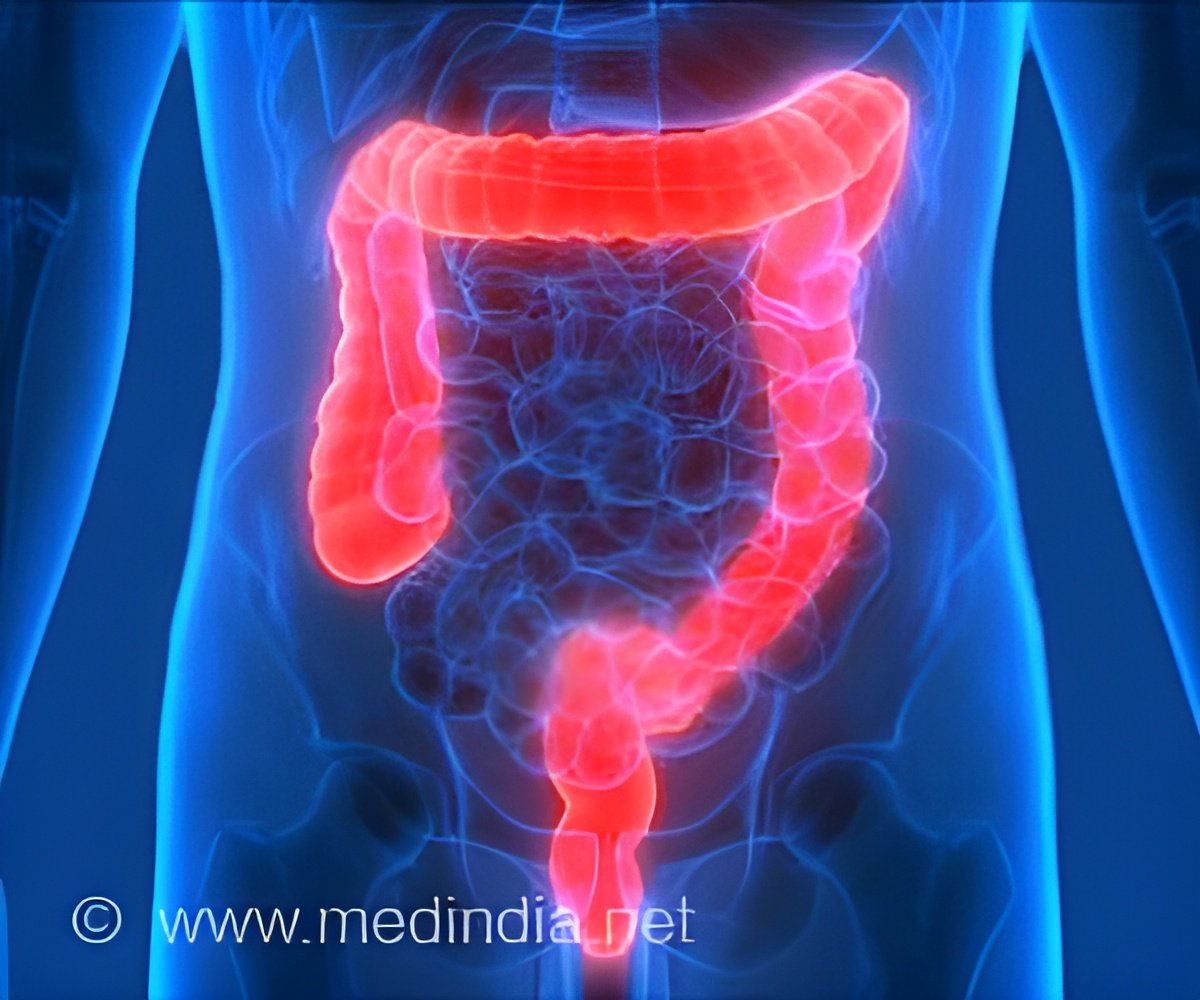
Regarding the mechanism, NGF acts on intestinal stem cells (ISCs) directly to promote their growth and proliferation. The significantly increased number of ISCs in the gut leads to abnormally high numbers of enterochromaffin (EC) cells, a type of intestinal cell responsible for serotonin secretion, which results in aberrantly high serotonin levels. Aberrant serotonin production in the gut is known to cause IBS.
Irritable Bowel Syndrome – Causes, Diagnosis, Treatment
Irritable bowel syndrome (IBS) causes recurrent abdominal pain or discomfort and a fluctuating disturbance in defecation. IBS is not life threatening.
Irritable bowel syndrome (IBS) causes recurrent abdominal pain or discomfort and a fluctuating disturbance in defecation. IBS is not life threatening.
To inhibit the activity of NGF, the team administered a specific NGF-blocking antibody into the animal model. This did not only reduce ISCs and EC cell numbers, but also caused the IBS-like symptoms to completely disappear in the animal model.

Techniques for Stress Relief
Stress is a part of everyday lives. It can be beneficial to an extent, but when it disrupts the equilibrium in which our nervous system is capable of performing better, it becomes troublesome.
Stress is a part of everyday lives. It can be beneficial to an extent, but when it disrupts the equilibrium in which our nervous system is capable of performing better, it becomes troublesome.
The research team concluded that NGF is a key driver of the development of IBS following early-life stress. Their work not only highlights the importance of NGF as a novel target in treating IBS, but also demonstrates that early-life adversity, such as a lack of parental care or abuse, may have serious lifelong health consequences. Their findings, entitled "Early life stress disrupts intestinal homeostasis via NGF-TrkA signaling", was published in the prestigious international journal Nature Communications.

Hobbies that Help You Deal with Stress
Stress is a part of everyone's routine life, but too much stress can take a toll on your body and mind. Choosing a hobby may help you relax and improve your mental health.
Stress is a part of everyone's routine life, but too much stress can take a toll on your body and mind. Choosing a hobby may help you relax and improve your mental health.
Source-Eurekalert
 Email
Email