MEDINDIA
 English
 हिन्दी
 Español
 français
 中文
中文
There is very little information about how the mutant Huntingtin gene contributes to cognitive and psychiatric symptoms of Huntington's disease.
Huntington's Disease | Huntington's Chorea - Causes, Symptoms, Diagnosis, Treatment
Huntington’s disease is a genetic degenerative disorder that affects the brain and causes psychiatric, motor and cognitive dysfunction. Learn about causes, symptoms and treatment
Huntington’s disease is a genetic degenerative disorder that affects the brain and causes psychiatric, motor and cognitive dysfunction. Learn about causes, symptoms and treatment
TOP INSIGHT

Abnormal DISC1 activity has been linked to the neuropsychiatric symptoms associated with Huntington's disease.
In a study published this week in the JCI, they used a mouse model that expresses the human HTT mutation (HD mice) and found that mutant HTT protein and DISC1 associate with each other to form a protein complex. DISC1’s involvement in this complex compromises its other functions, leading to disruptions in downstream pathways.
The researchers then developed a modified version of DISC1 that was unable to interact with the mutant HTT protein. Expression of the modified DISC1 normalized the activity of downstream pathways, which was associated with improvements in cognitive symptoms in the HD mice.

New Method Found That Slows the Progression of Huntington's Disease
Human glia transplanted into mice with the Huntington's disease mutation appeared to keep neurons healthier and extended the animals survival.
Human glia transplanted into mice with the Huntington's disease mutation appeared to keep neurons healthier and extended the animals survival.
Source-Eurekalert

Drug Deutetrabenazine Helps Control Sudden Movements of Huntington Disease
To control a prominent symptom of Huntington disease, chorea, researchers evaluated the efficacy and safety of the drug deutetrabenazine.
To control a prominent symptom of Huntington disease, chorea, researchers evaluated the efficacy and safety of the drug deutetrabenazine.
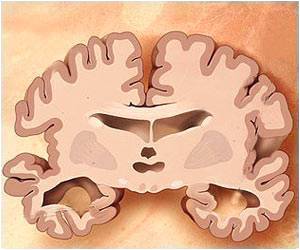
Failure to Destroy Toxic Protein Contributes to Huntington's Disease
Names forever linked to what they represent: Alzheimer's, Huntington's, Parkinson's: diseases that ravage the brain's neurons and leave entire regions to wither and die.
Names forever linked to what they represent: Alzheimer's, Huntington's, Parkinson's: diseases that ravage the brain's neurons and leave entire regions to wither and die.
 Email
Email