MEDINDIA
 English
 हिन्दी
 Español
 français
 中文
中文
Pregnant women from Sub-Saharan Africa with human immunodeficiency virus (HIV) and malaria have a higher prevalence of anemia than pregnant women without infections, finds a new study.
Malaria - Causes, Symptoms, Diagnosis, Prevention, Treatment
Malaria is caused by a parasite that enters blood through the bite of an infected mosquito. It is characterized by fever, vomiting, shivering, sweating and other symptoms.
Malaria is caused by a parasite that enters blood through the bite of an infected mosquito. It is characterized by fever, vomiting, shivering, sweating and other symptoms.
TOP INSIGHT

Anemia is a condition where the body lacks enough healthy red blood cells to carry sufficient oxygen to body tissue, resulting in fatigue. Diseases such as HIV and malaria can destroy red blood cells and cause a person to become anemic.
Read More..
The researchers analyzed demographic and health surveys from 2012 and 2017 across seven countries in sub-Saharan Africa and examined blood samples from 947 pregnant women, ages 15 to 49 years old. Their results show that malaria was associated with an increased prevalence of anemia during pregnancy. The prevalence of anemia was higher in pregnant women with malaria and HIV coinfections (60%) than in pregnant women without infections (45%).
“Multipronged strategies to prevent and treat malaria and HIV in pregnant women are critical to ensure the survival of mothers and their unborn babies.”
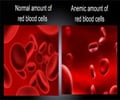
Anemia | Low Hemoglobin (Haemoglobin) Causes Symptoms Diagnosis Treatment FAQs
Anemia is a condition in which the red blood cell (RBC) count or hemoglobin is less than normal.
Anemia is a condition in which the red blood cell (RBC) count or hemoglobin is less than normal.
According to the researchers, preventative strategies for anemia in pregnancy due to malaria and HIV include the use of trimethoprim-sulfamethoxazole (co-trimoxazole), a prophylactic malaria treatment, in addition to antiretroviral therapy, which both lowers the odds of coinfection. In addition, vector control using insecticide-treated bed nets and residual spraying is effective. Although intermittent preventive treatment with sulfadoxine/pyrimethamine has been shown to be effective in parts of Africa, intermittent preventive treatment should be avoided in pregnant women, who are on antiretroviral therapy and co-trimoxazole prophylaxis, because of the risk of adverse drug reactions.
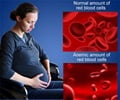
Anemia in Pregnancy - Causes Prevention Symptoms Diagnosis Treatment
Anemia is the commonest blood disorder that may occur in pregnancy and is usually due to low iron or folate reserves of the body and this is reflected as anemia.
Anemia is the commonest blood disorder that may occur in pregnancy and is usually due to low iron or folate reserves of the body and this is reflected as anemia.

Smartphone App Capable of Accurately Diagnosing Anemia
A smartphone app has been developed that can diagnose anemia without the need for bleeding. The app measures the hemoglobin levels based on images taken by the smartphone of the fingernail beds of a person.
A smartphone app has been developed that can diagnose anemia without the need for bleeding. The app measures the hemoglobin levels based on images taken by the smartphone of the fingernail beds of a person.
 Email
Email