MEDINDIA
 English
 हिन्दी
 Español
 français
 中文
中文
With rising life expectancy, increasingly sedentary lifestyles and surge in incidence of obesity, India is witnessing a resultant rise in orthopedic problems.
Pediatric Orthopedic Surgeon Offers Tips on Preventing School Sports Injuries
Every sport has its own inherent risks, but one competitive sport - cheerleading - often is overlooked.
Every sport has its own inherent risks, but one competitive sport - cheerleading - often is overlooked.
TOP INSIGHT

Knee pain is the most common form of joint pain experienced by people, followed by shoulder and hip pain. However, joint pain can affect any part of your body, from your ankles and feet to your shoulders and hands.
The other risks of developing osteoarthritis (wearing out of joints) include ageing, obesity, family history of osteoarthritis, misaligned bones & having any other type of arthritis." "Our Indian lifestyle, especially ground sitting habits, and use of Indian toilet further exacerbate any existing knee pain. As of today there is no reliable way to regenerate the lining cartilage of the knee. Therefore, prevention strategies have to adequately underlined while also raising awareness about the availability of joint replacement as a viable option," he added. People who have appropriate body weight and those who are active with flexible joints and strong bones have the best chance of avoiding joint pains. The ageing process cannot be stopped but it can definitely be slowed.
And the answer is by maintaining a good level of muscle strength so that they can match up with your activity level. Orthopedic patients suffer from two consequences - pain in the joints and reduced mobility and restricted movement. This makes it difficult for them to perform their daily normal tasks including walking, working in the kitchen, performing the other household chores. "People with joint pain need to follow a strict daily routine to keep their condition under control and minimize pain and discomfort.
Fitness Devices Improves Clinical Outcomes of Orthopedic Patients
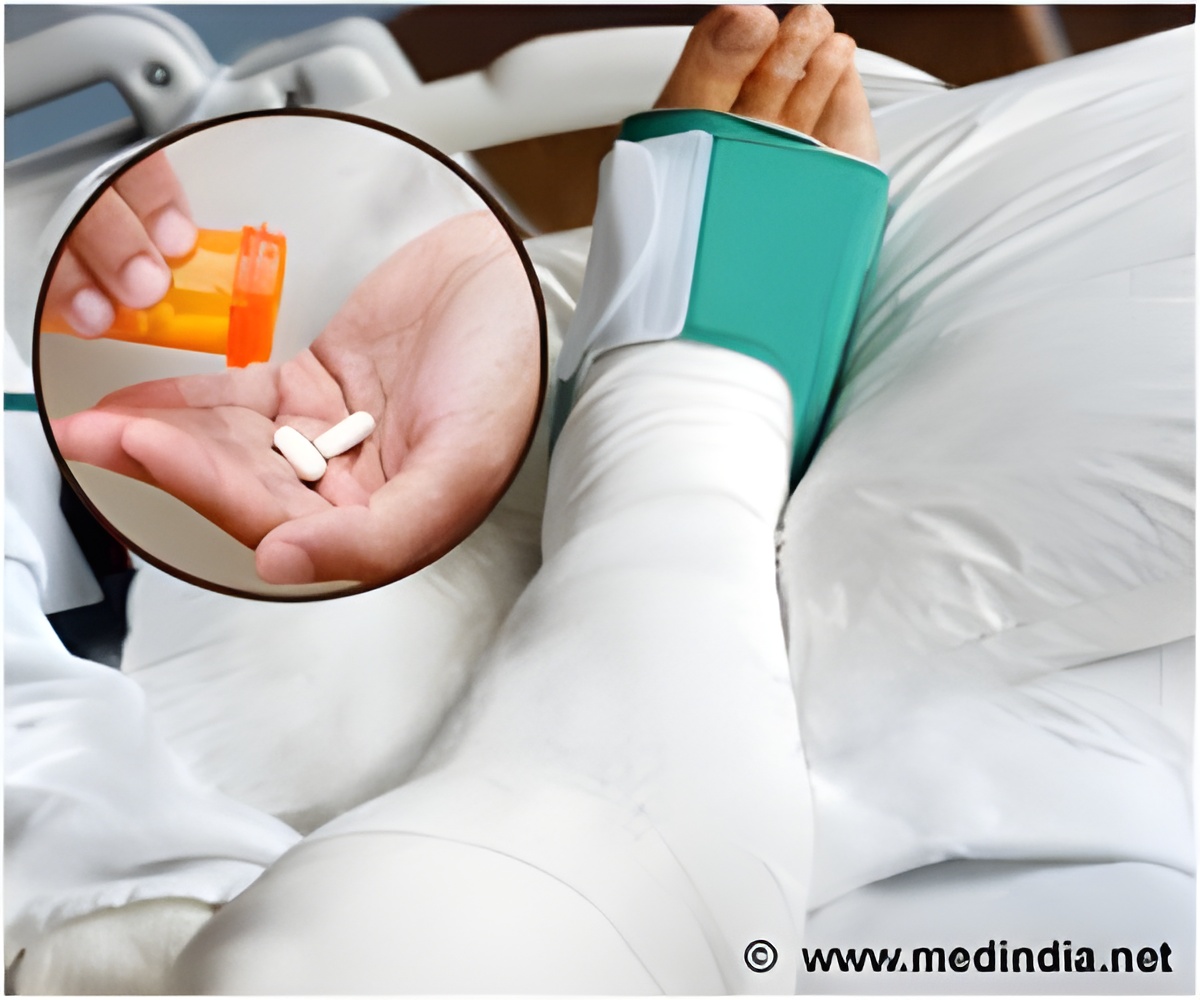
Digital fitness devices help orthopaedic patients monitor their activity levels, medication use, weight, sleep patterns, rehabilitation progress, and other personal health data, ultimately
Digital fitness devices help orthopaedic patients monitor their activity levels, medication use, weight, sleep patterns, rehabilitation progress, and other personal health data, ultimately
If you have been experiencing long term joint pain, lasting more than few days, visiting an orthopedist in time will prove to be beneficial. Depending on your condition, your doctor will make a treatment plan, which will include medications, exercise, physical therapy and a few steps in lifestyle modification. In some cases he may recommend either keyhole surgery or even joint replacement. The clinic adopted a comprehensive approach to help patients dealing with joint pain with investigations such as BMD and BMI conducted for the visitors to gauge the potential cause of their condition.
Electronic Drilling System Keeps Orthopedic Procedures on Target
Orthopedic procedures require accurate positioning of a thin metallic wire to guide the positioning of a fixating screw, often the surgical procedure is hampered.
Orthopedic procedures require accurate positioning of a thin metallic wire to guide the positioning of a fixating screw, often the surgical procedure is hampered.

Over 500 Orthopedics Discuss Tackling Foot and Ankle Injuries in India
Over 500 orthopedics participated in a conference in New Delhi aimed at improving medical treatment for ankle and foot injuries in India.
Over 500 orthopedics participated in a conference in New Delhi aimed at improving medical treatment for ankle and foot injuries in India.
 Email
Email