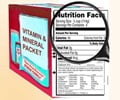
Children with food allergies are seen ten months sooner and have fewer allergic reactions when treated by a paediatrician in their own community, reports a new study.


Children Food Allergies – Peanut Allergy – Egg Allergy - Milk Allergy
If you are allergic to certain food items-Watch out for what you eat
If you are allergic to certain food items-Watch out for what you eat
‘As rates of food allergy rise, specialist allergy services are valiantly struggling to manage demand, but waiting times to access these services are long.’
Read More..




The trial resulted in faster assessment times, was more acceptable to families, and delivered a similar quality of allergy care to specialist hospital-based clinics. Read More..
Based on these results, the trial team is calling for investment in a larger program to train community pediatricians, especially in regions where there are no child allergy specialists.
Lead author, MCRI's Professor Harriet Hiscock, said 63 percent of those seen by a pediatrician in the community were treated without needing an allergist referral, freeing up valuable hospital resources.

How to Select Over-the-Counter (OTC) Drugs for Allergy
Over-the-counter (OTC) drugs can be bought without a prescription. OTC allergy medications are for the allergy sufferer to choose the right over-the-counter drugs.
Over-the-counter (OTC) drugs can be bought without a prescription. OTC allergy medications are for the allergy sufferer to choose the right over-the-counter drugs.
"In many regions around Australia, allergy care is primarily delivered by allergists, due to limited allergy training opportunities for general pediatricians and primary care physicians."
Advertisement

Monosodium Glutamate (MSG) Allergy
Monosodium glutamate or MSG is used to enhance flavor especially in Chinese cuisine. Individuals allergic to MSG experience headache and nausea.
Monosodium glutamate or MSG is used to enhance flavor especially in Chinese cuisine. Individuals allergic to MSG experience headache and nausea.
Professor Hiscock said the study, which involved children aged 0-12 years, was the first to evaluate this community-based approach. A key component of the program is providing specialized allergy training to general pediatricians.
Advertisement

Soy Allergy - Symptoms Diagnosis Diet Recipes
What exactly in soybean causes the allergenic reactions? Is soy lecithin responsible for allergic reactions too? Get the answers here.
What exactly in soybean causes the allergenic reactions? Is soy lecithin responsible for allergic reactions too? Get the answers here.
Time to assessment was also shorter, 2.4 months for a community pediatrician compared to 12 months for a hospital allergist.
Professor Hiscock said children in the community group reported fewer reactions to food, and families were more satisfied with the overall process.
Researchers from the Royal Children's Hospital, the University of Melbourne and Montreal Children's Hospital also contributed to the findings.
Source-Eurekalert