MEDINDIA
 English
 हिन्दी
 Español
 français
 中文
中文
Dark side of shaman drink: Drinking ayahuasca, a psychoactive brewed drink used during rituals in countries in the Amazon can cause adverse physical and psychological effects.

What is Ayahuasca
Ayahuasca is a South American psychoactive brewed drink used in traditional medicine and ceremony. Its contemporary use has been expanding throughout the world for mental health purposes and for spiritual and personal growth. Although clinical trials and observational studies have examined the potential benefits of ayahuasca, few have analyzed its adverse effects.Adverse Effects of Ayahuasca
In the new study, the researchers used data from an online global Ayahuasca survey carried out between 2017 and 2019, involving 10,836 people from more than 50 countries who were at least 18 years old and had used ayahuasca at least once. Information on participants’ age, physical and mental health and history and context of ayahuasca use was collected.
South American Plant-Based Drink can Reduce Depression in Patients Within Hours
Ayahuasca, a sacramental drink traditionally brewed from the bark of a jungle vine and the leaves of a shrub in South America can treat depression within hours.
Ayahuasca, a sacramental drink traditionally brewed from the bark of a jungle vine and the leaves of a shrub in South America can treat depression within hours.
TOP INSIGHT

Ayahuasca, an herbal drink derived from Amazon plants, more likely to cause physical (vomiting and nausea) and mental health effects (anxiety disorder).
Read More..
Among all participants, 55% also reported adverse mental health effects, including hearing or seeing things (28.5%), feeling disconnected or alone (21.0%), and having nightmares or disturbing thoughts (19.2%). However, of all respondents identifying these mental health effects, 87.6% believed they were completely or somewhat part of a positive growth process.
The researchers also identified several factors that predispose people to the adverse physical events, including older age, having a physical health condition or substance use disorder, lifetime ayahuasca use and taking ayahuasca in a non-supervised context.
Reasons to Choose Herbal Tea over Black Tea | Herbal Tea vs Black Tea
Love your black tea too much? We give you many reasons to switch it for herbal tea. Read on to know more…
Love your black tea too much? We give you many reasons to switch it for herbal tea. Read on to know more…
The authors add: “Many are turning to ayahuasca due to disenchantment with conventional Western mental health treatments, however the disruptive power of this traditional medicine should not be underestimated, commonly resulting in mental health or emotional challenges during assimilation. While these are usually transitory and seen as part of a beneficial growth process, risks are greater for vulnerable individuals or when used in unsupportive contexts.”
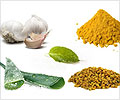
Herbs That Heal - 5 Power Packed Wonder Herbs
Herbal medicine is now gaining commendable exposure and acceptance today. Read on to discover 5 herbs that can make amazing changes to your health.
Herbal medicine is now gaining commendable exposure and acceptance today. Read on to discover 5 herbs that can make amazing changes to your health.
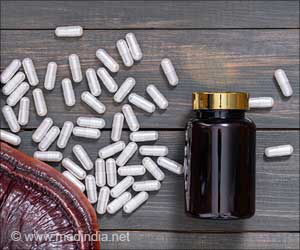
Chinese Medicine Herbal Extract Inhibits COVID-19 Infection
SARS-CoV-2 infection can be inhibited by Ganoderma lucidum. It inhibits the hACE2 receptor’s ability to connect with spike protein.
SARS-CoV-2 infection can be inhibited by Ganoderma lucidum. It inhibits the hACE2 receptor’s ability to connect with spike protein.
 Email
Email