MEDINDIA
 English
 हिन्दी
 Español
 français
 中文
中文
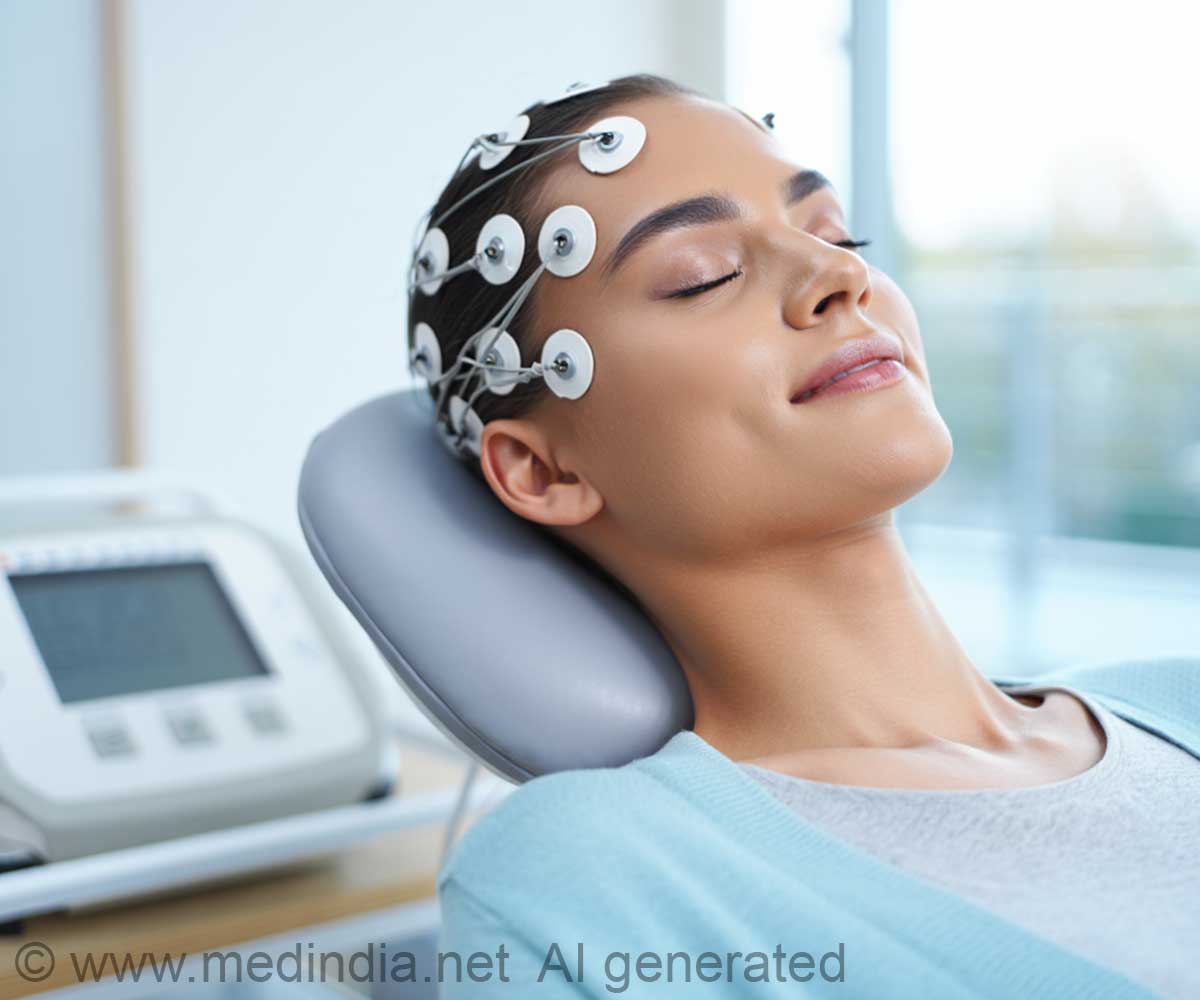
High-definition transcranial direct current stimulation (HD-tDCS) is a non-invasive brain therapy using targeted electrical currents.
Personalized High-Definition Transcranial Direct Current Stimulation for the Treatment of Depression
Go to source).
Noninvasive Brain Stimulation Effective for Depression
The study, published in JAMA Network Open, examined the effectiveness of a noninvasive brain stimulation treatment known as high-definition transcranial direct current stimulation (HD-tDCS) in treating depression.
Clinical Depression
Clinical Depression is a serious medical condition that affects majority of people at some point in their lives. Symptoms of clinical depression include sleep disorder, loss of appetite.
Clinical Depression is a serious medical condition that affects majority of people at some point in their lives. Symptoms of clinical depression include sleep disorder, loss of appetite.
TOP INSIGHT

Exciting news for #mentalhealth! High-definition transcranial direct current stimulation (HD-tDCS) has shown promising results in a new study, proving beneficial for treating #depression. #HDtDCS
For depression, the treatment is used to target brain networks that regulate emotional processing and self-referential thoughts. TDCS has not been approved by the U.S. Food and Drug Administration as a treatment for depression, and clinical research into various forms of tDCS is ongoing.
HD-tDCS is a newer form of tDCS that works to create a more precise, focused and personalized delivery of the treatment using a combination of smaller electrodes and neuroimaging to determine the optimal brain target. The current study focuses on investigating mood improvements associated with HD-tDCS therapy and builds on prior work that confirmed dose-delivery and modulation of depression-relevant brain networks by HD-tDCS.

Quiz on Postpartum Depression
Have you ever felt like the joy of childbirth was overshadowed by a wave of sadness, exhaustion, and anxiety? Postpartum depression (PPD) is a surprisingly common experience that affects many new mothers, leaving them feeling ...
Have you ever felt like the joy of childbirth was overshadowed by a wave of sadness, exhaustion, and anxiety? Postpartum depression (PPD) is a surprisingly common experience that affects many new mothers, leaving them feeling ...
New Brain Stimulation Method Shows Faster and More Sustained Mood Improvements
Participants who received HD-tDCS treatment reported significant improvements to mood scores compared to those who underwent sham treatment. These improvements were shown to be more effective, sustained and faster – with significant mood improvements shown after six days of treatment – compared to results shown in comparable studies of conventional tDCS on depression, as well as other treatment options such as psychotherapy and medications. Mood improvements were also maintained during the 2-week and four-week assessments following treatment.
Depression Calculator
A quick, simple and anonymous self-assessment health tool to assess the level of depression using the famous Zung Self-Rating Depression Scale.
A quick, simple and anonymous self-assessment health tool to assess the level of depression using the famous Zung Self-Rating Depression Scale.
“Overall, the HD-tDCS therapy was effective and well-tolerated, with only mild to no side-effects observed in the study. Coupled with tDCS’s potential for convenient at-home use, this approach may offer a new treatment option for those seeking alternatives to medication or talk therapy,” said the study’s Principal Investigator Dr. Katherine Narr, professor of neurology at UCLA Health and faculty member of the ALBMC.

Foods to Beat Depression
Depression can be a severe mental health problem that can lead to other health issues. Find top foods that can help fight depression.
Depression can be a severe mental health problem that can lead to other health issues. Find top foods that can help fight depression.
- Personalized High-Definition Transcranial Direct Current Stimulation for the Treatment of Depression - (https://jamanetwork.com/journals/jamanetworkopen/fullarticle/2838763)
Source-Eurekalert
 Email
Email